Which Brass Terminal Connector Is Best in 2026?
Choosing the best Brass Terminal Connector in 2026 depends on where it will work, not just its price or appearance. A compact connector may suit a control panel, while a heavier lug may better fit a battery cable or demanding equipment. Fit matters. The wire gauge, rated current, operating temperature, and mounting space should all match the application. Brass offers useful electrical conductivity and machinability, but its performance can vary with alloy, finish, and exposure to moisture or corrosive conditions. A shiny surface alone proves very little.
This guide compares connector types through practical checks: material and plating details, terminal dimensions, wire compatibility, installation method, and the manufacturer’s published ratings. Look for clear product data and instructions, then confirm that the connector suits the complete electrical system. A well-made part can still fail when crimped with the wrong tool or tightened improperly. Small details count. There is no universal winner, and a connector described as “heavy duty” may not be the right choice for every setup. Even careful comparisons have limits: product specifications do not replace qualified inspection or application-specific testing. The sections ahead explain what to compare, which trade-offs deserve attention, and how to narrow the options without treating a low price or bold claim as proof of quality.
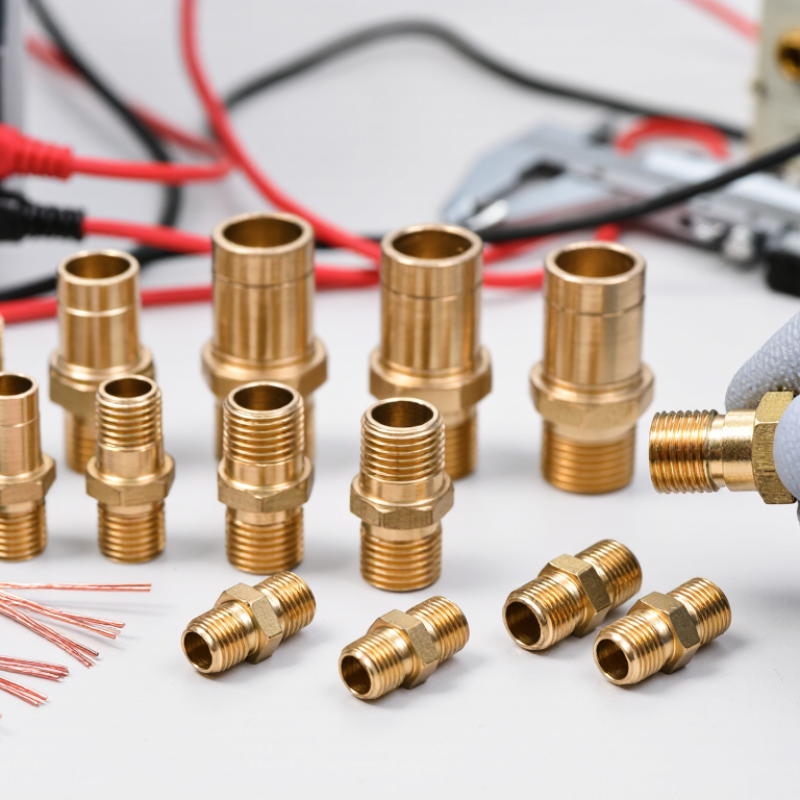
What Is a Brass Terminal Connector?
A brass terminal connector is a metal fitting that joins an electrical wire to a device, cable, or another conductor. Brass is a copper-zinc alloy, commonly shaped into screw terminals, clamps, or crimp barrels. The connection must hold the wire firmly while maintaining a reliable path for current. Small details matter: a loose screw can let a wire shift, while an oversized opening may leave thin strands exposed.
That sounds simple. It isn’t.
Material data helps explain the trade-offs. The Copper Development Association lists C26000 cartridge brass at about 28% IACS electrical conductivity, well below pure copper. Brass can still suit terminals where strength, machinability, and corrosion resistance matter, but the alloy and connector design affect performance. A terminal’s rating should match the wire material, size, current, and operating temperature. UL 486A-486B provides recognized requirements and test methods for wire connectors; check the applicable product documentation rather than assuming every brass fitting is covered.
In 2026, “best” depends on the actual connection. A screw terminal may be practical for a solid conductor, while a crimp style needs the correct tool and barrel size. Look for clear wire-size and torque specifications, plus plating details if the terminal will face moisture. One caution: brass is not automatically the safest choice for every environment. I’d verify the application data twice; catalog descriptions can make dissimilar products sound alike.
How Brass Terminal Connectors Are Made and Classified
Which Brass Terminal Connector Is Best in 2026?
How Brass Terminal Connectors Are Made and Classified
Brass terminal connectors usually begin as alloy strip, rod, or bar. Manufacturers choose the material according to conductivity, strength, and forming needs. Stamping creates repeatable shapes from strip, while machining suits thicker parts or smaller production runs. The connector is then formed, trimmed, and deburred. That last step matters: a sharp edge can damage insulation or complicate assembly. Some parts receive tin or nickel plating to support corrosion resistance or improve surface performance. Plating does not fix poor dimensions, though. Reliable production also checks contact surfaces, hole sizes, and fit.
Connectors are commonly classified by shape and attachment method. Ring terminals fit around a stud, while fork terminals can be removed without fully loosening a fastener. Pin and blade styles suit different terminal blocks and equipment layouts. Other useful distinctions include wire size, mounting dimensions, plating, and rated current. A connector should match the conductor and the equipment specification; appearance alone tells little. Bright brass is not automatically better. Even experienced buyers can overlook the crimp barrel’s fit.
Tips: Check wire-size markings and required crimp tooling before choosing. Inspect the barrel for burrs, and confirm the connector seats flat against its terminal. If the application is exposed to moisture or vibration, verify suitability with the equipment maker’s documentation. A quick visual check helps, but it cannot replace the correct specification.
Which Brass Terminal Connector Is Best in 2026?
Typical electrical conductivity of common connector materials, expressed as a percentage of the International Annealed Copper Standard (IACS).
Brass terminals are commonly stamped or machined, then formed with features for screw, crimp, or other connections. Among the brass grades shown, C26000 offers slightly higher typical conductivity; the best choice still depends on the connector’s rated current, mechanical requirements, corrosion exposure, and applicable standards. Values are approximate and can vary with composition and condition.
How to Compare Brass Connectors for Different Applications
A brass terminal connector is not automatically the best choice because its suitability depends on the job. Start with the wire size and expected current. The connector must match the conductor securely without crushing strands or leaving movement at the joint. Check the manufacturer’s rated wire range, current capacity, and temperature limits. Small details matter.
For equipment exposed to vibration, a properly crimped connector may hold more consistently than a screw terminal, provided the crimp tool matches the connector. For panels that need occasional servicing, a screw connection can be easier to inspect and retighten. That convenience has a trade-off: loose screws can increase resistance and heat. Feel for fit, but do not rely on feel alone. Confirm the specified installation method.
The surroundings change the comparison. In a dry indoor cabinet, standard brass may perform well; damp or salty conditions call for closer review of plating, sealing, and corrosion data. Brass can tarnish, and “corrosion resistant” does not mean immune to every environment. Compare contact resistance, mechanical strength, and documented test conditions—not just price or appearance. I would still question any choice made from a catalog photo alone. Check the datasheet against the actual cable, load, and operating conditions before installation.
Which Brass Terminal Connector Type Fits Each Use in 2026?
Which Brass Terminal Connector Is Best in 2026?
The best brass terminal connector depends on conductor type, current rating, vibration, and how often you need to disconnect it. For a fixed panel, a screw-clamp terminal block offers a firm, inspectable connection. Ring terminals suit bolted joints exposed to movement; spade terminals allow faster servicing. For stranded wire, use a correctly sized crimp terminal and the specified crimping tool. Fit matters.
Material data matters, but it does not set the connector’s safe current by itself. The Copper Development Association lists C26000 brass at about 28% IACS electrical conductivity at 20°C. That is a useful comparison point, not a rating for a finished connector. Check the manufacturer’s stated current, wire-size, and temperature limits. IEC 60947-7-1 covers terminal blocks for copper conductors, making it a relevant reference when choosing fixed-panel terminals. I would not select by appearance alone; a shiny connector can still be a poor fit.
Tips: Match the terminal to the wire gauge and stud size. Tighten to the specified torque, then check that no strands are loose. In a vibrating enclosure, favor a secure bolted or locking connection and inspect it periodically. A little extra care helps.