


10 Best Bronzing Machine Manufacturers for Global Buyers

Foil-stamped details can turn an ordinary carton into a more tactile, premium-looking package. Yet a sharp finish depends on more than foil and pressure. Machine stability, temperature control, registration accuracy, and service access all matter on a real production line.

The opportunity sits within a growing packaging market. Smithers’ industry report, The Future of Global Packaging to 2028, projects that global packaging demand will approach $1.3 trillion by 2028. This is useful context, not proof that bronzing equipment sales will rise at the same rate. Packaging formats, local production needs, and investment cycles vary. That distinction matters.

For buyers comparing Bronzing Machine Manufacturers, this guide looks beyond headline speed and quoted prices. It considers machine format, supported sheet sizes, automation, changeover requirements, operator training, spare-parts availability, and documented quality controls. Ask for sample runs using your own stock and foil. Inspect fine lines, small type, and coverage across a full sheet. A polished brochure is not a factory acceptance test.

The best fit depends on the job. A compact shop may value quick setup; a high-volume plant may prioritize uptime and repeatability. Neither choice is automatically better. This comparison introduces ten manufacturers for global buyers and highlights practical questions to ask before requesting a quotation. Some supplier details may change, so verify specifications and service coverage directly. That step is easy to overlook.
10 Best Bronzing Machine Manufacturers for Global Buyers

Bronzing Machines: Definition, Core Components, and Industrial Uses

Bronzing machines add a metallic finish to printed or shaped surfaces. Depending on the process, they apply bronzing powder or transfer foil using heat and pressure. The term can vary between suppliers, so buyers should confirm the exact method. That detail matters.

Common components include a material feeder, a heated or pressure-controlled application unit, a conveyor, and an operator panel. Some systems also use brushes or collection equipment to manage excess powder. Temperature, pressure, and feed speed affect finish quality. A small setting change can leave dull patches or uneven edges. These machines serve packaging, labels, book covers, and decorative print production, where gold-like accents can make fine details stand out.

Tips: Test the intended substrate before ordering. Ask for sample runs using your actual material, artwork, and production speed. Check cleaning access and replacement-part availability, too. A machine may look suitable on paper, yet prove awkward to maintain during a busy shift.


Common Bronzing Machine Types and Their Production Applications

Bronzing machines apply metallic foil to paper, board, or other compatible surfaces using heat, pressure, and a prepared die. Flatbed machines suit cartons, book covers, and invitation cards, where larger panels or varied layouts need careful positioning. Operators can adjust pressure and temperature for different materials. Too much heat may dull fine details.

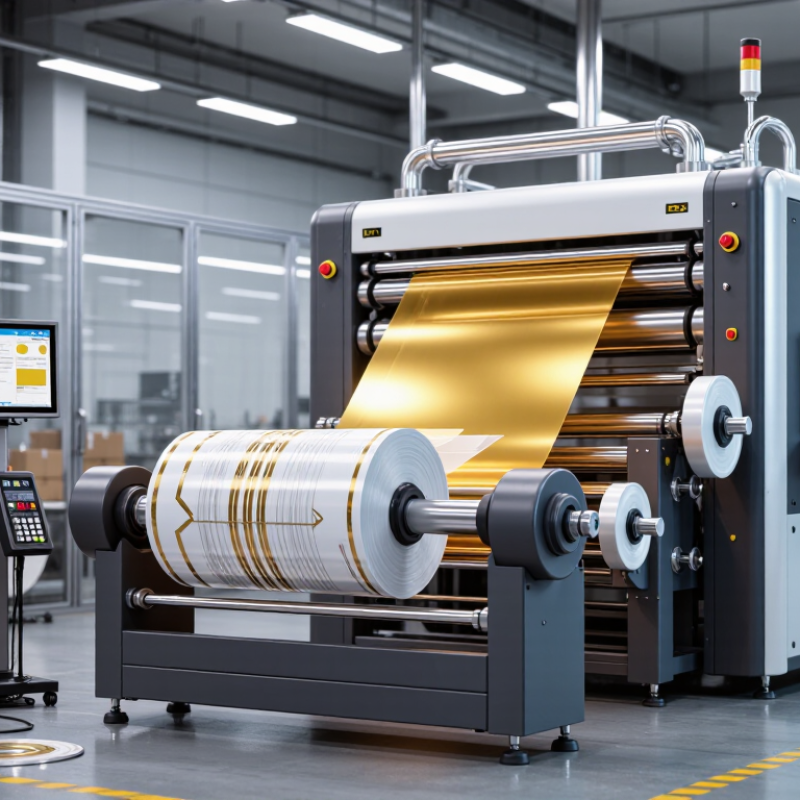
Rotary Bronzing Machines feed continuous rolls through rotating cylinders, making them useful for labels and packaging runs. Their steady movement supports higher output, but foil tension and print registration need close control.Registration matters. A small shift can leave a metallic edge visibly misaligned, especially on narrow labels.

Semi-automatic and automatic machines handle different production scales. Semi-automatic models often fit workshops that change jobs frequently; automatic lines can reduce repetitive handling in longer runs. Digital foil systems may suit short-run work with variable designs, though material and finish options can be narrower. That trade-off is easy to overlook. Buyers should compare sample results on their actual stock, not rely only on speed figures or machine specifications. Temperature readings help, but they do not replace a practical test.

Key Criteria for Evaluating Bronzing Machine Manufacturers

When evaluating bronzing machine manufacturers, match the machine to your actual work. A unit handling small cosmetic cartons may not suit long packaging runs. Check the maximum sheet size, stamping area, pressure range, and supported materials. Ask how temperature is controlled across the platen. Uneven heat can leave dull patches or foil breaks. Small details matter.

Request a live trial using your own stock, foil, and artwork. Watch the operator adjust registration and replace a die. Record setup time, waste sheets, and finished output, not just the advertised speed. Ask for test samples under different settings. A polished demonstration is useful, but it is not production evidence. Get maintenance intervals, spare-part availability, and response times in writing. Service promises can sound reassuring; practical details are better.

Review the manufacturer’s quality records and installation process. Confirm that manuals, training, and electrical specifications fit your facility. Speak with buyers running similar materials and workloads, if possible. Compare total operating costs, including tooling, energy, and routine maintenance. The cheapest quote may conceal longer setup times or limited support. Even a careful trial has limits: one foil and one substrate cannot predict every future job. Keep that uncertainty in your purchasing notes.

10 Best Bronzing Machine Manufacturers for Global Buyers

Choosing among bronzing machine manufacturers starts with the work the machine must perform. Confirm the materials, sheet sizes, foil types, and daily output you actually need. Ask for operating ranges, pressure control, heating consistency, and registration accuracy. Request a live demonstration using a sample close to your own production stock. A clean test result on one paper may not predict performance on textured board. Small details matter.

For global buyers, evaluate support as carefully as machine specifications. Ask whether manuals, electrical diagrams, spare-part lists, and remote troubleshooting are available in a language your operators understand. Clarify installation requirements, operator training, warranty coverage, and typical lead times for wear parts. Compare energy use and maintenance access, not only purchase price. A polished brochure is not proof of reliable service. Ask for verifiable references and speak with users who run similar jobs. If possible, inspect a finished sample and observe a full production cycle. Some suppliers may not answer every question clearly; that is worth noting, even when the machine looks capable. Allow time for these checks before setting delivery dates.

ISO Sheet-Format Reference for Bronzing Machine Buyers

Sheet areas are calculated from ISO 216 nominal paper dimensions. Use these standard formats as a reference when comparing machine capacity; actual maximum sheet sizes vary by model.

Global Purchasing Factors: Compliance, Customization, and Support

For global buyers, compliance should be checked against the machine’s destination market, not assumed from a supplier’s general claims. Ask for current test reports, electrical specifications, operating manuals, and clear records of safety features such as guards and emergency stops. Requirements can differ by country. Verify details with your local compliance team before placing an order. A certificate alone may not answer whether the delivered configuration matches the tested model.

Customization matters when a bronzing machine must fit an existing production line. Share practical details: foil width, material size, expected output, available floor space, and power supply. Request drawings and confirm temperature controls, pressure adjustment, and operator interfaces before production. A small mismatch can cause delays. I have seen planning focus on headline speed while overlooking changeover time; that is an easy assumption to miss.

Support deserves the same scrutiny as specifications. Ask how quickly technical staff respond, which spare parts are stocked, and whether remote commissioning or operator training is available. Clarify warranty coverage in writing, including travel costs and consumables. If possible, request a sample service plan. It may look less polished than a brochure, but it can reveal how support works after installation. Some uncertainty remains until the machine runs with your actual materials, so plan a documented acceptance test.

10 Best Bronzing Machine Manufacturers for Global Buyers - Global Purchasing Factors: Compliance, Customization, and Support

This buyer-focused comparison covers ten practical supplier evaluation factors rather than ranking named manufacturers. Requirements vary by product type and destination market; verify applicable regulations and documentation for each order.

No. Purchasing Factor What to Verify Useful Evidence to Request Global Buyer Consideration
1 Product type and intended use Confirm whether the equipment is an ultraviolet tanning appliance, spray-tanning system, or another bronzing device. Check intended users, operating environment, and installation requirements. Product specification sheet, operating instructions, intended-use statement, and model-specific photographs or drawings. Different technologies have different safety, labeling, facility, and import requirements.
2 Electrical and product safety For applicable UV/IR skin-exposure appliances, check whether the supplier has assessed relevant requirements such as IEC 60335-1 and IEC 60335-2-27. Confirm that reports cover the exact model and configuration. Test reports from a competent laboratory, electrical ratings, protective-device details, and the product’s risk or safety documentation. Standards and acceptance routes differ by destination; a certificate or report should not be assumed valid in every market.
3 Market-specific regulatory compliance Identify applicable product, electrical, electromagnetic compatibility, chemical-substance, and labeling rules for the destination. For example, US sunlamp products may be subject to FDA requirements under 21 CFR 1040.20. Market-specific declaration, compliance matrix, test documentation, labels, and any required registration or listing details. Ask an importer or qualified compliance adviser to confirm current local obligations before shipment.
4 Customization and configuration control Agree on dimensions, voltage and frequency, plug type, controls, timer settings, materials, language, and optional features. Establish how design changes are reviewed. Approved drawings, bill of materials, configuration sheet, change-control procedure, and a signed pre-production specification. Custom electrical or optical configurations may require additional testing or updated compliance documents.
5 UV or application performance For UV equipment, request applicable measured output and exposure information, and check that operating instructions explain safe use. For spray systems, review delivery consistency and compatible consumables. Model-specific performance test results, calibration or measurement methods, maintenance instructions, and user guidance. Do not compare output claims unless measurement conditions and units are clearly stated.
6 Quality management and production consistency Review the supplier’s quality controls for incoming components, assembly, final inspection, traceability, and handling of nonconforming products. Quality-system certificate where applicable, inspection plan, sample inspection record, serial-number policy, and corrective-action process. Certificates support due diligence but do not replace product-specific inspection or testing.
7 Spare parts and serviceability Confirm availability of replaceable components, maintenance procedures, expected service arrangements, and whether repairs require specialist technicians. Parts list, maintenance schedule, warranty terms, service contacts, and written parts-availability policy. Estimate downtime and service costs as well as the initial purchase price.
8 Packaging, shipping, and installation Confirm packing method, shipment dimensions and weight, handling instructions, installation scope, and responsibility for customs and delivery arrangements. Packing specification, commercial invoice details, installation manual, shipment plan, and agreed Incoterms® rule. Clarify who handles import clearance, duties, insurance, unloading, and on-site commissioning.
9 Warranty and technical support Define warranty duration and coverage, response channels, troubleshooting process, language availability, and support across time zones. Written warranty, support escalation path, service-level commitments if offered, and training materials. Ensure warranty exclusions and cross-border repair costs are understood before purchase.
10 Supplier verification and commercial terms Verify the contracting entity, manufacturing or sourcing role, references, payment milestones, acceptance criteria, and dispute terms. Business registration details, factory or production audit where appropriate, reference checks, pro forma invoice, and signed purchase agreement. Use independent checks and clearly documented acceptance criteria, especially for first orders and customized equipment.

Kontaktbox-Frau

  • CNC-STEP – Quick contact