Best Chamfering Machines for Precision Manufacturing Needs?
In today’s competitive landscape, precision manufacturing relies heavily on advanced tools. Among these, the Chamfering Machine stands out. With its ability to efficiently create bevels and edge treatments, this machine serves various industries, including aerospace and automotive. Expert John Miller, a leading figure in chamfering technologies, states, “The right chamfering machine can elevate production quality immensely.”
Higher precision demands mean that selecting the best chamfering machine requires careful consideration. Beyond just speed and cost, one must evaluate the machine's accuracy and durability. Some machines promise efficiency but can fall short on performance over time, leading to potential waste and costly delays. This brings us to the importance of thorough research and expert guidance in making informed decisions.
Investing in a chamfering machine is not just about the initial purchase. It involves understanding long-term benefits, maintenance needs, and technology evolution. Consequently, manufacturers should pay close attention to reviews and industry benchmarks before making a choice. The right equipment could significantly enhance production quality, while poor choices may hinder operational success.
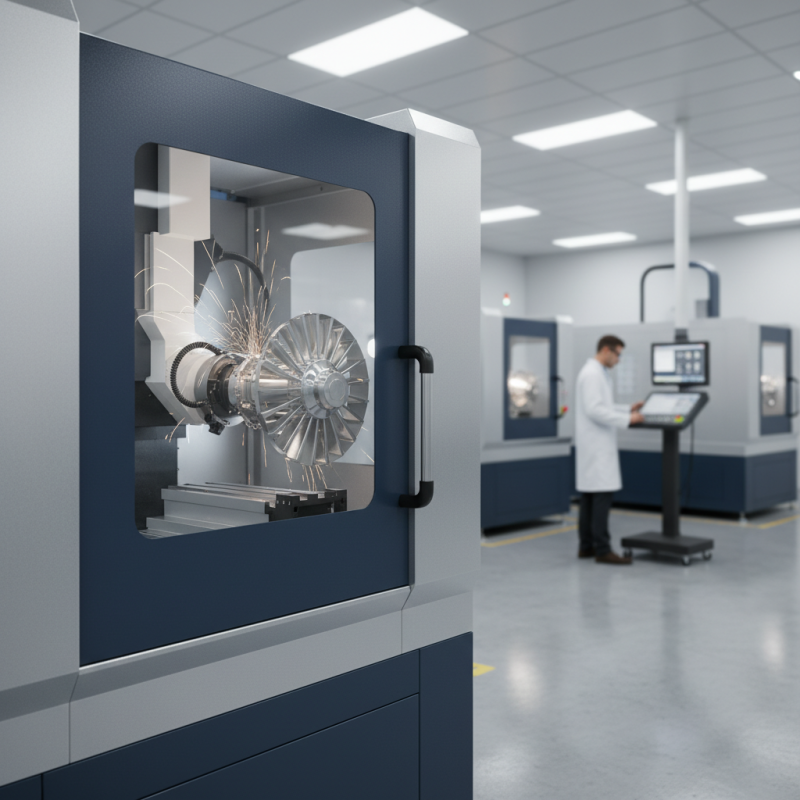
Overview of Chamfering Machines in Precision Manufacturing
Chamfering machines play a vital role in precision manufacturing. These machines create beveled edges on parts, enhancing both aesthetics and functionality. With precise angles, they prevent sharp edges that can cause injury or damage. This process is essential in various industries, including automotive, aerospace, and electronics.
Modern chamfering machines vary in design and complexity. Some are manual, while others are fully automated. The choice depends on production needs. Automated machines increase efficiency, allowing for higher output. However, manual machines can be more cost-effective for smaller operations. It's crucial to match the machine type with specific production goals.
Despite advancements, challenges persist. Some machines struggle with complex geometries. Operators must pay attention to setup and calibration. Errors in angles can lead to product rejections. Investing in training is necessary, as skilled operators enhance precision. Manufacturers should also consider maintenance. Regular checks keep machines in top condition and prevent costly downtime.
Key Features to Consider When Choosing a Chamfering Machine
When selecting a chamfering machine, it's essential to focus on key features that enhance precision and efficiency. First, consider the adjustable settings. This allows operators to customize the cutting angle and depth for different materials. Precision is critical in manufacturing, as even slight inaccuracies can lead to wasted materials and time.
Another important aspect is the machine's motor power. A more powerful motor can handle tougher materials and maintain consistent performance. Look for machines that offer variable speed functionality. This feature enables users to adapt the speed based on the specific task, enhancing control over the chamfering process.
Operator safety and ease of use should also be evaluated. Machines with clear safety protocols and user-friendly controls tend to reduce the risk of errors and accidents. Regular maintenance is crucial as well; machines that are easy to clean and service can save time and enhance longevity. Ultimately, these considerations will help you choose a machine that meets your manufacturing needs effectively.
Best Chamfering Machines for Precision Manufacturing Needs
Types of Chamfering Machines and Their Applications
Chamfering machines are essential in precision manufacturing. They prepare edges for assembly and enhance part functionality. There are three main types: manual, semi-automatic, and fully automatic machines. Each type serves different production needs.
Manual chamfering machines are cost-effective. They are ideal for small production runs or prototyping. However, they require skilled operators. The process can be time-consuming and may not meet high-volume needs efficiently.
Semi-automatic machines bridge the gap. They provide more speed and consistency than manual options. Operators load parts, while the machine performs the chamfering. This increases productivity while maintaining a degree of operator control.
Fully automatic machines offer the highest efficiency. They integrate into larger manufacturing lines, handling high volumes with precision. However, they require a significant investment and may not suit every manufacturer’s budget.
Tips: Always evaluate production volume before selecting a machine. Consider the specific materials in use, as softer materials may chamfer differently than harder ones. Maintenance of the machines is crucial for consistent performance. Regular checking can prevent unexpected breakdowns, which could impact productivity. Choose a machine that aligns with your production goals and capacities to maximize efficiency.
Best Chamfering Machines for Precision Manufacturing Needs
| Machine Type | Cutting Method | Material Compatibility | Typical Applications | Precision Level |
| Manual Chamfering Machine | Hand-operated cutting | Metal, Plastic | Small parts, Hobby applications | Moderate |
| CNC Chamfering Machine | Computer-controlled cutting | Metal, Wood, Composite Materials | High precision components, Aerospace | High |
| Vertical Chamfering Machine | Vertical blade cutting | Metal | Sheet metal processing, Fabrication | High |
| Tabletop Chamfering Machine | Rotary cutting | Plastic, Aluminum | Small batch production, Prototyping | Moderate |
| Angle Grinder Chamfering Tool | Rotary tool | Metal, Wood | General purpose chamfering | Low to Moderate |
Top Brands and Models of Chamfering Machines Available Today
Choosing the right chamfering machines is crucial for precision manufacturing. Today's market features advanced models designed to handle various materials. Recent industry reports indicate a 15% increase in demand for automated chamfering solutions. This shift underscores the importance of efficiency and accuracy in production lines.
Popular brands offer machines that can process metals, plastics, and composites. These models vary in features, including adjustable angles and automated feed systems. Operators must assess their specific needs before purchasing. Reports suggest that companies using precision chamfering machines see a 20% improvement in product quality. However, it's essential to evaluate the long-term reliability of these machines.
*Tip: Always review customer feedback before investing. Real user experiences can highlight both benefits and potential issues.* Operators should also consider maintenance costs that can impact overall efficiency. Staying informed about technological advancements is vital. The right tool can significantly enhance workflow and reduce waste.
Maintenance Tips for Ensuring Precision and Longevity in Chamfering Machines
Maintaining chamfering machines is crucial for precision manufacturing. Regular maintenance ensures that these machines operate at their best. Routine checks on the machine's alignment can prevent subtle inaccuracies. A small misalignment often leads to larger issues in product quality. It’s essential to keep the tools sharp and free of debris. Dull tools can cause uneven chamfer edges and extend production time.
Lubrication is another vital aspect of maintenance. Proper lubrication helps reduce wear and tear. It keeps components moving smoothly, enhancing overall efficiency. However, it’s important not to over-lubricate. Excess oil can attract dust and grime, negatively affecting performance. Regularly cleaning the machine is equally important. A clean machine not only looks good but works better, too.
Unexpected breakdowns often occur due to neglected inspections. Operators should establish a checklist for daily, weekly, and monthly tasks. This practice can help catch potential issues early. Documenting maintenance activities can also provide insight into the machine's performance over time. Adjusting maintenance schedules based on wear patterns can lead to better outcomes. Critical thought about maintenance practices is essential for longevity and precision.