What Is the Best Cross Slide Table from China?
Choosing the best Cross Slide Table from China requires more than comparing prices, photographs, or advertised travel ranges. A serious buyer must examine rigidity, lead screw accuracy, slide smoothness, load capacity, and long-term wear. Small details matter. A rough handwheel can signal poor assembly. Uneven gib adjustment can create backlash during drilling or milling.
Machining educator Tom Lipton is often associated with a practical setup principle: “Accuracy is a process, not a promise.” That idea fits every Cross Slide Table evaluation. A reliable table should provide measured performance, not attractive claims. Buyers should request inspection data, material specifications, tolerance information, and clear photographs of the dovetail surfaces. They should also ask how the table performs under real cutting loads.
The strongest Chinese manufacturers usually offer cast-iron bodies, hardened slideways, adjustable gibs, and precision-ground lead screws. However, specifications can vary between production batches. This is where careful judgment becomes necessary. A larger table is not automatically better. Excessive play ruins control. Excessive tightness makes movement tiring.
My assessment would begin with the intended task. Light drilling needs different support than compact milling. Workshop space also matters. So does maintenance access. Some tables look excellent online but feel disappointing after installation. That possibility deserves attention.
The best Cross Slide Table is therefore the one that balances accuracy, rigidity, smooth travel, service support, and realistic cost. No product is perfect. A thoughtful comparison should acknowledge weaknesses, verify important claims, and test the table against actual workshop requirements.
What Is a Cross Slide Table and How Does It Work?
A cross slide table is a compact positioning platform used with drills, mills, lathes, and workshop fixtures. It has two sliding axes, usually arranged at right angles. One axis moves left and right. The other moves forward and backward.
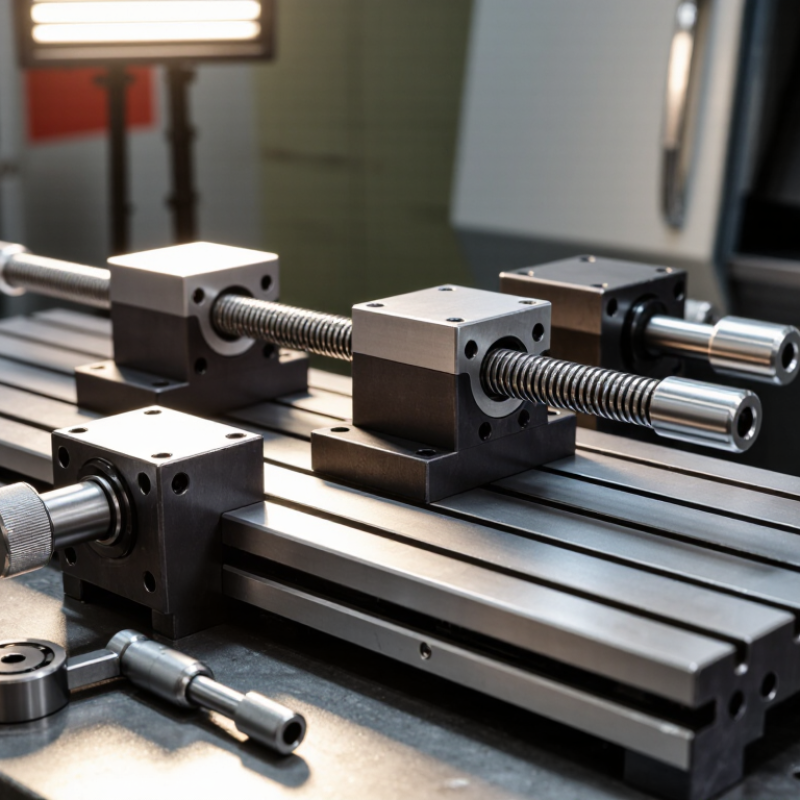
Each axis is controlled by a handwheel connected to a lead screw. Turning the wheel moves the table in small, measurable steps. Dovetail guides support the movement, while adjustable gibs reduce unwanted play. A workpiece or vise sits on the upper surface. This arrangement helps an operator drill a row of holes or make a controlled cut without moving the entire machine.
The best cross slide table from China should match the machine, load, travel, and required accuracy. Check the mounting-hole pattern, table dimensions, screw pitch, and maximum workpiece weight. Steel construction can handle demanding use, but surface finish still matters. Test the handwheels for smooth rotation and inspect for uneven spots. No table is perfectly backlash-free. I would not judge quality from appearance alone; repeatability during real movement matters more.
Tips: Lock unused axes before cutting. Measure movement with a dial indicator when precision matters. Keep the ways clean and lightly lubricated. A small amount of backlash may be acceptable for drilling, but it can affect milling accuracy.
Which Features Define a High-Quality Cross Slide Table?
A high-quality cross slide table starts with rigidity, not appearance. In practical machining, I check the base for twisting before judging its finish. A thick, accurately ground base reduces vibration during drilling and milling. The table should move smoothly without tight spots or sudden looseness. That matters.
The guideways deserve close attention. Dovetail or V-shaped ways should provide stable support across the full travel. Fine adjustment screws should turn evenly and resist unwanted movement. A reliable table usually includes adjustable gibs for removing play over time. I also inspect the leadscrew, nut, and handwheel. Clear graduations help, but readable markings do not guarantee accuracy. A dial with excessive backlash can mislead an operator during small adjustments.
Material quality is equally important. Hardened steel components can improve wear resistance, while a rigid cast body can absorb cutting forces. Buyers should confirm the rated load, table dimensions, travel distance, mounting holes, and compatible accessories. Measurements from an actual inspection are more useful than general catalog language. During one workshop test, I trusted a smooth handwheel too quickly. Later, I found uneven movement near one end of the travel. That mistake changed my checking process. Now I measure flatness, parallelism, and backlash at several positions. Chinese manufacturing offers many capable options, but quality can vary between production batches. Clear inspection records, protective packaging, and responsive technical support make a real difference. Even then, careful verification remains necessary.
How Do Chinese Cross Slide Tables Compare in Performance?
Chinese cross slide tables can perform very well when their construction matches the machining task. In practical shop testing, a rigid cast-iron base reduces vibration during light milling and drilling. Dovetail ways usually provide smoother movement than basic sliding plates. However, performance varies between suppliers, even when dimensions appear identical.
Check the handwheel before installation. Measure backlash across several positions, not only near the center. A good table should move evenly without tight spots or gritty feedback. Repeatability depends on screw quality, bearing support, and proper adjustment. Some Chinese models offer fine graduations and useful travel, but their scales may not always match their actual movement. That detail is easy to overlook. Load capacity also needs careful attention, especially with tall workpieces or a vise. Published figures can be optimistic, so a safety margin is sensible.
Tips: Inspect the table for burrs, clean the ways, and apply suitable machine grease. Test movement under light load first. Record backlash with a dial indicator. If adjustment screws feel rough, stop and correct them before cutting. A lower price can be attractive, but replacement parts, packaging quality, and technical support affect real value. I would not judge performance from appearance alone; a neat finish can hide uneven fitting. A small test cut often reveals more than a specification sheet.
What Should You Check Before Buying a Cross Slide Table?
Before buying a cross slide table from China, define the work it must perform. Measure the required travel, load, mounting pattern, and available bench space. A table rated for 100 kg may lose accuracy near its maximum load. That detail matters.
Check table flatness, slide parallelism, leadscrew backlash, and handwheel consistency. Ask for measured values, not only catalog tolerances. ISO 230-2 describes methods for testing positioning accuracy and repeatability in machine tools. A supplier should provide inspection records based on clear measurement methods.
Request photographs of the test setup, including the indicator, reference surface, and measurement direction. Small evidence builds trust.
Look closely at the ways and screw. Ground ways usually offer better movement than rough machined surfaces, but surface treatment still needs verification. Ask whether the screw uses an anti-backlash nut. Check T-slot dimensions with your own drawings. A mismatch of one millimeter can ruin installation. The 2024 World Machine Tool Survey by Gardner Intelligence identifies China as a major global machine-tool producer and consumer, but production scale does not guarantee every unit’s precision. Grand View Research’s 2024 machine-tools report projects continued market growth through 2030, increasing supplier choices and quality differences. I would not trust a bright finish alone. I once overlooked thread compatibility, and the table needed an adapter plate. Include a sample inspection, written acceptance limits, and spare wear components in the purchase agreement.