


Which Electric Fuel Pumps Are Best for Buyers in 2026?

Choosing the best Electric Fuel Pumps for buyers in 2026 starts with the vehicle, not the product label. A pump must match the engine’s required fuel pressure and flow, electrical supply, fuel type, and installation layout. A mismatch can cause poor starting, hesitation, or unnecessary strain on the system. Small details matter. Check the vehicle’s service information and the pump’s specifications before comparing prices.

Buyers will encounter in-tank and inline designs, standard replacement units, and higher-output options. Each serves a different need; higher flow is not automatically better. Look for clear fitment data, durable materials, accessible technical support, and a warranty with understandable terms. For example, a daily driver may need dependable, quiet operation, while a modified engine may require a carefully matched flow rate. One overlooked connector can turn an easy replacement into a longer repair. That sounds obvious. It is often where buyers go wrong.

This guide explains how to compare pump types, evaluate specifications, and spot claims that deserve a closer look. It does not assume one model suits every vehicle. Product availability and designs can change, and published figures may depend on test conditions. Confirm compatibility with the manufacturer or a qualified technician, especially when the vehicle has been modified. The best choice is the one that meets the stated requirements and fits the real use case—not simply the one with the biggest numbers.
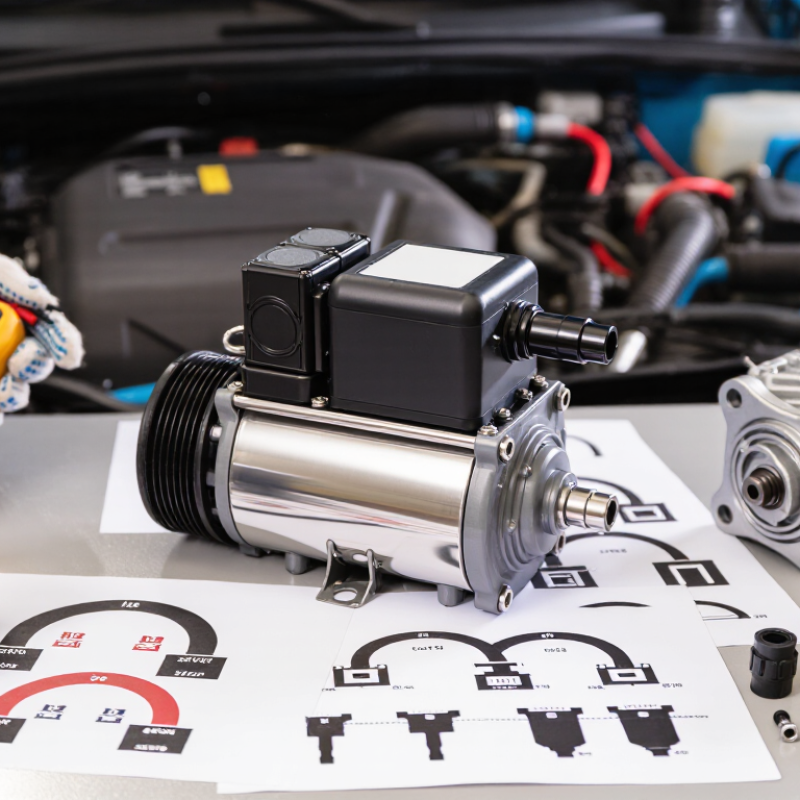
Which Electric Fuel Pumps Are Best for Buyers in 2026?

How Electric Fuel Pumps Work and Where They Are Used

An electric fuel pump moves fuel from its tank to the engine using an electrically driven motor. The principle is simple. Inside the pump, a small impeller or rotor draws fuel through an inlet strainer and sends it along the fuel line under pressure. The engine’s injection system needs a steady, specified supply; too little pressure can cause hard starting, hesitation, or stalling. Exact pressure requirements vary by engine.

Many modern vehicles place the pump inside the fuel tank. Fuel around the unit can help cool it, so repeatedly driving with a nearly empty tank may add avoidable heat and wear. It is not a guaranteed cause of failure, though. Some older vehicles and specialized systems use an external pump. A pressure regulator and, in some designs, electronic controls help match delivery to engine demand. A technician can verify pressure with the correct test equipment rather than guessing from sound alone.

These pumps are used in fuel-injected cars, motorcycles, boats, and some generators. Their job stays similar, but fuel type, operating pressure, wiring, and mounting differ. A pump that physically fits may still be wrong for the system. That detail is easy to overlook. Check the vehicle or equipment specifications, and inspect the strainer, connectors, and fuel lines when diagnosing poor delivery. A weak pump is one possibility, not the only one.


Which Electric Fuel Pumps Are Best for Buyers in 2026?

How electric fuel pumps work and where they are used

Electric pumps move fuel from the tank toward the engine. Typical pressure depends on the fuel system: carbureted engines use low pressure, while fuel injection systems require more. Gasoline direct-injection systems use an electric low-pressure supply pump feeding a separate high-pressure pump. Values shown are approximate ranges; always follow the vehicle manufacturer’s specification when selecting a replacement.

Key Types of Electric Fuel Pumps Available in 2026

In 2026, electric fuel pumps mainly differ by where they sit and how they move fuel. In-tank pumps operate inside the fuel tank, where surrounding fuel helps cool them. They are common in modern vehicles and often come as part of a larger module. Inline pumps mount along the fuel line, making access easier on some setups. But they may need careful positioning and secure connections.

Pump design matters, too. Turbine-style pumps can deliver steady flow with relatively low noise. Gerotor and roller-cell designs use different internal mechanisms and suit different pressure and flow demands. The categories overlap a little, so a product label alone may not tell the whole story. Quiet, but not universal.

Tips: Check the vehicle’s required pressure, flow rate, voltage, and fuel compatibility before choosing. Compare connector shape and mounting dimensions, too. A pump that fits the line may still be a poor match for the engine. When specifications are unclear, verify them against reliable vehicle service information. Guesswork here can mean hard starting or uneven running.

Which Electric Fuel Pumps Are Best for Buyers in 2026? - Key Types of Electric Fuel Pumps Available in 2026

Pump type Typical application Typical pressure range* Advantages Buyer considerations
In-tank pump or module Many modern gasoline vehicles; often supplied as a module with a strainer and, depending on the vehicle, a sender or regulator. Varies by fuel system; port-injection systems commonly operate around 30–80 psi. Fuel helps cool the pump, and in-tank placement can reduce noise and vapor-related issues. Check fitment, electrical connector, module contents, pressure, flow, and compatibility with the vehicle’s fuel and control system.
External inline pump Replacement or supplementary supply on vehicles designed for an external pump; also used in some custom fuel systems. Model-dependent; select to match the system’s required pressure and flow. Accessible for installation and service without removing the fuel tank. Confirm the pump is designed for its mounting location and fuel type. Follow manufacturer guidance for inlet supply, filtration, wiring, and heat protection.
Low-pressure electric pump Carbureted gasoline systems and other applications specifically designed for low-pressure fuel delivery. Often around 4–7 psi for carburetor applications; verify the engine and carburetor requirements. Can provide suitable delivery for systems that do not require injection-level pressure. Do not substitute for a higher-pressure injection pump. Check whether a regulator is required and use one compatible with the system.
High-pressure port-injection pump Gasoline port fuel injection, where fuel is delivered to the intake ports rather than directly into the combustion chambers. Commonly around 30–80 psi, with exact requirements varying by vehicle and operating conditions. Designed to supply the pressure and flow needed by compatible port-injection systems. Match the original system specification, electrical control strategy, and required flow at operating pressure—not just the pump’s free-flow rating.
Electric diesel lift or transfer pump Moves diesel from the tank toward the engine’s fuel-filter and injection system; the layout differs by vehicle. Vehicle-dependent; some low-pressure supply systems operate in the single-digit to tens-of-psi range. Can supply fuel to the engine-side system and may assist priming, depending on the design. A lift pump is not the high-pressure injection pump. Verify diesel compatibility, pressure, flow, filtration, and the vehicle’s priming requirements.
Brushless electric pump Available in some in-tank and external designs for vehicles or custom systems requiring a compatible brushless setup. Depends on the specific pump and system; there is no single pressure range for brushless designs. Brushless motors avoid the sliding electrical brushes used in brushed motors and can support electronic speed control in compatible systems. Check controller requirements, wiring, vehicle compatibility, fuel compatibility, and manufacturer-rated pressure and flow.

*Pressure figures are general examples, not universal specifications. Actual requirements vary by vehicle, engine, fuel, and system design. Gasoline direct-injection systems use a high-pressure pump, commonly mechanically driven by the engine, in addition to an electric low-pressure supply pump. Always confirm fitment and operating specifications before purchasing.

How to Match a Fuel Pump to Your Vehicle and Fuel System

Choosing a fuel pump starts with the vehicle’s required pressure and flow, not the largest advertised number. Check the engine’s fuel demand at its actual operating pressure; pump flow usually falls as pressure rises. A turbocharged engine, for example, may need more flow under boost than a free-flow rating suggests. Confirm the regulator type, fuel-line size, electrical supply, and connector before buying. Small details matter.

Fuel choice changes the calculation. The U.S. Department of Energy’s Alternative Fuels Data Center reports that E85 can contain 51% to 83% ethanol, depending on season and location. Higher ethanol content can increase fuel-volume demand, so a pump suitable for gasoline may not provide enough flow for an ethanol blend. Check that the pump and related seals are approved for the intended fuel. SAE J30 and SAE J2044 provide relevant fuel-hose and connection specifications, but the vehicle’s service information remains essential.

For a stock vehicle, match the original pressure and flow requirements, then verify fitment and wiring. For a modified engine, calculate demand using expected power, fuel type, and operating pressure, and consult the pump’s flow curve at the system voltage. Don’t overlook voltage drop: a worn connector or undersized wire can reduce pump output. The awkward part is that more capacity is not automatically better; an oversized pump can add heat and complicate pressure control. Check twice before ordering.

Features That Define the Best Electric Fuel Pumps for Different Buyers

Choosing an electric fuel pump starts with the vehicle, not a headline flow rate. A daily driver usually needs reliable pressure, quiet operation, and a pump compatible with its fuel and electrical system. Check the engine or vehicle specifications before comparing products. A mismatched pressure rating can cause poor running, even when the pump appears powerful enough. Details matter.

For a modified engine, compare required fuel flow at the operating pressure, not just the pump’s advertised maximum. Confirm that the wiring, fuse, fuel lines, and regulator can support the setup. More flow is not always better. Excess capacity may add noise or create control problems if the rest of the system is not matched. A specification sheet can still leave questions, so verify fitment and installation requirements.

Buyers restoring an older vehicle may value compact dimensions and adaptable mounting, while work vehicles may need durability and straightforward service access. Check inlet and outlet sizes, connector type, and whether a filter is included or required. Measure the available space before ordering. It is easy to overlook this. A quiet pump can also be harder to judge by sound alone; pressure and flow testing provide more useful evidence after installation.

Installation, Compatibility, and Long-Term Maintenance Considerations

Which Electric Fuel Pumps Are Best for Buyers in 2026?

A suitable electric fuel pump must match the vehicle’s fuel type, required pressure, flow rate, voltage, and connector. Check the service manual or a reliable parts catalog before ordering. A pump that physically fits may still deliver incorrect pressure. Inspect the wiring, strainer, seals, and regulator too, especially when replacing an in-tank assembly. Small mismatches can cause hard starts or poor engine performance.

Installation details matter. Relieve fuel-system pressure and work in a well-ventilated area, away from sparks. Replace damaged seals and inspect the electrical connector for corrosion. S&P Global Mobility reported that the average age of U.S. light vehicles reached 12.6 years in 2024. Older vehicles may have brittle wiring or contaminated tanks, so check surrounding components rather than blaming the pump alone. Still, vehicle age is only a clue; it cannot predict an individual pump’s service life.

Tips: Keep the fuel filter and tank area clean, and follow the vehicle maker’s service schedule. After installation, listen for an even priming sound and check carefully for leaks. If pressure readings are wrong, pause and recheck the fitment and electrical supply. It is easy to overlook a weak ground connection.

Kontaktbox-Frau

  • CNC-STEP – Quick contact