


What Is the Best PVC Mixer Manufacturer in China?

Choosing the best PVC Mixer manufacturer in China requires more than comparing prices or catalog photographs. The right supplier must understand formulation behavior, heat control, and production consistency.

Dr. Charles A. Harper, a respected plastics-processing author, offers a useful principle: “Good equipment is judged by repeatable results, not impressive specifications.” This idea fits PVC mixing perfectly. A reliable PVC Mixer should produce uniform blends without excessive temperature rise. It should also protect additives from early decomposition.

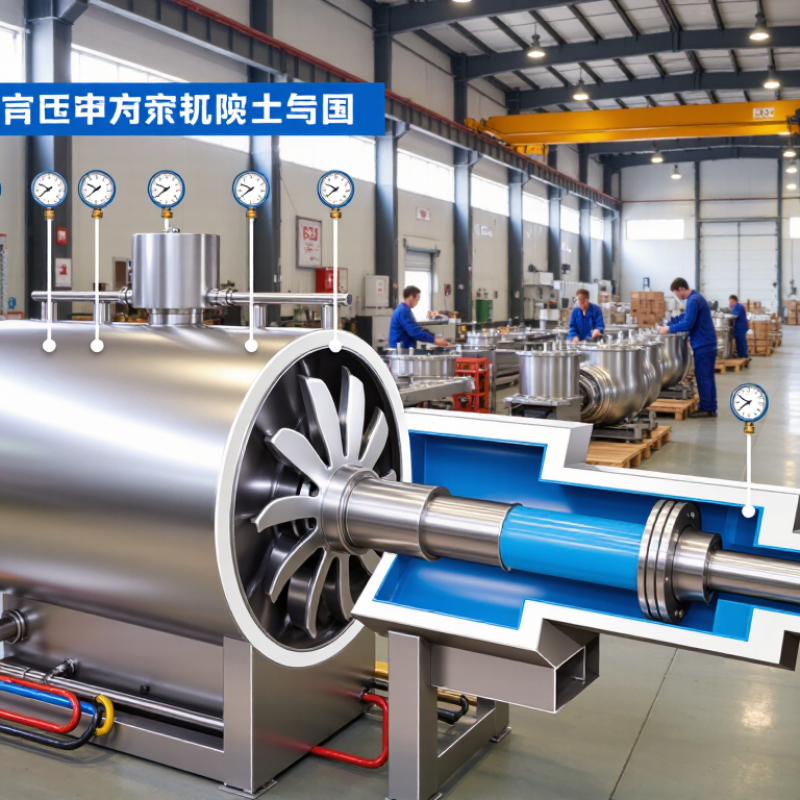
Look closely at the machine details. Check the stainless-steel contact surfaces, rotor design, discharge structure, and cooling channels. Ask for test records using a formulation similar to yours. A serious manufacturer should explain mixing time, power consumption, batch capacity, and maintenance access clearly.

Factory experience matters. Visit the workshop if possible. Observe welding quality, assembly accuracy, and spare-parts organization. Request videos of full-load operation, not only polished demonstrations. Small signs often reveal large differences.

No supplier is perfect. Some manufacturers offer strong machinery but weak documentation. Others provide attractive service promises without practical engineering depth. That deserves reflection.

The best choice usually combines proven production experience, responsive technical support, and transparent testing. It should also adapt the PVC Mixer to your material, output target, and installation conditions. This introduction examines Chinese manufacturers through those practical measures, rather than through marketing claims alone.
What Is the Best PVC Mixer Manufacturer in China?

Understanding PVC Mixers and Their Role in Plastic Processing

Understanding PVC Mixers and Their Role in Plastic Processing

Choosing the best PVC mixer manufacturer in China requires more than comparing prices. The mixer directly affects dispersion, temperature control, and final product consistency. Grand View Research valued the global PVC market at approximately USD 45.12 billion in 2023. Its report also projects steady growth through 2030. That expansion increases pressure on processors to reduce scrap and stabilize production.

A PVC mixer typically combines resin, stabilizers, plasticizers, fillers, and pigments. High-speed mixing heats the compound through friction. Cooling then protects the blend from premature degradation. In a working plant, operators watch the discharge temperature closely. A difference of only a few degrees can change flow behavior. Good equipment should provide accurate sensors, durable blades, and repeatable batch timing. Simple controls matter too.

The best manufacturer should demonstrate testing records, material traceability, and responsive technical support. Reports from the Freedonia Group identify PVC pipe, profiles, and flexible products as important demand areas. Each application requires different mixing torque and temperature settings. A rigid profile line may need stronger filler dispersion. Flexible products may require gentler handling. No mixer is perfect. A polished brochure cannot replace a trial using the customer’s actual formulation. Buyers should request that trial, inspect welds and seals, and verify energy consumption under realistic loads. Some specifications remain vague, and that deserves a second look.


Key Criteria for Evaluating Chinese PVC Mixer Manufacturers

Selecting the best PVC mixer manufacturer in China requires more than comparing prices. Practical experience matters. A dependable supplier should explain heating, cooling, mixing speed, and discharge performance clearly. During factory visits, inspect the mixer frame, welds, rotor clearance, and temperature probes. Small details often reveal production discipline.

Ask for test records using PVC formulations similar to yours. Request data for batch capacity, power consumption, cycle time, and temperature stability. A serious manufacturer can demonstrate stable mixing without hiding inconvenient results. Watch the discharge gate during a live trial. It should open smoothly and leave minimal material behind. Test the mixer.

I once focused too heavily on polished equipment and ignored after-sales support. That was a costly lesson. Review drawings, maintenance schedules, spare-part availability, and response procedures before ordering. Check whether technicians provide installation guidance and practical training. Reliable manufacturers also maintain traceable quality records for motors, bearings, electrical controls, and contact surfaces. A factory audit should include production areas, assembly tools, inspection equipment, and packaging methods. Do not accept vague promises. However, no evaluation is perfect; sample testing may not represent every future batch, especially when raw materials change. Allow room for that uncertainty when comparing Chinese PVC mixer manufacturers.

What Is the Best PVC Mixer Manufacturer in China?

Key Criteria for Evaluating Chinese PVC Mixer Manufacturers

This 100-point procurement framework focuses on the factors that most directly affect PVC mixing performance and total operating value. Process consistency, temperature control, and energy efficiency should be verified through technical documentation, factory testing, and customer references, while safety compliance and serviceability help reduce long-term operational risk. The weighting is a neutral evaluation template and does not represent any specific company or brand.

Comparing Mixer Types, Technologies, and Production Capabilities

What Is the Best PVC Mixer Manufacturer in China?

Choosing the best PVC mixer manufacturer requires comparing equipment types, process control, and production capability. A high-speed hot-and-cold mixer suits continuous PVC dry blending. It heats the powder quickly, then cools the compound before storage. A ribbon mixer offers gentler blending but may need longer mixing cycles. Planetary mixers provide stronger shear for demanding formulations and smaller batches.

The machine design reveals real engineering experience. Check the rotor profile, shaft seals, discharge valve, and temperature sensors. Reliable manufacturers use controlled heating, efficient cooling, and dust-resistant sealing. PLC systems should record mixing time, temperature, and motor load. These records help operators repeat a stable batch.

Small details matter.

Ask for test data using your actual PVC formulation, not only empty-machine demonstrations.

Production capacity also separates serious suppliers from traders. Visit the workshop if possible. Review welding quality, machining accuracy, electrical assembly, and final testing procedures. Ask whether the factory can produce different vessel sizes without changing its basic standards. Spare parts, installation support, and operator training should be clearly defined.

A low purchase price can hide weak after-sales service. That risk deserves attention. I would also question impressive output claims, because real production depends on formulation, moisture, filling level, and cooling time. No supplier is perfect, and even a well-built mixer may need adjustment after installation.

Assessing Quality Control, Customization, and After-Sales Support

Choosing the best PVC mixer manufacturer in China requires more than comparing motor power or quoted prices. Quality control should be visible on the factory floor. Look for batch records, material certificates, weld inspections, torque testing, and temperature mapping. The 2022 ISO Survey recorded more than 1.26 million ISO 9001 certificates worldwide, but certification alone proves little. Ask how the manufacturer controls deviations and documents corrective actions.

Customization should match your formulation, not merely add expensive options. A reliable supplier can adjust mixing volume, blade geometry, heating methods, discharge design, and automation controls. PlasticsEurope reported global plastics production of 400.3 million tonnes in 2022, showing why stable throughput matters across changing production conditions. Request a material trial using your PVC recipe. Review power consumption, mixing uniformity, dust control, and cleaning time. Details matter.

After-sales support often exposes the real difference. Require commissioning guidance, operator training, spare-parts lists, remote diagnostics, and defined response times. A practical supplier should explain which parts normally wear out and keep critical components available. Ask for service records from similar installations. They should show evidence, not promises. No checklist is perfect. I would still question any factory that refuses a factory acceptance test or provides vague warranty terms. A low initial price can become costly when troubleshooting depends on slow translations, missing drawings, or uncertain responsibilities.

What Is the Best PVC Mixer Manufacturer in China? - Assessing Quality Control, Customization, and After-Sales Support

Evaluation Dimension Practical Benchmark Evidence to Request Weight Recommended Assessment
Mixing Performance Uniform dispersion of stabilizers, pigments, fillers, and plasticizers without visible agglomeration. Factory trial report, sample formulation, mixing-time records, and temperature curves. 20% Accept only after a witnessed production test.
Temperature Control Accurate monitoring of heating and cooling stages, with repeatable batch-to-batch control. Calibration records, sensor specifications, PLC control description, and batch-history data. 15% Verify actual readings against a calibrated reference instrument.
Material and Fabrication Quality Product-contact parts should use suitable corrosion-resistant materials; welds and rotating parts should be inspected. Material certificates, welding inspection records, component list, and surface-finish specifications. 15% Give priority to traceable materials and documented inspections.
Customization Capability Configuration should match batch size, powder characteristics, production layout, voltage, and automation requirements. General arrangement drawing, utility list, control philosophy, customized quotation, and interface drawings. 15% Confirm that changes are engineered rather than copied from a standard model.
Safety and Compliance Guarding, emergency stops, interlocks, electrical protection, and operating instructions should be included. Risk assessment, electrical diagram, safety-function test, user manual, and applicable conformity documents. 15% Reject proposals with incomplete safety documentation.
Factory Acceptance Testing Testing should cover empty running, loaded running, temperature control, discharge, noise, and emergency functions. Signed FAT procedure, test results, video evidence, punch list, and corrective-action records. 10% Use measurable acceptance criteria before placing the order.
After-Sales Support Clear warranty terms, spare-parts availability, remote troubleshooting, and commissioning support. Warranty policy, response-time commitment, spare-parts list, service contacts, and commissioning plan. 10% Prefer written service commitments over informal assurances.
Evaluation Method: Score each dimension from 1 to 5 using documented evidence. Multiply each score by the assigned weight and compare the weighted totals. A high-quality choice should demonstrate consistent test results, complete technical documentation, practical customization, and clearly defined after-sales responsibilities.

How to Select the Best PVC Mixer Manufacturer for Your Needs

Choosing the best PVC mixer manufacturer starts with your formulation, output, and plant conditions. A rigid profile compound needs different mixing control than cable insulation or flexible flooring. During factory evaluations, I would check batch size, heating rate, rotor design, discharge temperature, and cleaning time. Small details matter. A mixer that saves eight minutes per batch can improve annual capacity significantly.

PlasticsEurope’s Plastics—The Facts 2024 reports 54.6 million tonnes of plastics production in Europe during 2023. This scale shows why stable dispersion and repeatable processing are essential. Ask manufacturers for test records using your actual PVC resin, stabilizer, filler, and lubricant package. Request torque curves, temperature records, power consumption, and sample testing. Catalog promises are not enough. A useful supplier should explain limitations clearly, not hide them.

Review engineering and service evidence before comparing prices. Check quality systems aligned with ISO 9001, machinery risk assessment under ISO 12100, and electrical safety documentation based on IEC 60204-1. Confirm spare-part availability, remote troubleshooting, installation support, and operator training. The International Energy Agency continues to identify industrial efficiency as a major route for reducing energy demand, so ask for measured energy data rather than estimates. No checklist is perfect. I would also inspect a working installation, interview its operators, and examine maintenance records. A cheaper mixer may become expensive when cleaning, downtime, or inconsistent batches are ignored.

Kontaktbox-Frau

  • CNC-STEP – Quick contact