


China Top 10 Weld Ball Valve Manufacturers for Global Buyers

Choosing a Weld Ball Valve manufacturer in China involves more than comparing unit prices. Buyers must assess materials, welding quality, pressure ratings, documentation, and delivery capability. A valve may look sound on a drawing, yet small differences in seat design or inspection records can affect performance in service.

This guide introduces ten Chinese manufacturers for global buyers and outlines practical points for comparing them. It considers product range, manufacturing focus, quality-control practices, export experience, and the availability of technical support. Details such as material certificates, pressure-test reports, weld procedures, and traceability deserve close attention. Ask suppliers how they inspect each valve, not only which standards they list. Good answers are specific.

No list can replace project-level checks. Requirements vary by fluid, temperature, pressure, connection method, and site conditions. Even an established supplier may not suit every application. Confirm current specifications directly with the manufacturer, review sample documents, and clarify lead times before placing an order. These steps take time. They can prevent costly mismatches later.

The companies featured here offer a starting point for research, not a universal ranking or endorsement. Public product information may change, and some details require direct confirmation. Use the comparisons to shape better questions, then verify each supplier against your drawings, operating conditions, and quality requirements. A careful review is less convenient, perhaps, but it is the more dependable route to a suitable valve.
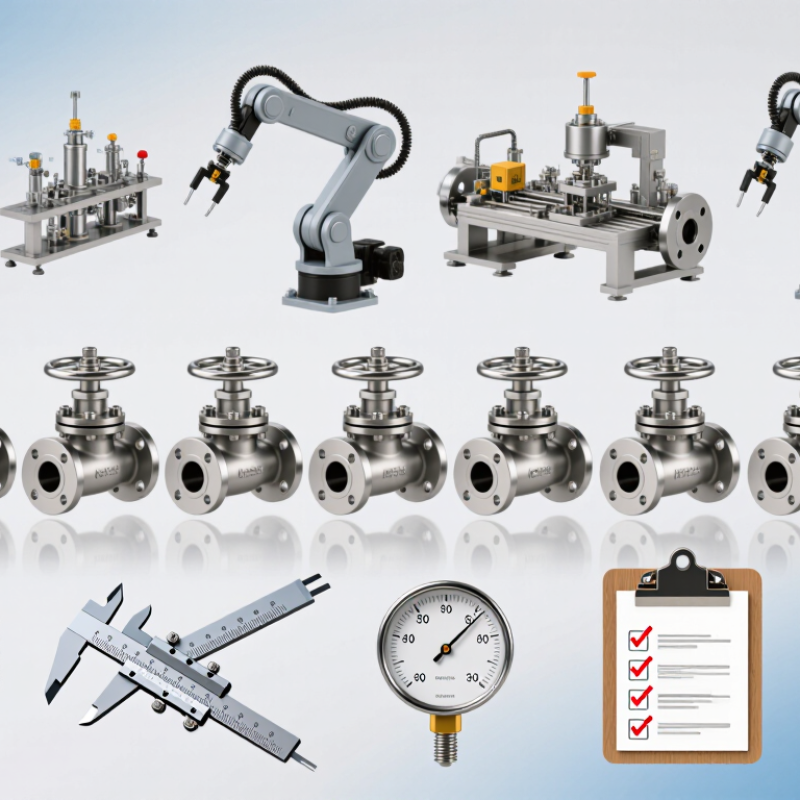
China Top 10 Weld Ball Valve Manufacturers for Global Buyers

What Is a Welded Ball Valve and Where Is It Used?

A welded ball valve controls flow with a quarter-turn ball containing a drilled passage. When the handle turns, the passage aligns with the pipe or blocks it. “Welded” usually describes the end connections, which are joined directly to matching pipe ends. It can also refer to a fully welded body, so buyers should check the valve drawing and specification.

That permanent connection removes threaded joints and separate flanges, leaving fewer potential leak paths and a compact profile. You will find welded-end valves in heating networks, process plants, and gas or water pipelines, where space is tight or robust joints are preferred. They are not ideal everywhere. Repair may require cutting the valve from the line, so access and replacement planning matter.

Installation quality is crucial. Weld heat can damage seats or seals if the valve is not positioned, cooled, or protected according to its instructions. A site engineer should confirm pressure rating, temperature range, body and seat materials, bore size, and fluid compatibility before selection. Small details matter. In practice, the cheapest valve can become an awkward choice when maintenance access was overlooked.

How China’s Welded Ball Valve Industry Serves Global Markets

China’s welded ball valve industry serves global buyers through a mix of engineering, production capacity, and export experience. Manufacturers may supply valves for pipelines, processing plants, and utility systems, with designs selected for pressure, temperature, fluid, and installation conditions. A welded body can reduce potential leak paths, but it also makes material selection and weld quality especially important. Details matter.

For buyers, dependable sourcing begins with clear specifications. Share the required dimensions, connection type, operating range, material grade, and inspection needs before requesting a quotation. During production, practical checks can include weld preparation, dimensional measurement, surface inspection, and pressure testing. Ask for test records and material traceability, then confirm that documents match the delivered valve. Packaging matters too: protective end caps and dry, secure crating help limit damage during long-distance transport.

The industry’s export strength is not uniform. Supplier capabilities, inspection routines, and communication can vary, even when product descriptions look similar. A sample review or independent inspection may reveal issues that a catalogue cannot. That takes time. Buyers should also confirm lead times, spare-part availability, and how technical questions will be handled after shipment. No checklist removes every risk; specifications can still be misunderstood, and project conditions may change. Clear written approvals help both sides catch those gaps before production begins.

Who Are the Top 10 Weld Ball Valve Manufacturers in China?

Who are the top 10 weld ball valve manufacturers in China? A reliable answer should come from documented capability, not visibility alone. The Grand View Research report on industrial valves valued the global market at about US$79.4 billion in 2023 and forecast continued growth through 2030. That wider demand makes supplier checks more important, not less. A market forecast cannot verify an individual factory.

Compare ten candidates using the same evidence: full-welded body design, material traceability, documented welding procedures, pressure-test records, and experience with the buyer’s operating conditions. Ask for a sample inspection report and confirm that serial numbers match production records. Check whether the supplier can explain seat materials, operating torque, and maintenance access in plain terms. Small details matter.

China’s manufacturing scale offers buyers many options. World Steel Association data put Chinese crude-steel output at about 1,005 million tonnes in 2024, but volume alone says little about valve quality. A polished brochure is not proof. Shortlists can also overvalue low prices or export claims; that is a weakness worth challenging. Request recent project references and independently verifiable test evidence before ranking suppliers.

How to Compare Manufacturers by Quality, Certifications, and Production Capacity

For global buyers comparing welded ball valve manufacturers, certificates are only a starting point. ISO 9001 shows that a quality management system is in place; it does not prove that every valve meets your service conditions. Check test records against relevant standards, such as ISO 5208 for pressure testing and ISO 15848-1 for fugitive-emission testing. Ask to see material certificates, weld procedure qualifications, non-destructive examination results, and serial-number traceability. Numbers need context. Grand View Research estimated the global industrial valves market at USD 76.1 billion in 2023, forecasting a 4.3% compound annual growth rate from 2024 to 2030. That market estimate signals demand, not supplier quality.

Production capacity deserves the same scrutiny. Compare verified monthly output with your order size, delivery window, and the supplier’s current workload. Ask how many machining and assembly lines handle similar valve sizes, and whether pressure testing is performed in-house. Request recent on-time delivery data and a sample inspection report; a large nameplate capacity can hide bottlenecks in welding, testing, or final inspection. Ask for evidence. A factory visit helps, but one polished tour can flatter reality. I would still verify a recent production batch independently, especially when valve dimensions, pressure classes, or materials vary across the order.

China’s Top 10 Weld Ball Valve Manufacturers: A Global Buyer’s Comparison Framework

How to compare manufacturers by quality, certifications, and production capacity

This suggested scorecard assigns the greatest weight to product quality, followed by certification coverage and production capacity. The percentages are recommended evaluation weights—not measured market data, manufacturer rankings, or claims about individual companies. Buyers should verify certificates, test records, and capacity directly with each supplier.

What Global Buyers Should Check Before Placing an Order

Before placing an order for a welded ball valve, confirm that its design matches your actual service conditions. Share the fluid type, operating pressure, temperature range, pipe size, and connection requirements with the manufacturer. A valve rated for one pressure range may not suit repeated temperature changes. Details matter. Ask for material certificates and clear traceability from raw materials to finished valve. Weld quality and end dimensions should be documented, not assumed.

Tips: Request drawings, pressure-test records, and inspection criteria before production starts. Check that the proposed test pressure and acceptance limits match your project specifications. Ask how each valve is identified and packaged; labels should remain readable after handling. If any requirement is unclear, put it in writing.

Production capacity and communication also deserve attention. Ask about lead time, batch testing, spare parts, and how changes are managed after approval. For a first order, a sample or a small initial batch can reveal fit and documentation issues before larger quantities are committed. This adds time and cost, and it does not guarantee every future batch will be identical. Still, it gives buyers a useful chance to compare the delivered product with the approved drawings and records.

China Top 10 Weld Ball Valve Manufacturers for Global Buyers - What Global Buyers Should Check Before Placing an Order

No. What to Check Details to Confirm Useful Evidence or Standard Order-Stage Action
1 Design standard and intended service Confirm whether the valve is intended for pipeline, process, or other service. Check the specified design standard, pressure class, size, and operating conditions. API 6D is commonly used for pipeline valves; ASME B16.34 covers pressure-temperature ratings and design requirements for many industrial valves. Applicability depends on the project specification. Put the required standard and service conditions on the data sheet and purchase order.
2 Body construction and weld details Ask whether the body is fully welded or assembled from bolted sections. For welded construction, review weld locations, material compatibility, welding procedures, and inspection requirements. Request relevant welding procedure and welder qualification records, plus weld inspection and non-destructive examination reports when specified by the contract or applicable code. Agree on the construction drawing, weld inspection scope, and required records before production.
3 Butt-weld end dimensions Verify end outside diameter, wall thickness, bevel, end preparation, and dimensional tolerances against the connecting pipe and project requirements. ASME B16.25 specifies butt-welding end preparations for components intended to be joined by welding. Approve an end-connection drawing; do not rely on nominal pipe size alone.
4 Pressure and temperature limits Check the pressure-temperature rating for the selected body material, trim, seat, and design. Confirm minimum and maximum operating temperatures as well as design pressure. Use the applicable pressure-temperature tables and the valve’s approved technical data. ASME B16.34 is one commonly specified reference for industrial valves. Request written confirmation for the exact material, pressure class, and temperature range being purchased.
5 Materials and traceability Confirm body, ball, stem, seat, and seal materials, including any coating or overlay. Check that materials suit the process fluid, temperature, corrosion conditions, and required impact properties. Material test certificates, such as EN 10204 Type 3.1 when specified, can document inspection and test results for supplied products. List material grades and certificate requirements for each pressure-containing and wetted component.
6 Sour-service suitability Where hydrogen sulfide is present, verify that the specified metallic materials and hardness controls are suitable for the defined sour environment. NACE MR0175 / ISO 15156 addresses material selection for oil and gas production environments containing H₂S; suitability depends on the service conditions and material details. Provide the project’s sour-service conditions and require documented material compliance where applicable.
7 Seat, stem, and leakage performance Confirm seat type, sealing direction, allowable leakage, stem sealing design, and compatibility with the fluid and temperature. Clarify whether the valve is soft-seated or metal-seated. API 598 and ISO 5208 are commonly specified valve inspection and pressure-testing standards. The required test standard and acceptance criteria should be stated in the order. Define shell, seat, and any high-pressure gas test requirements before quotation approval.
8 Fire-safe and fugitive-emission requirements Confirm whether the project requires fire-tested construction or type-tested control of external emissions. These are distinct requirements and should not be assumed from a general valve specification. API 607 and ISO 10497 cover fire testing of valves; ISO 15848-1 covers classification and qualification procedures for fugitive-emission type testing. Request applicable test reports for the relevant valve design, size, pressure class, and configuration.
9 Inspection, testing, and documentation Agree on inspection points, pressure tests, dimensional checks, coating checks, marking, and whether purchaser or third-party inspection is required. A project inspection and test plan can define test stages, acceptance criteria, witness points, and required manufacturing records. Approve the inspection and test plan and document list before manufacturing starts.
10 Actuation, delivery, and after-sales support Check manual or actuated operation, required torque, actuator sizing, mounting interface, accessories, delivery terms, spare parts, and warranty conditions. ISO 5211 specifies mounting dimensions for part-turn actuators and attachments when that interface is applicable. Confirm the complete valve-and-actuator configuration, delivery schedule, spare-parts list, and warranty terms in writing.

Note: Standards and test requirements are application-specific. Buyers should confirm the latest applicable editions and project specifications with the supplier and the responsible engineering team before placing an order.

Kontaktbox-Frau

  • CNC-STEP – Quick contact