How to Choose the Right Single-Girder Gantry Crane for Your Needs?
Choosing the right Single-Girder Gantry Crane is crucial for efficient operations in various industries. According to industry reports, the global gantry crane market is projected to grow significantly, driven by increasing demands for lifting equipment. In particular, single-girder cranes are favored for their versatility and cost-effectiveness.
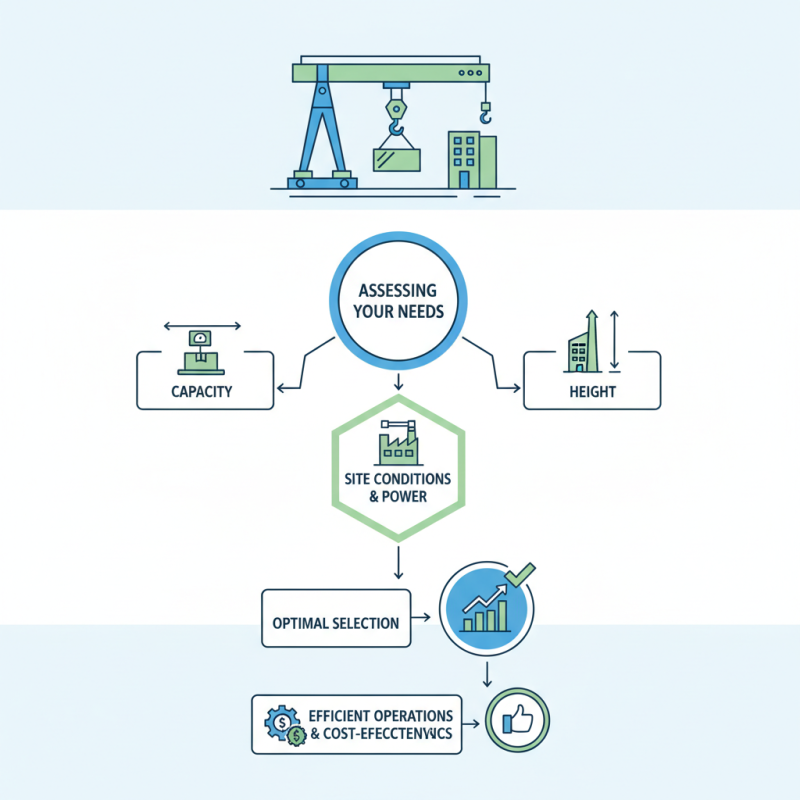
However, making the right choice requires careful consideration of several factors. Capacity, span, and height are essential specifications that impact performance. A crane that is too small may not handle loads efficiently, while one that is oversized can lead to unnecessary costs.
Experience within the field suggests that many users overlook critical aspects, such as site conditions and power supply. This omission can lead to operational inefficiencies. Ultimately, investing time in understanding your specific needs will yield better results in selecting the ideal Single-Girder Gantry Crane. Recognizing potential shortcomings in current selections often leads to improved decision-making.
Factors to Consider When Selecting a Single-Girder Gantry Crane
Choosing the right single-girder gantry crane involves careful consideration of several key factors. First, assess the load capacity needed for your specific applications. Single-girder cranes generally have lower capacities than their double-girder counterparts, which may limit their use in heavy-duty environments. Take time to evaluate the weights of the loads you intend to lift. A crane that can't handle the weight could lead to serious safety issues.
Another significant factor is the crane's span and height. Measure the area where the crane will operate. Space constraints can severely limit the effectiveness of a crane. Make sure the crane fits comfortably, allowing for smooth operation. Additionally, consider the environment in which the crane will be used. Outdoor cranes need to withstand weather conditions. If you require mobility, look for models with wheels suited to your terrain.
It’s also vital to factor in the power source. Electric or diesel options are available, each with pros and cons. An electric crane is quieter and cleaner, while a diesel crane may offer more power in remote locations. However, the choice of power source can impact operational costs. Reviewing these elements carefully can lead to a more informed decision that meets your operational needs. Reflect on your long-term requirements to make the best choice.
Factors to Consider When Selecting a Single-Girder Gantry Crane
Load Capacity Requirements and Their Impact on Crane Selection
When selecting a single-girder gantry crane, load capacity is a crucial factor. Industry reports indicate that cranes should be chosen based on the maximum weight they will handle. For example, a facility that lifts materials weighing up to 10 tons needs a crane designed accordingly. The wrong choice could lead to excessive wear and safety hazards.
Experts emphasize verifying load requirements. A crane's overload can result in structural failure. As per the American Society of Mechanical Engineers (ASME), cranes should exceed the maximum load by at least 20% for safety. This consideration impacts the overall design and costs. A bridge with insufficient load capacity may also limit future operations.
Tips: Assess your operational needs accurately. Engage with your team to understand load frequency and weight variations. Regularly review your processes to adapt to changing requirements. Investing in a crane with the right specifications can enhance productivity and safeguard against operational risks.
Span and Height Considerations for Optimal Gantry Crane Performance
When selecting a single-girder gantry crane, span and height are critical considerations for performance. A span that aligns with your workspace dimensions maximizes efficiency. For example, industry studies indicate that a span of 10 to 30 meters suits most manufacturing environments. This range allows for optimal lifting capabilities while ensuring stability during operation.
Height is equally important. An ideal clearance can range from 3 to 6 meters, depending on the materials being lifted. Insufficient height may limit operational flexibility. Data shows that low-clearance cranes can decrease productivity by up to 20% due to the inability to maneuver large loads effectively. It’s vital to assess the operational environment to avoid potential setbacks.
It’s essential to balance span and height for your specific needs. If the span is too wide or too narrow, it can lead to poor weight distribution. A mismatched design may result in increased wear and tear, leading to higher maintenance costs. Collecting feedback from operators can help refine your choice, ensuring the crane meets both safety and efficiency standards. Always engage with knowledgeable professionals during the selection process to enhance the decision-making journey.
Material and Design Choices for Durability and Efficiency
When selecting a single-girder gantry crane, material and design choices greatly impact durability and efficiency. Steel is often a go-to for its strength and longevity. However, exploring alternatives like aluminum can lead to weight savings and easier maneuverability. The choice between these materials should reflect the environment. Corrosive conditions may demand protective coatings or rust-resistant materials.
Design is equally critical. A well-designed crane enables smooth operation and minimizes wear. Consider features like adjustable heights or modular designs. These allow customization for various applications. Simplicity in design can reduce maintenance needs, but may also limit functionality. Balance is key.
Efficiency hinges on load capacity as well. Underestimating your needs could lead to operational challenges. Overestimating can result in unnecessary costs. Carefully evaluate the workload before making a decision. Attention to these details can enhance overall performance and user safety.
Safety Standards and Regulations in Gantry Crane Selection
When selecting a single-girder gantry crane, one must prioritize safety standards and regulations. Operating in compliance with safety guidelines is crucial. Each jurisdiction has its own set of regulations governing crane use. Familiarizing yourself with these laws can help prevent accidents and costly penalties.
One key area is load capacity. It's vital to determine the maximum weight your crane will handle. Exceeding this limit can lead to structural failures. Additionally, consider the crane’s design. A robust design not only enhances durability but also promotes operational safety. Regular inspections are critical. They ensure that the crane remains compliant over time.
Training for operators is another essential component. Providing thorough training on safety practices and equipment use can reduce workplace hazards. Operators must understand emergency procedures. Relying solely on experience without ongoing education leaves room for risk. Regularly updating training to reflect new regulations or technologies is wise. Safety should never be an afterthought; it must be integrated into every step of crane selection and operation.
How to Choose the Right Single-Girder Gantry Crane for Your Needs?
| Feature | Importance | Considerations | Safety Standards |
| Load Capacity | High | Evaluate load requirements | ASME B30.17 |
| Span | Medium | Site layout and structure | OSHA Regulations |
| Height of Lift | High | Required lift height | ANSI/ASME safety standards |
| Power Source | Medium | Electric vs diesel | ISO 9001 |
| Mobility | Medium | Static vs portable | CMAA Guidelines |
| Operator Training | High | Certification programs | Industry standards |