


Why Choose a Portable Coffee Grinder for Camping?

A quiet campsite can make a fresh cup feel especially rewarding. You hear the kettle begin to hiss, smell coffee bloom in the mug, and leave the day’s rush behind. A Portable Coffee Grinder For Camping makes that small ritual possible without relying on electricity or bulky equipment. It lets you grind beans just before brewing, when their aroma is still vivid.

Coffee educator James Hoffmann often emphasizes that the grinder is one of the most important parts of a coffee setup. That idea matters outdoors, too. A consistent grind helps water extract coffee more evenly, whether you use a pour-over dripper or a compact press. Look for a hand grinder with sturdy burrs, a comfortable handle, and a body that fits your pack. Easy cleaning matters when you’re dealing with grounds, dust, and a crowded picnic table.

The trade-offs are real. Hand grinding takes time, and a tiny grinder can feel awkward with cold fingers. I’ve found that even a well-designed tool can become one more thing to pack. Still, fresh grinding can bring a fuller aroma to a simple camp breakfast. This guide explores what makes a portable grinder useful, which features deserve attention, and where convenience has limits. No grinder fixes stale beans or rushed brewing. But the right one can make a quiet morning taste a little more like home.
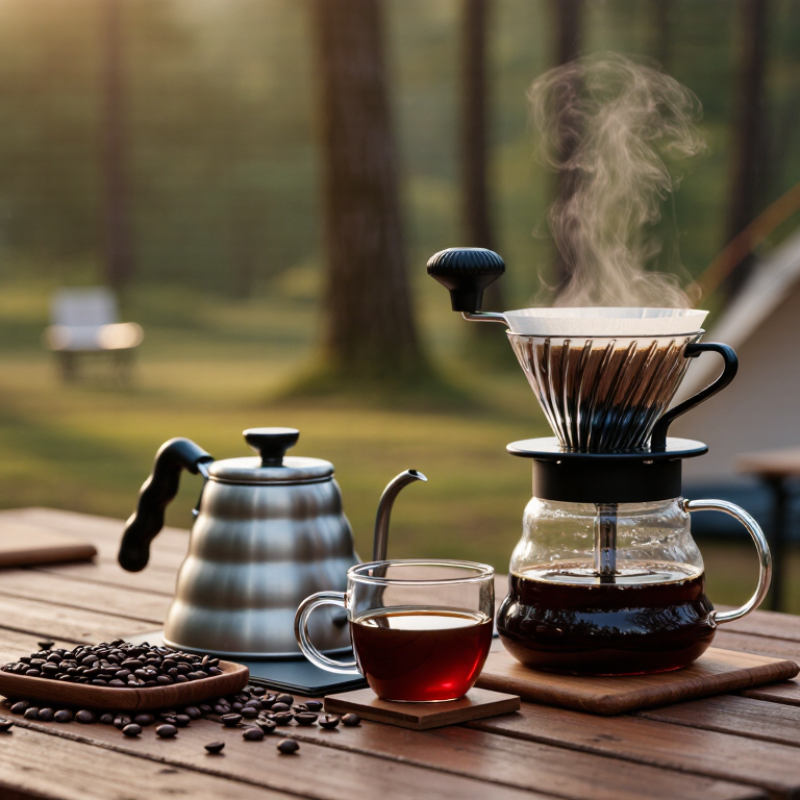
Why Choose a Portable Coffee Grinder for Camping?

What a Portable Coffee Grinder Is and How It Works

A portable coffee grinder is a compact tool for turning whole coffee beans into grounds at camp. Many models use a hand crank, so they need no outlet or battery. Inside, two burrs crush the beans into smaller particles. Turning the crank moves one burr against the other, while an adjustment setting changes the gap. A narrower gap usually makes finer grounds; a wider one makes coarser grounds. Some portable grinders use blades instead, which chop beans less evenly.

Tips: Grind a small amount at a time. Keep the grinder steady on a flat surface, and brush away leftover grounds before packing it. Fine dust can cling to the burrs.

For camping, size and build matter as much as grind settings. A short handle and a secure lid help when space is tight or the ground is uneven. Check whether the adjustment setting can shift during travel; a changed setting may affect the brew. If you make pour-over coffee, a medium, fairly even grind is a useful starting point. For a press pot, try a coarser setting. The result may still vary with bean freshness and your pouring technique. That’s normal. A portable grinder makes fresh coffee practical outdoors, but it does add one more item to clean and carry.


How Freshly Ground Coffee Fits the Camping Experience

Why Choose a Portable Coffee Grinder for Camping?

How Freshly Ground Coffee Fits the Camping Experience

At camp, coffee often begins in the cool, quiet hours before the tent is packed away. Grinding beans beside a small stove adds a few minutes, but it can make that pause feel deliberate. The aroma is noticeable in crisp morning air, especially when the campsite is still quiet. A compact hand grinder needs no power, and its simple mechanism is easy to understand and clean.

Fresh grinding also gives you control over the texture. A coarser grind can suit a French press, while a finer one may work better for some pour-over setups. Consistent grounds help make brewing more predictable, though hand grinders vary, and adjusting them takes practice. That matters. Bring only the amount of beans you expect to use, and keep them sealed against moisture and strong odors.

The ritual is not perfect. Grinding can feel tedious when your hands are cold or you are eager to get moving. A few grounds may spill onto the picnic table, and the grinder adds one more item to carry. Still, for campers who enjoy a slower start, that small effort can turn a basic cup into a satisfying part of the morning.

Key Benefits of Grinding Coffee Away from Home

At a cold campsite, a portable hand grinder lets you grind beans just before brewing, without batteries or an outlet. Freshly ground coffee can preserve more aroma than grounds exposed to air for longer. You can also adjust the grind: coarser for a press, finer for a pour-over.

The National Coffee Association’s 2024 National Coffee Data Trends report found that 67% of U.S. adults drank coffee the previous day, and 45% had specialty coffee. Those figures are not specific to camping, but they reflect how much coffee matters in daily routines.

A familiar cup can make a chilly morning feel less rough.

A small grinder packs easily beside a mug and filter, and grinding only what you need avoids carrying leftover grounds. It also gives you control when campground water or brewing gear differs from home.

Small trade-off.

Hand grinding takes time, especially for several cups, and beans can scatter on a windy picnic table. A grinder with a steady handle and a secure catch cup helps, though neither makes camp cleanup perfect. That is part of the appeal: a simple ritual, a little effort, and coffee made to suit the moment.

Factors to Consider When Choosing a Camping Grinder

Choosing a portable coffee grinder for camping means balancing grind quality with weight and pack space. A compact hand grinder can fit beside a mug, but a narrow handle may feel awkward when your hands are cold. Look for sturdy materials, a secure lid, and parts that can be rinsed or brushed clean without special tools. Burr grinders usually offer more consistent particle sizes than blade grinders, which can help produce a more even brew. That matters.

Check the adjustment range if you switch between pour-over and a small camping press. A clear, repeatable setting saves guesswork at the campsite. Consider capacity, too: grinding enough for two cups may require multiple batches in smaller models. Try the handle before buying, if possible. A stiff crank gets tiring.

Tips: Pack a small brush and keep beans sealed from moisture. Grind on a flat, stable surface, and avoid dropping the grinder onto rocks. A few extra grams of weight may be worth it if the handle turns smoothly and the grind setting stays put. I have found that “ultralight” is not always the most comfortable choice; this trade-off deserves a little thought.

How to Use and Care for a Portable Grinder Outdoors

A portable grinder works best outdoors when it stays dry, steady, and easy to reach. Before packing, check that the handle and adjustment parts are secure. Put the grinder in a small pouch to keep dust and loose grounds away. A flat rock or camp table makes a steadier surface than your knee. Small details matter.

At camp, add only enough beans for the coffee you plan to brew. Hold the grinder firmly and turn its handle at an even pace; forcing it can make grinding tiring and uneven. Choose a coarser setting for a quick pour-over, then adjust gradually if the brew tastes too weak or bitter. Keep the grinder away from wind while adding beans. Outdoor grinding rarely stays perfectly tidy.

After brewing, brush out the grounds with a dry, soft brush. Wipe the outside with a clean cloth, and avoid rinsing the mechanism unless its instructions say it is safe. Moisture trapped inside can encourage corrosion or affect the next grind. Let every part dry fully before storing it. A few grounds may still cling to the burrs, especially after a dusty trip. That is normal; clean gently rather than scraping with a sharp object.

Why Choose a Portable Coffee Grinder for Camping?

Freshly grinding beans at camp lets you adjust the grind for your brew method. Use these approximate coffee-dose ranges as starting points for a 250 ml cup; recipes vary, so adjust to taste.

Outdoor care: Brush out dry grounds after use and keep the grinder dry. Avoid rinsing or immersing it unless its manufacturer says it is safe to do so.

Kontaktbox-Frau

  • CNC-STEP – Quick contact