


How to Choose the Best Exterior Doors in 2026?
Choosing the best Exterior Doors in 2026 means balancing security, weather protection, energy performance, and design. A door may look striking in a showroom, yet feel drafty beside a cold hallway. Details matter: the frame, weatherstripping, threshold, glass, and installation all affect how it performs. So does the way your household uses the entrance.
Architectural theorist Juhani Pallasmaa is often credited with the line, “The door handle is the handshake of the building.” It captures an important idea: a front door is both a practical barrier and part of the home’s first impression. But appearance alone is not enough. This guide explores common materials, glazing choices, security features, maintenance needs, and questions to ask an installer. It also considers climate, exposure to rain and sun, and the opening’s existing size.
Start with the conditions at your home. Does wind push rain toward the entry? Is afternoon sun fading the finish? A steel, fiberglass, or wood door can each suit different needs, but no material wins in every setting. Compare product specifications, warranties, and installation details rather than relying on broad sales claims. Check that the door fits the opening properly. Small gaps can undermine an otherwise excellent product.
There is no perfect choice. Even careful comparisons can miss how a door feels after months of daily use. Use the sections ahead to narrow your options, weigh trade-offs, and choose an Exterior Doors solution that fits your home—not just the latest trend.
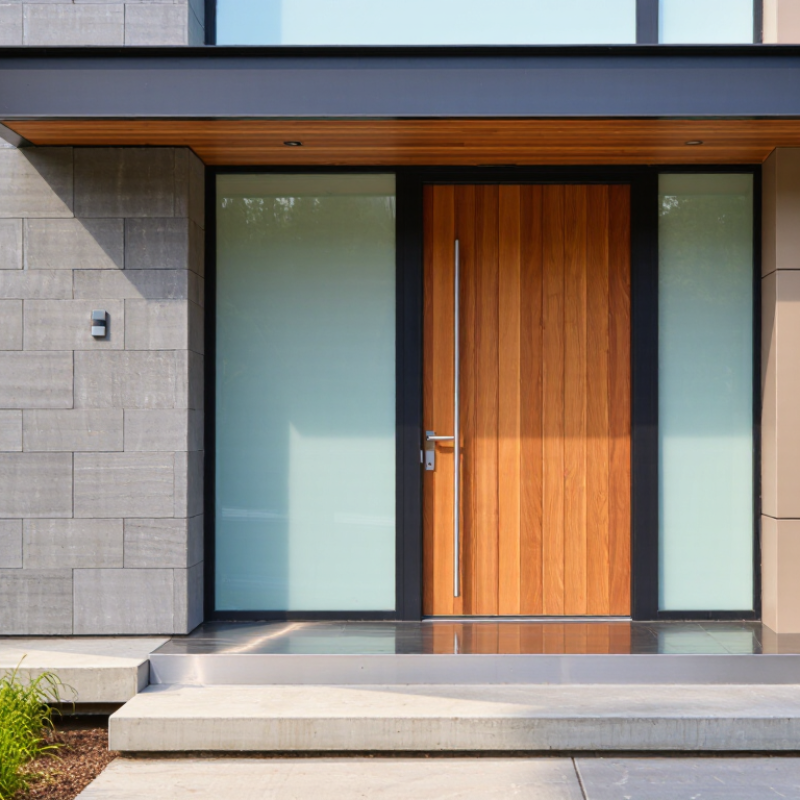
Define Your Home’s Climate, Entry, and Security Requirements
Start with the climate at your doorstep: winter wind, summer sun, coastal damp, or wide temperature swings. The U.S. Energy Information Administration’s 2020 Residential Energy Consumption Survey found that space heating accounted for 42% of household energy use. That makes a drafty entry worth investigating. Compare a door’s U-factor, which indicates heat transfer, and check whether its weatherstripping and threshold suit local conditions. NFRC-rated product labels can help you compare performance.
Think about how the entry works every day. A covered porch may shield a door from rain, while an exposed west-facing entrance can take strong afternoon sun. Check the sill after a storm, feel for air leaks around the frame, and measure the clear opening before choosing a replacement. Small details matter. I’d also consider delivery paths, mobility needs, and whether the door will be used often with wet or muddy shoes.
Security depends on the whole entry, not just the slab. Look for a sturdy frame, a well-fitted deadbolt, and strike-plate fasteners that reach the framing. Glazed panels or nearby sidelights may need careful placement and durable glazing. Ask an installer how the frame will be anchored and sealed, not only what the door is made of. Perfect security is unrealistic. Still, a sound installation and a secure latch can remove obvious weak points.

Compare Exterior Door Materials, Durability, and Maintenance
Choosing an exterior door in 2026 means weighing material against weather, upkeep, and the way your entry is used. Wood offers natural grain and can be repaired or repainted, but sun and rain may cause fading, swelling, or peeling. Check its finish each year, especially near the bottom edge and hinges. It can look warm. It also asks for attention.
Fiberglass resists moisture and usually needs only washing and occasional finish checks. Its surface can imitate wood, though quality and construction vary; inspect the frame and weather seals, not just the face. Steel often provides sturdy security and good insulation, but scratches can expose metal to rust. Touch up damaged paint promptly. That detail is easy to miss. A door’s durability also depends on installation: gaps can invite drafts and water, even with a durable slab. Compare warranties and care instructions, then consider the local exposure. A shaded porch and a west-facing entry do not age doors alike. I would not call any option maintenance-free; the frame, threshold, and seals need attention too. I still think material choice gets more credit than fit.
| Door Material | Durability and Weather Performance | Insulation Potential | Typical Maintenance | Best Suited For | Key Trade-Off |
|---|---|---|---|---|---|
| Fiberglass | Generally resists moisture, warping, and corrosion. Performance depends on the door’s construction, finish, installation, and exposure; severe impacts can damage the skin. | Often good, especially in insulated door designs. Check the complete door’s energy-performance label rather than judging by material alone. | Usually low. Clean periodically and inspect the finish, weatherstripping, hinges, and threshold. | Homes seeking a low-maintenance door that can handle changing weather. | Quality and appearance vary; damaged surfaces may need repair to protect the door. |
| Steel | Strong and secure, but the surface can dent. Scratches or damaged coatings may expose the steel to rust, especially in damp or coastal conditions. | Can be good when the door has an insulated core and well-sealed edges. Metal conducts heat, so construction and thermal details matter. | Low to moderate. Clean as needed and promptly touch up coating damage; check seals and hardware regularly. | Entryways where strength and value are priorities. | Dents can be difficult to repair invisibly, and damaged finishes need attention. |
| Solid Wood | Can last for many years with suitable protection, but moisture and temperature changes may cause swelling, shrinking, or finish deterioration. | Wood itself provides some insulation, but the complete door’s performance depends on its design, glazing, seals, and fit. | Moderate to high. Inspect the finish and joints; repaint or refinish when protection wears, following the manufacturer’s guidance. | Homes prioritizing natural appearance, customization, and traditional detailing. | Requires more care to maintain its appearance and resist moisture-related movement. |
| Aluminum | Resists rust and is generally lightweight. The finish can be scratched, and performance in harsh environments depends on the coating and hardware. | Varies. Aluminum conducts heat; thermally broken frames and insulated door construction can improve performance. | Usually low. Wash periodically and inspect the coating, seals, and hardware. | Contemporary designs, large glazed openings, or locations where a lightweight frame is useful. | Thermal performance depends heavily on frame design; standard aluminum can transfer heat readily. |
| Composite | Performance varies by composition and construction. Many designs are made to resist moisture and everyday wear, but check the product’s tested specifications. | Can be good when paired with an insulated core and effective perimeter seals. | Often low. Follow the care instructions for the specific surface and inspect seals and hardware. | Buyers looking for a balance of appearance, insulation, and limited upkeep. | “Composite” covers different materials, so durability and repair options are not uniform. |
| Comparison is general, not a guarantee of performance. Durability and energy efficiency depend on the complete door assembly, glazing, finish, installation, climate, exposure, and maintenance. Compare independently tested ratings and follow the manufacturer’s care instructions. | |||||
Evaluate Energy Efficiency, Weather Resistance, and Security Features
Choosing an exterior door in 2026 means balancing energy efficiency, weather resistance, and security—not just matching the house. Look for a complete door system with insulated construction, tight weatherstripping, and a well-fitted threshold. A strong insulation rating can help, but installation gaps may still let drafts reach a hallway. Small gaps matter. Check that the door’s performance information applies to the full unit, including its frame and glass, if present.
Tips: Compare published energy ratings, and ask how the door handles your local conditions, such as driving rain, freezing nights, or strong sun. Inspect the threshold and weatherstripping in person. They should feel sturdy and sit evenly. Security matters, too. Check the lock’s reinforcement, hinge design, and frame strength rather than judging safety by the lock alone.
Weather resistance depends on both materials and upkeep. A door exposed to afternoon sun may need different care from one under a deep porch; no material is maintenance-free. I would not treat any single rating as a guarantee, especially if the opening is uneven or the surrounding seal is worn. Ask a qualified installer to assess the frame and explain how water will drain away. A secure, efficient door still needs a sound installation.
Match Door Styles, Sizes, and Hardware to Your Home
Start with the house, not the catalog. A simple, glazed door can brighten a shaded entry, while a solid panel may suit a busy street. Match the style to nearby windows, trim, and rooflines; then check whether the door’s proportions suit the facade. Measure the opening at several points, including width, height, and depth, and confirm the rough-opening requirements before ordering. Small detail. An uneven sill or tight clearance can turn a good-looking choice into a difficult installation.
Choose hardware for daily use, not appearance alone. Check the handing and swing, then match hinges, latch, and lockset to the door’s preparation and thickness. A lever is easier to operate with full hands; a sturdy deadbolt adds a practical layer. Remodeling’s 2024 Cost vs. Value report estimated a 188.1% cost recoup for a steel entry-door replacement, based on national project and resale-value estimates. That figure is a benchmark, not a promise, and it does not measure comfort or fit. I’d pause before treating resale data as the whole answer: a door that sticks in winter is still a poor choice. Look for tight weatherstripping, a threshold that meets the floor cleanly, and glazing suited to the entry’s sun exposure.
Review Installation, Warranty, and Long-Term Costs
An exterior door’s real cost includes more than the unit price. Ask for an itemized installation quote covering removal, disposal, flashing, insulation, and interior trim. A low quote may exclude repairs to a soft or uneven frame. That matters. Before work begins, confirm who checks the opening and how water will drain around the sill. Poor sealing can lead to drafts or moisture damage, even when the door itself is well made.
Read the warranty before comparing options. Check how long it covers the door, finish, hardware, and labor; these terms may differ. Look for exclusions involving installation errors, neglected maintenance, or exposure to harsh weather. Keep the paperwork. Ask who handles a service request and whether labor is included. A long warranty sounds reassuring, but it may not cover the part you actually need repaired. I would not assume otherwise.
Think about costs over several years. A durable finish may reduce repainting, while adjustable hinges can make routine maintenance easier. Compare expected upkeep, replacement weatherstripping, and likely heating or cooling losses, not just advertised efficiency. If a door faces strong afternoon sun or frequent rain, those details may affect wear. Estimates are imperfect. Still, writing down each option’s installation and maintenance costs makes the comparison more useful.
Article Source:
Siemensstraße 13-15
47608 Geldern
NRW Deutschland
Mail: sale@atmmachinesolutions.com
Head office:
+49 (0) 2831 91021-20
Fax:
+49 (0) 2831 91021-99
SUPPORT and INFO
from 3 p.m. to 6 p.m:
+49 (0) 2831 91021-60
( please ring for a long time )
Monday to Friday
8.00 – 12.30
and 13.00 – 15.00
Visit / collection by appointment only!
➣ Sign up for our newsletter
Benefit from a 20% discount, don’t miss any events and always stay up to date.
To access the actual content, click on the button below. Please note that data will be passed on to third-party providers.
More information