How to Choose the Right Tapping Tool for Your Needs?
Choosing the right Tapping Tool can be challenging. With so many options available, it’s crucial to understand your specific needs. Renowned expert in machining, Dr. Linda Marshall, once stated, "A good tapping tool can mean the difference between a perfect hole and costly rework."
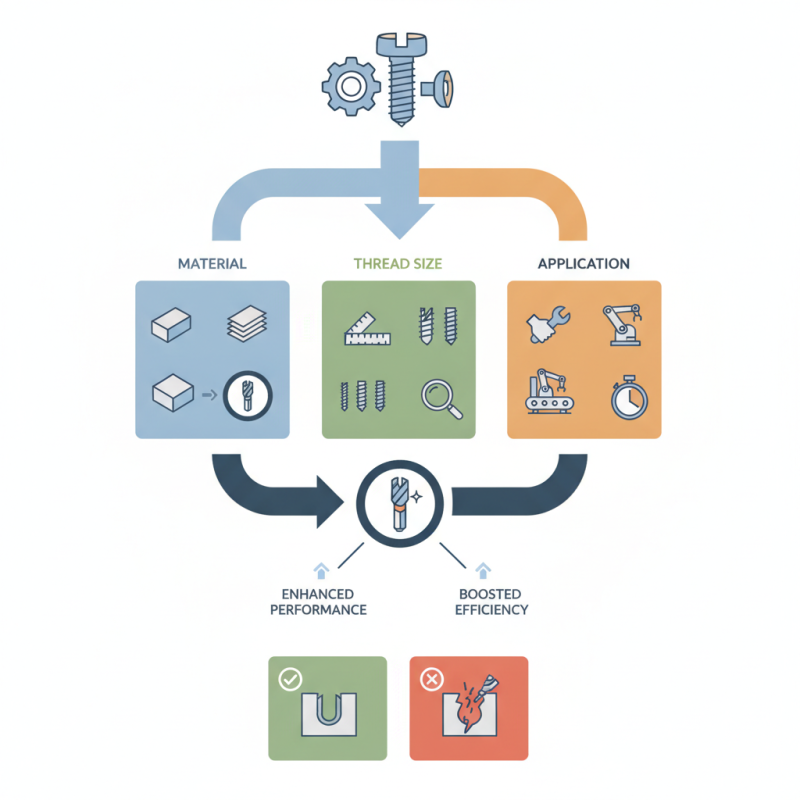
Each tapping tool serves a unique purpose. Factors such as material, thread size, and application will influence your choice. The right tool not only enhances performance but also boosts efficiency in production. However, many overlook these details, leading to frustrating outcomes.
Tapping tools vary widely in design and function. Exploring features like coatings, sizes, and types is essential. A well-chosen tool can extend the lifespan of your equipment. Yet, if you rush your decision, it could result in unnecessary errors. Always consider your specific requirements before making a selection.
Understanding the Different Types of Tapping Tools Available
When selecting the right tapping tool, understanding the different types available is crucial. Tapping tools come in various styles, each serving specific purposes. For instance, hand taps are ideal for manual operations, allowing precise control. These taps are suited for small jobs and delicate materials. Power taps, on the other hand, are designed for automated systems, increasing efficiency for larger production runs.
Another type is plug taps. They create threads quickly and are often the go-to choice for general-purpose applications. They come in various sizes and materials, allowing you to choose based on your project’s needs. Conversely, bottoming taps help create threads in blind holes, ensuring contact with the bottom. However, they may require more skill to use effectively.
Using tapping tools doesn’t always go smoothly. Misalignment can lead to damaged threads or broken tools. Testing on scrap material can save time. Sometimes, a tool may not perform as expected due to wear or incorrect usage. Each tool has its strengths and weaknesses, which means careful consideration is necessary. Familiarizing yourself with these types will enhance your project outcomes.
How to Choose the Right Tapping Tool for Your Needs? - Understanding the Different Types of Tapping Tools Available
| Type of Tapping Tool | Description | Best Use Cases | Material Compatibility |
| Hand Taps | Manual tools used for creating threads in a material. | Small projects, hobby work, and maintenance. | Metal, Plastic, Wood |
| Machine Taps | Designed for use with machines to tap threads quickly and efficiently. | High-volume production and automation processes. | Metal, Plastic |
| Spiral Point Taps | Taps that have a pointed spiral design, allowing for chips to be pushed forward. | Through holes, blind holes. | Metal |
| Taper Taps | Taps that have a taper at the start to guide the tap into the material. | Initial threading and in materials that are hard to start. | Metal, Plastic |
| Bottoming Taps | Have little or no taper, designed to create threads to the bottom of a blind hole. | Blind holes where full thread depth is needed. | Metal, Plastic |
Evaluating Your Project Requirements and Material Compatibility
When selecting a tapping tool, understanding your project requirements is crucial. Consider the type of material you will be working with. Different materials demand specific tap types and coatings. For instance, tapping into aluminum requires a different approach than tapping into steel. Each material reacts differently. Some are softer, and others are much harder, affecting both the tool choice and your tapping technique.
Additionally, think about the dimensions of your project. The size of the hole and the thread depth influence the tap size. If you choose a tap that is too small, you might not achieve the necessary strength. A tap that is too large can weaken your workpiece. Always align your tool choices with the dimensional specifications of your project.
Reflecting on past experiences can guide your current decisions. Have you faced issues with the tools you previously selected? This can inform your future strategies. Observing how various taps perform with different materials can reveal insights. Learning from mistakes is part of the process. Embrace the imperfections in your projects, and use them to refine your tool selection. This approach will lead to better outcomes in the long run.
Assessing the Size and Thread Standards for Your Tapping Needs
When choosing the right tapping tool, size and thread standards are critical. Generally, a tapping tool must match the hole size and the type of thread required. Different applications demand specific thread forms, such as metric or imperial. Threads might also vary in pitch, which affects the fit and function of the assembled parts. Carefully evaluate the specifications of your project.
Tips: Always verify screw dimensions before purchasing tools. Mistakes here can lead to compatibility issues. Keep a conversion chart handy for metric and imperial threads. Misunderstanding these standards can waste time and resources.
In addition, consider material compatibility. For instance, tapping a hard material demands a robust tool. Using the wrong tool can lead to poor results or tool breakage. Always research the materials you will work with.
Tips: Invest in high-quality tools that meet your needs. Cheaper options may compromise your work. Also, remember that tapping is a skill. Practice helps to improve technique and accuracy over time.
Considering the Quality and Durability of Tapping Tools
When selecting tapping tools, quality and durability are key factors that cannot be overlooked. According to industry reports, tools made from high-speed steel (HSS) typically offer a balance of strength and longevity. HSS taps can endure higher temperatures, ensuring consistent performance during machining. However, not all HSS is created equal; the reliability of the steel can vary based on manufacturer processes.
Durability is also influenced by the coating used on tapping tools. Coatings such as titanium nitride (TiN) can enhance tool lifespan by providing a harder surface that resists wear. Findings suggest that taps with TiN coating can last up to 3 times longer than their uncoated counterparts. Yet, while coatings improve performance, they sometimes come with increased costs, leaving users to weigh their options carefully.
Additionally, proper maintenance plays a role in the effective use of tapping tools. Routine inspections can reveal early signs of wear, allowing for timely replacements. However, many users neglect this, which can lead to premature tool failure. Understanding the balance between initial investment and long-term benefits of high-quality tapping tools is essential for making informed choices.
Budgeting for Your Tapping Tool Purchase: Cost vs. Value
When considering the purchase of a tapping tool, budgeting is crucial. You may find tools at various price points, but higher costs do not always mean better quality. Understand your unique needs first. Identify the materials you will be tapping into. This knowledge will help you evaluate what features you truly need.
Value comes from how well a tool performs. Investing in a more reliable tool may save costs in the long run. Training staff to use tools correctly is also a valuable investment. Cheap tools can lead to costly mistakes. You might save on the purchase but lose money on downtime and repairs. Always factor in the total cost of ownership, not just the initial price.
Remember, price tags can be deceptive. A tool may seem affordable but come with limitations. Research the features that can impact performance. Seek advice from experts or seasoned professionals. Their insights can guide you toward making a more informed decision. Reflect on past purchases, too; what worked well? What didn't? Use these experiences to shape your budget wisely.