


10 Essential Tips for Choosing the Right Cylindrical Gearbox?

Choosing the right Cylindrical Gearbox is critical for optimal performance in various applications. As industry expert Dr. Mark Thompson states, "The efficiency of a system often hinges on the right gearbox selection." Recent industry reports indicate that over 30% of mechanical failures in machinery can be traced back to improper gearbox choices. These failures can lead to expensive downtime and repairs.

In a market projected to grow by 5% annually through 2025, understanding the factors influencing gearbox selection is essential. Cylindrical gearboxes stand out due to their robustness and versatility. They are commonly used in applications ranging from automotive to industrial machinery. However, without proper knowledge, the selection process can be overwhelming.

Precision is vital when evaluating requirements for your specific application. Factors such as load capacity, speed ratio, and material durability must be considered. Many engineers overlook these details, leading to costly mistakes. Reflecting on these aspects will ensure a well-informed decision, ultimately improving system reliability and efficiency in your operations.
10 Essential Tips for Choosing the Right Cylindrical Gearbox?

Understanding the Basics of Cylindrical Gearboxes and Their Application

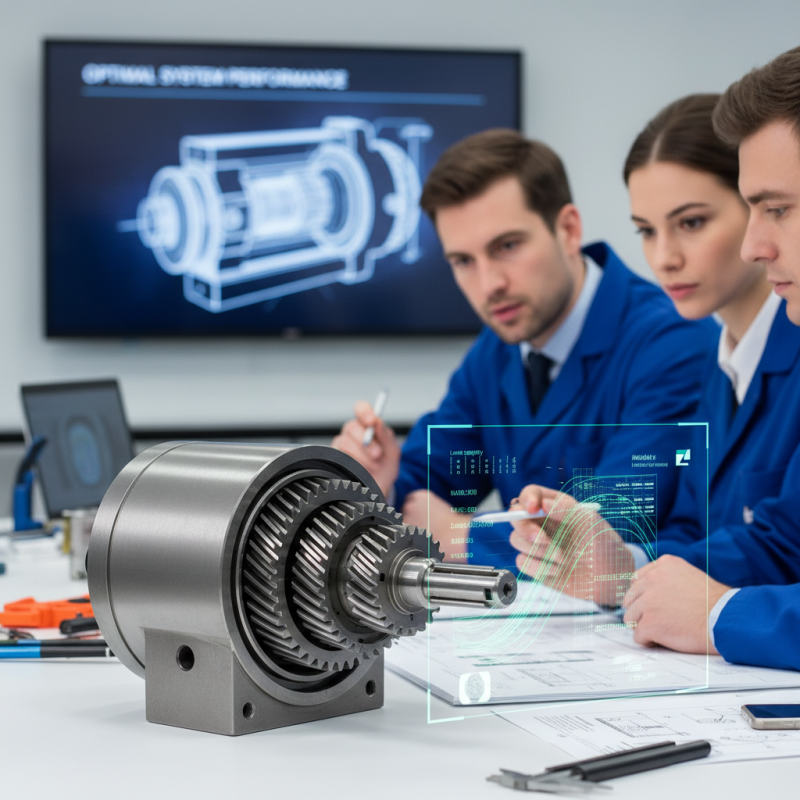
Cylindrical gearboxes are essential in various applications, from industrial machinery to automotive systems. Understanding their basic components and functions can help in selecting the right one for your needs. A cylindrical gearbox typically consists of a cylindrical housing, gears, bearings, and often includes lubrication systems. The alignment of gears within the gearbox critically influences how power is transmitted and maximizes efficiency.

When choosing a cylindrical gearbox, consider factors like load capacity and speed requirements. Ensure that the gearbox can handle the application's torque specifications. It's vital to assess the operating environment. Harsh conditions may require specialized materials or additional protective features. Regular maintenance can enhance longevity but requires planning and resources.

Tip: Always consult technical specifications. This will provide a clearer understanding of what each gearbox can achieve. Another tip: don't overlook gear ratios, as they directly impact performance. Lastly, evaluate cost versus performance. Sometimes a higher initial investment leads to better efficiency and less downtime in the long run.


Key Factors Influencing Gearbox Selection: Size, Ratio, and Load Capacity

When selecting a cylindrical gearbox, consider critical factors like size, ratio, and load capacity. These elements can significantly influence performance and longevity. The size of the gearbox should match the space constraints of your application. A too-large gearbox can lead to inefficiencies, while a too-small one can compromise strength.

Load capacity is another vital consideration. Ensure the gearbox can handle the expected loads without exceeding its limits. An overloaded gearbox can fail prematurely, causing costly downtime. Assess the maximum torque and force your project requires. Keep in mind that some projects may require a safety margin.

Tip: Always review the gear ratio. This affects the speed and torque output of your system. A higher ratio increases torque but reduces speed, while a lower ratio has the opposite effect. Understanding these dynamics is crucial to achieving your operational goals. Don't overlook the critical need for thorough testing, either. Real-world applications often reveal issues not visible in theoretical calculations.

Evaluating Material and Manufacturing Techniques for Durability and Efficiency

When selecting a cylindrical gearbox, the choice of materials and manufacturing techniques is crucial. Durable materials extend the lifespan of the gearbox. For instance, high-grade steel is often preferred for its strength and wear resistance. Aluminum can be a lighter alternative, but it may not always sustain heavy loads. Understanding the specific requirements of your application helps narrow down the best choices.

Manufacturing techniques, such as precision machining and heat treatment, play a significant role in gearbox performance. Precision machining ensures tight tolerances, which minimize backlash and enhance efficiency. Heat treatment can harden the surface, improving wear characteristics. However, not all processes guarantee uniformity. Variability in techniques could lead to inconsistencies in performance. A thorough evaluation of suppliers can mitigate these risks.

It's essential to assess the expected operating conditions. Consider factors such as load, speed, and environmental exposure. A gearbox that performs well under nominal conditions might fail in extreme situations. Engaging with engineering professionals can provide insights into material selections and manufacturing strategies for better durability and efficiency. Balancing these factors often requires a thoughtful approach, as each situation presents unique challenges.

Assessing Efficiency Ratings and Performance Metrics in Gearbox Designs

When selecting a cylindrical gearbox, performance metrics are crucial. Efficiency ratings reveal how much input power is converted to output power. Typically, the efficiency ranges from 90% to 98%. Data shows that gearboxes with higher efficiency lead to lower operational costs.

Consider the load capacity as well. Performance data indicates that the right gearbox can handle up to 25% more torque than a competition model. This capability enhances durability and reduces maintenance needs. However, many overlook the noise levels. Significant variations exist, with some gearboxes operating at 70 dB or higher, which can be disruptive.

Take time to compare various designs. Look into the quality of materials used, as this impacts longevity. Up to 30% of gearbox failures stem from material fatigue. Although some providers claim to offer robust solutions, user feedback often reveals inconsistencies. Balancing efficiency, capacity, and noise while seeking feedback is vital for informed choices.

Maintenance Considerations: Ensuring Longevity and Reliability in Gearbox Operation

Maintaining a cylindrical gearbox is crucial for its longevity and optimal performance. Regular inspections help identify wear and tear before they escalate into significant issues. Check the lubrication levels periodically. Insufficient lubrication can lead to overheating and damage. Use the manufacturer’s recommendations for the appropriate lubricant. The right oil can make all the difference.

Operational conditions also play a big role in gearbox longevity. High dust or moisture levels can introduce contaminants. They can affect both lubrication and gear surfaces. Installing proper seals can minimize these risks. It’s also wise to monitor operating temperatures closely. Elevated temperatures often signal underlying problems.

Adjusting maintenance schedules based on actual usage is an effective approach. Many operators follow a set timeline, but this may not suit all conditions. Overworking or underutilizing the gearbox can skew wear patterns. It’s beneficial to track operational hours and load conditions. Such data allows for more tailored maintenance approaches, enhancing reliability and ultimately extending the gearbox's life.

Kontaktbox-Frau

  • CNC-STEP – Quick contact