10 Granulation Machine Buying Tips for Global Buyers
Buying a Granulation Machine is rarely a simple equipment purchase. It affects material flow, production speed, energy use, cleaning routines, and final product consistency. Global buyers must look beyond polished brochures and attractive prices. A machine that performs well in one factory may struggle with a different climate, raw material, or electrical standard.
This guide presents ten practical buying tips based on common equipment evaluation experience. It considers granulation method, output capacity, particle-size control, contact materials, automation, maintenance access, and supplier support. Buyers should request sample testing with their actual materials, not only rely on demonstration videos. A clear test report can reveal heat buildup, uneven granules, excessive dust, or difficult discharge. Small details matter. Ask about screen replacement time, spare-part availability, noise levels, and cleaning procedures.
Technical knowledge alone is not enough. Reliable purchasing also requires checking certifications, factory records, warranty terms, installation support, and compliance with applicable local requirements. These requirements can differ significantly between markets. Do not assume one certificate satisfies every destination. That assumption can become expensive. A careful buyer should compare total ownership cost, including shipping, commissioning, training, energy consumption, and downtime risks. Some decisions remain uncertain until the machine is tested under real operating conditions. That is normal, but it should be documented honestly. With disciplined questions and independent verification, this Granulation Machine buying process becomes more transparent, practical, and defensible for international production teams.
Define Your Granulation Requirements and Production Goals
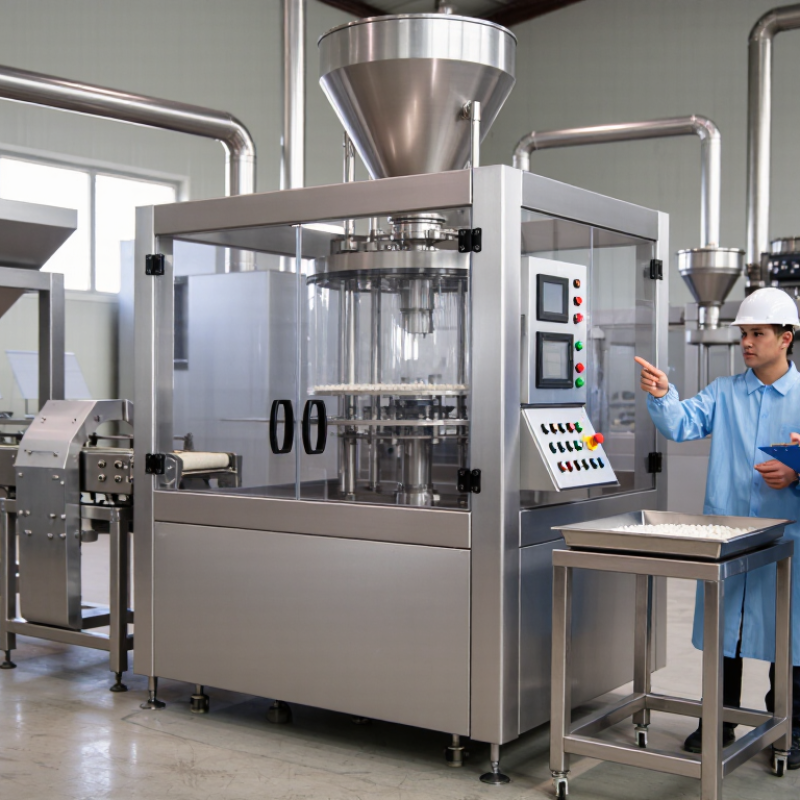
Before comparing granulation machines, define the product and production target clearly. Record material type, moisture level, bulk density, particle size, and flow behavior. These details affect machine selection more than advertised capacity. A powder that looks free-flowing may bridge inside the feeder. We learned this during a pilot test.
Tip: Write the hourly output as a range, not one fixed number. Include current demand, seasonal peaks, and expected growth. Also define acceptable granule size, moisture content, temperature, and final strength. Production goals should include changeover time, cleaning requirements, labor availability, and energy limits. Small details matter.
Test realistic samples before placing an order. Ask for a trial using your actual formulation, not a similar substitute. Measure yield, fines, temperature rise, and screen performance. Check whether the machine handles starts, stops, and uneven feeding without unstable output. Our first capacity estimate was too optimistic because we ignored cleaning time. That mistake was expensive in planning terms. Review the complete process, including feeding, granulation, drying, screening, packaging, and dust control. A machine can meet its rated output yet fail your real production goal. Keep written test records, acceptance limits, and operator feedback for a reliable purchasing decision.
Compare Machine Types, Materials, and Granulation Methods
When comparing granulation machines, start with the material, not the advertised output. A knife granulator suits brittle plastics and produces controlled flakes. An extrusion granulator handles thermoplastic compounds with steady feeding and heat. High-shear systems work better when powders need dense, uniform agglomerates.
Granulation method changes the equipment requirements. Wet granulation uses liquid binders, so the machine needs corrosion-resistant contact parts and reliable drying afterward. Dry granulation avoids added moisture and suits materials sensitive to heat or water. Melt granulation uses controlled thermal energy, but uneven heating can create oversized lumps. Watch the temperature closely. It matters.
Material selection deserves equal attention. Stainless steel may resist moisture, while hardened alloy parts can handle abrasive minerals. Soft polymers can smear on poorly cooled blades. Fine powders may escape through unsuitable seals or screens. During an earlier equipment comparison, I focused too much on hourly capacity and missed cleaning time. That mistake affected labor costs and product consistency. Ask suppliers for trials using your actual feedstock, moisture level, particle size, and target output. Request screen data, power consumption, noise levels, and maintenance intervals. Regional voltage, safety standards, spare-part access, and operator training also influence reliability. A machine can perform well in a test room and still disappoint on a humid production floor. Always inspect the discharge pattern.Winvalid
Evaluate Capacity, Energy Use, and Operating Performance
10 Granulation Machine Buying Tips for Global Buyers
When evaluating a granulation machine, start with real production capacity, not the advertised maximum. A stated output may assume ideal material, stable moisture, and continuous feeding. In practice, dust, uneven particle size, or frequent cleaning can reduce throughput. Ask for test data using material similar to yours. Record kilograms per hour, operating temperature, and downtime during the trial.
Tips: Compare energy use per finished tonne. A machine with a higher purchase price may consume less electricity over several years. Check motor efficiency, heating requirements, and standby consumption. Request measured power data at different loads, rather than relying on a single laboratory figure. Small differences matter.
Operating performance should remain stable during long shifts. Examine feed consistency, pellet uniformity, vibration, noise, and temperature control. Ask how quickly operators can adjust settings and replace wear parts. Remote regions may face longer delivery times, so maintenance access deserves careful attention. I once focused too heavily on hourly output and underestimated cleaning time. That mistake changed the real cost calculation. Also review safety documentation, control-system reliability, and training requirements for local staff. A practical acceptance test can reveal problems that polished specifications hide.
Check Safety Features, Maintenance Needs, and Spare Parts
When buying a granulation machine, inspect safety features beyond the product brochure. A guarded cutting chamber should prevent access during operation. Emergency-stop buttons must be easy to reach and clearly marked. Check whether the machine restarts automatically after power returns. It should not. Ask for evidence of electrical testing, overload protection, and safe discharge procedures. I once overlooked the position of an emergency stop during a factory visit. The button was technically present, but a nearby pipe blocked quick access. Small details matter. Request a live demonstration with your intended material, not only an empty-machine test.
Maintenance needs should match your technicians, working hours, and production environment. Ask how often blades, screens, seals, bearings, and drive components require inspection. A practical supplier should provide maintenance intervals, lubrication points, torque settings, and cleaning instructions. Look for tool access around the cutting chamber. Difficult access increases downtime and encourages rushed work. Spare parts deserve equal attention. Confirm part numbers, material specifications, prices, and estimated delivery times before signing. Keep critical wear parts in stock locally when possible. I once assumed a common bearing would be available everywhere, but its unusual housing caused a long delay. That assumption was costly. Also check whether service staff can provide remote troubleshooting and clear replacement guidance.
10 Granulation Machine Buying Tips for Global Buyers
Recommended evaluation weight by purchasing priority
Safety features, maintenance requirements, and spare-parts availability should receive the highest attention when comparing granulation machines. Buyers should also verify throughput, energy use, cleaning access, material compatibility, automation, documentation, installation support, and total cost of ownership.
Assess Suppliers, Compliance Standards, Pricing, and After-Sales Support
When buying a granulation machine globally, assess the supplier before comparing prices. Request factory photos, production records, reference projects, and operator training plans. A credible supplier should explain capacity, feed material, moisture limits, particle size, and energy consumption clearly. Ask for a live test using material similar to yours. Small details matter. Check weld quality, access doors, bearing protection, and cleaning time.
Compliance documents should match your destination and machine configuration. Confirm electrical ratings, guarding, emergency stops, noise limits, and applicable safety certifications. Do not accept generic certificates without model numbers or testing details. Ask who prepares the technical file and how updates are handled. Local inspection may still be required. Requirements differ between countries, and assumptions create expensive delays.
Compare the complete cost, not only the purchase quotation. Include freight, installation, spare screens, tooling, customs charges, training, and expected maintenance. A low quote can hide weak support. Get warranty terms, response times, remote troubleshooting procedures, and spare-parts availability in writing. Ask whether common parts can be supplied locally. A practical lesson is uncomfortable: even a careful checklist misses something. Plan a factory acceptance test, document performance results, and keep payment linked to agreed milestones. That protects both sides without pretending risk can disappear.