What is Heat Shrink Wrap and How to Choose the Best?
Heat Shrink Wrap is a versatile material widely used for packaging, insulation, and protection. This plastic film shrinks tightly when heated, creating a secure seal around products. Many businesses rely on heat shrink wrap for various applications, from shipping to industrial use. However, selecting the best heat shrink wrap can be overwhelming due to various options available in the market.
Understanding your specific needs is crucial. Temperature resistance, thickness, and material type all play significant roles in choosing the right product. Mistakes can be costly; using the wrong heat shrink wrap might damage items or fail to provide adequate protection. Expert insights suggest evaluating the features of each product before making a decision.
Many individuals underestimate the importance of proper selection. Taking time to research can prevent issues down the line. Each type of heat shrink wrap serves different purposes, and a more informed choice leads to better outcomes. Focus on your priorities: durability, flexibility, or ease of use. Ultimately, the right heat shrink wrap enhances protection and efficiency in your endeavors.
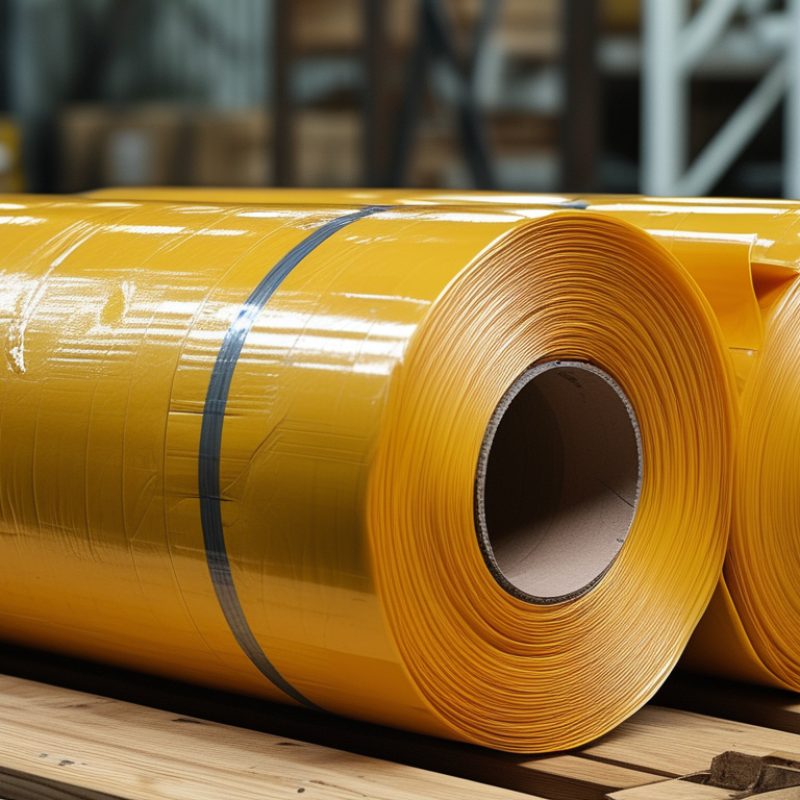
Definition and Properties of Heat Shrink Wrap
Heat shrink wrap is a versatile material used for packaging and protecting a variety of items. Its main property is the ability to shrink when heat is applied, creating a tight seal around the object. This is achieved due to the plastic’s molecular structure, which contracts under heat. When discussing its definition, it’s crucial to highlight the different types available. Each type has unique features catering to specific needs. For instance, some are designed for light-duty applications, while others excel in heavy-duty environments.
Choosing the right heat shrink wrap can be challenging. Consider factors such as thickness, clarity, and shrink ratio. Thicker films provide better durability but may require more heat to shrink effectively. In contrast, clearer films allow for better visibility of the packaged item. It's essential to evaluate the intended use. A warehouse might require strong, resilient films, while a retail store may prioritize aesthetic qualities. Engaging in trial and error might be necessary to find the perfect match. Observing how the material performs during actual use can lead to informed choices in future projects.
Types of Heat Shrink Wrap Materials and Their Applications
Heat shrink wrap comes in various materials, each tailored for specific applications. Polyolefin is widely used for its adaptability and resistance to moisture. This material shrinks tightly around items when heated, creating a protective layer. According to industry data, about 40% of packaging applications utilize polyolefin due to its excellent clarity and durability.
PVC is another common choice, often employed for its cost-effectiveness. It's ideal for standard packaging applications and offers decent stretchability. However, its environmental impact raises concerns. A 2022 survey revealed that 65% of companies are reconsidering PVC use due to sustainability pressures.
The selection of heat shrink wrap should depend on the application at hand. For instance, food packaging often requires materials that are FDA-approved, while industrial items may prioritize puncture resistance. Knowing the specific needs can prevent waste and improve efficiency. The material's characteristics must align with its intended use, or inefficiencies might arise. It's vital to weigh flexibility against the need for durability in packaging solutions.
Factors to Consider When Choosing Heat Shrink Wrap
When choosing heat shrink wrap, several factors come into play. The thickness of the material is crucial. Thicker wraps provide more protection but may require more heat to shrink. Typically, a thickness of 2 to 6 mils works well for various applications. Consider the type of items you’ll wrap. Larger or oddly shaped products might need a wider wrap for effective coverage.
Temperature resistance also matters. Different applications may expose the wrap to varying heat levels. Ensure you select a shrink wrap that can withstand the temperatures relevant to your environment. Additionally, evaluate the clarity of the wrap. In cases where visibility is key, opting for clear material is advisable. Remember that not all heat shrink wraps perform equally under stress. Testing samples before the final decision can save time and resources.
Don’t overlook the ease of use. Some wraps are more user-friendly than others. A less flexible wrap may require more effort to apply, which could lead to frustration. We all face challenges when finding the right product. Do your research and explore user reviews, but also reflect on your own experiences. This balance can help you make a more informed decision.
Heat Shrink Wrap Characteristics
Tips for Proper Installation and Use of Heat Shrink Wrap
When it comes to heat shrink wrap, installation plays a crucial role in achieving the desired results. Start by selecting the appropriate shrink wrap based on your project's needs. Different sizes and materials provide various levels of durability and flexibility. Ensure that you have all necessary tools handy, including a heat gun for optimal shrinking.
Prepping your items is essential. Clean the surfaces thoroughly to allow for better adhesion. While wrapping, avoid overlapping layers, as this can lead to uneven shrinkage. It may seem tempting to rush, but take your time to wrap smoothly. Any creases can result in less effective protection. Remember, not every wrap will shrink perfectly on the first attempt, so be ready to reapply when necessary.
After installation, test the wrap for tightness and durability. It might feel secure, but exposing it to various environments can reveal flaws. Adjustments might be needed over time as conditions change. Don't hesitate to reflect on your techniques and outcomes. Each project offers a learning opportunity, and perfecting the process takes practice and patience.
What is Heat Shrink Wrap and How to Choose the Best? - Tips for Proper Installation and Use of Heat Shrink Wrap
| Dimension | Description | Recommended Use |
| Material Thickness | Thickness can vary from 2 mil to 10 mil, affecting durability. | Choose thinner for lighter applications and thicker for heavy-duty use. |
| Shrink Ratio | Common shrink ratios include 2:1, 3:1, or 4:1, indicating how much the wrap can shrink. | Select based on the size reduction required for your items. |
| Temperature Rating | Heat shrink wraps have different temperature resistance ratings. | For applications involving high heat, choose rated wraps. |
| Color Options | Available in various colors, including clear, black, and colored options. | Choose color based on visibility needs or identification. |
| Application Method | Can be applied using heat guns, ovens or other heating devices. | Select an application method based on the scale and type of job. |
Common Mistakes to Avoid When Using Heat Shrink Wrap
When using heat shrink wrap, common mistakes can lead to frustrating results. One frequent error is incorrect temperature settings. Too high a temperature can damage the wrap, causing it to burn or tear. Too low a temperature may not provide a tight seal, leaving items exposed. Always check the manufacturer's recommendations before starting. This will save time and material.
Another mistake is not preparing the items properly. Ensure surfaces are clean and dry. Dust or moisture can prevent a good seal. Sometimes, people skip this step in a rush, leading to issues later. Additionally, cutting the wrap too small is common. If it’s not large enough to cover the entire item, the protection is compromised. Measure carefully before cutting to avoid waste.
Finally, overshrinking can also be a problem. While heat shrink wrap is designed to conform to shapes, excessive heat can create an uneven finish. This makes the product look unprofessional. Instead of a perfect fit, you might end up with a wrinkled surface. Being mindful of these details can enhance your heat shrink wrap experience. The smallest misstep can lead to larger issues down the road. Reflect on the process to improve future outcomes.