


How to Choose a Quick Connect Coupler in 2026?
Choosing a Quick Connect Coupler in 2026 is not just a matter of matching thread size. The right choice depends on the fluid, working pressure, temperature, flow rate, connection frequency, and the conditions around the equipment. A coupler beside a dusty excavator faces different demands from one on a clean pneumatic assembly line. Small details matter. A connection that looks correct may still restrict flow or be difficult to operate with gloves.
The U.S. Department of Energy’s Improving Compressed Air System Performance: A Sourcebook for Industry reports that leaks can waste 20–30% of compressed-air production in industrial systems. That figure describes system-wide losses, not coupler performance alone, but it shows why connection quality deserves attention. A leaking seal, mismatched profile, or worn mating surface can add avoidable loss. For hydraulic applications, pressure rating, material compatibility, and safe pressure-release procedures also need careful review. Standards such as ISO 4414 and ISO 16028 offer useful references for pneumatic safety and flat-face hydraulic couplings.
A practical selection starts with the manufacturer’s pressure and flow specifications, then checks the actual hose, media, and operating environment. Compare interchangeability claims carefully; similar-looking profiles are not always compatible. Not the label alone. This guide explains the key checks, common trade-offs, and questions to ask suppliers before purchase. One honest limitation: no checklist can replace testing a sample under real operating conditions. That step takes time, but it can reveal fit or handling problems that a catalogue misses.
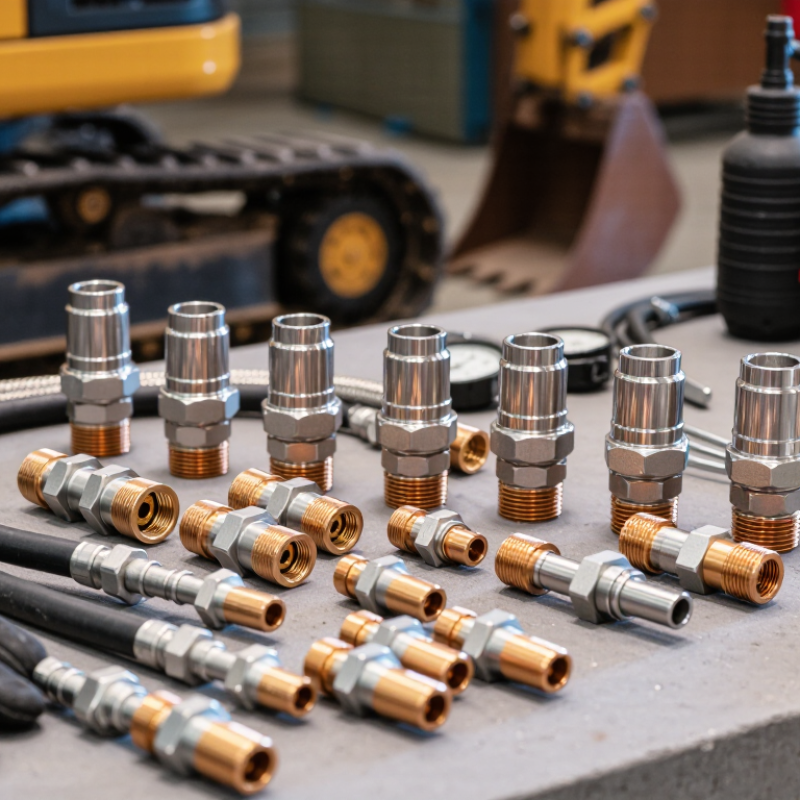
Identify the Fluid, Pressure, and Temperature Requirements
How to Choose a Quick Connect Coupler in 2026?
Identify the fluid, pressure, and temperature before comparing coupler sizes. A coupler suitable for water may not suit oil, cleaning chemicals, or compressed air. Check the fluid’s composition and consult the coupler’s material compatibility information. Look beyond the normal operating pressure. Account for pressure spikes, and confirm the ratings of both halves and the connected hose. Temperature matters, too. A hot line or cold outdoor installation can change seal performance and material limits. Record the expected minimum and maximum temperatures, not just the usual reading.
Tips: Keep a simple spec note beside the equipment. List fluid, operating pressure, possible surges, and temperature range. Include the connection type and required flow rate. Small details matter.
Then compare those requirements with the manufacturer’s technical documentation. Do not assume that similar-looking couplers share the same pressure rating or seal materials. If the fluid blend is uncertain, verify compatibility with a qualified supplier before installation. Also consider how the coupler will be used: frequent connection, vibration, or occasional exposure to dirt may affect the choice. A tidy spec sheet can still miss real operating conditions. Check the actual system, and revise your notes when conditions change.

Choose the Coupler Type and Connection Standard
How to Choose a Quick Connect Coupler in 2026?
Choose the Coupler Type and Connection Standard
Start with the fluid and duty, not just the thread size. A hydraulic coupler must handle pressure pulses and oil exposure; an air-line fitting has different flow and sealing requirements. For hydraulics, compare ISO 7241 profiles with ISO 16028 flat-face couplers, designed to limit fluid loss during connection and disconnection. For pneumatic service, check the applicable ISO 6150 series and pressure class. Standards are not interchangeable. Confirm the series, size, and profile on both halves. A matching thread alone proves little. That mistake is common.
Next, verify working pressure, temperature range, flow capacity, and material compatibility against the equipment manual. Check thread form and pitch: NPT, BSPP, and metric threads can look deceptively similar. Match the plug and socket to the specified profile, then check pressure-drop data at your required flow. A smaller bore may fit, but restrict flow and slow a cylinder. Small detail.
The U.S. Department of Energy’s Improving Compressed Air System Performance guide estimates that leaks in poorly maintained plants can waste 20–30% of compressor output. That figure describes system-wide losses, not coupler losses alone, but it underscores the value of sound seals and routine leak checks. Record the chosen standard and pressure rating at each service point; labels can fade, so verify them during maintenance.
Match Materials, Seals, and Flow Capacity to the Application
How to Choose a Quick Connect Coupler in 2026?
Match the coupler body to the fluid, operating temperature, and surroundings. Stainless steel can suit washdown or corrosive environments; brass may work for many general-purpose air and water lines. Check the manufacturer’s pressure and temperature ratings against real operating peaks, not just average conditions.
Small detail. A seal exposed to an incompatible fluid can swell, harden, or leak. Confirm seal compatibility using the fluid name, concentration, and temperature—not a broad label such as “chemical resistant.”
Flow capacity matters just as much. Compare the coupler’s flow coefficient, or Cv, and pressure-drop data with the equipment’s demand. A fitting that physically connects may still restrict a tool or cylinder, especially on a long hose.
The U.S. Department of Energy’s Improving Compressed Air System Performance sourcebook reports that leaks can waste 20–30% of compressor output in poorly maintained systems. A worn or mismatched coupler is one place to inspect, though it is not the only possible leak source.
Before choosing, verify connection size, shutoff behavior, and whether both halves must be changed. Catalog figures help, but actual pressure and flow conditions deserve a final check.
That check is easy to skip.
Verify Safety, Compatibility, and Current Compliance Requirements
How to Choose a Quick Connect Coupler in 2026?
Verify Safety, Compatibility, and Current Compliance Requirements
A coupler that fits physically may still be unsafe. Check the system’s working pressure, temperature range, and fluid or gas before selecting one. Compare the connection profile, thread type, and seal material with the equipment specifications. Similar-looking fittings are not always interchangeable. Do not guess.
Look closely at the pressure rating, including any limits that apply during temperature changes or pressure surges. Confirm that the coupler’s materials suit the application, especially when seals contact oils, water, or cleaning fluids. Follow the equipment maker’s instructions for installation and testing. Before disconnecting, isolate the line and release trapped pressure using the approved procedure. A small leak can matter.
Compliance requirements can change and may depend on the product, workplace, and location. Check current regulations and relevant technical standards for your specific application. Request current documentation, such as material details, pressure ratings, and applicable conformity records, from the supplier. Keep those records with maintenance logs. A checklist can still miss a mismatch, so have a qualified technician verify the assembled connection before service.
How to Choose a Quick Connect Coupler in 2026? — Verify Safety, Compatibility, and Current Compliance Requirements
| Selection Check | What to Verify | Practical Selection Guidance | Safety and Compliance Evidence |
|---|---|---|---|
| Application and fluid | Identify the medium, such as hydraulic oil, water, compressed air, fuel, or a process chemical. Check concentration, contamination, and any cleaning or sterilization requirements. | Select a coupler and seal materials rated by their manufacturers for the actual fluid and service conditions. Do not assume that couplers that look alike are interchangeable. | Review the product’s technical data and chemical-compatibility information. For regulated services, confirm applicable industry and site requirements. |
| Working pressure and pressure spikes | Confirm maximum working pressure for the complete connection, including both halves, seals, adapters, and attached hose or tube. Account for surge, pulsation, and transient pressure. | Use the lowest applicable component rating as the system limit. Do not treat burst pressure as a permissible operating pressure. | Obtain published working-pressure ratings and the manufacturer’s stated test basis. Check that the rating covers the intended temperature and duty cycle. |
| Temperature and materials | Check the minimum and maximum operating temperatures of the fluid, environment, body material, and seals. | Choose body and seal materials that suit the fluid and temperature range. A seal that works with one fluid or temperature may not suit another. | Verify documented temperature limits and material compatibility; assess corrosion exposure and any relevant site or process restrictions. |
| Interface and interchangeability | Match the coupler profile, size, connection thread or end form, and applicable dimensional specification. Confirm the exact series and mating-half requirements. | Use mating halves specified as compatible by their manufacturers. Similar appearance or nominal size alone does not establish safe interchangeability. | For hydraulic quick-action couplings, check whether ISO 7241 or ISO 16028 applies to the selected type. Confirm the required specification and edition for the application. |
| Flow capacity and pressure drop | Compare required flow with the coupler’s published flow data and pressure-drop curve, where available. | Choose a size that meets system flow needs without creating unacceptable restriction, heat, or performance loss. A larger nominal connection does not by itself guarantee adequate flow. | Use manufacturer flow data for the actual operating conditions and verify the result in the system design. |
| Connection, disconnection, and residual pressure | Determine whether connection or disconnection will occur under pressure, and whether pressure can remain trapped in either half. | Use a design specifically rated for the required connection procedure. Depressurize as instructed unless the coupler is expressly designed for the relevant under-pressure operation. | Follow the manufacturer’s instructions and the machine’s isolation and energy-control procedures. Confirm the design’s stated limits for residual pressure. |
| Locking and accidental release | Check the locking mechanism, sleeve operation, retention, and the likelihood of impact, snagging, or vibration in service. | Choose a connection with a positive, fully engaged lock for the application. Train users to verify engagement and keep sealing surfaces clean. | Review installation and inspection instructions, including any secondary locking or guarding requirements specified for the equipment. |
| Applicable standards and local rules | Identify the equipment type, industry, jurisdiction, and any customer or site specifications that govern the installation. | For hydraulic systems, ISO 4413 provides general safety requirements; for pneumatic systems, ISO 4414 provides general safety requirements. These standards do not make every coupler suitable for every application. | Confirm the currently adopted edition, local legal requirements, and any required conformity documentation with the relevant authority or qualified safety professional before purchase and installation. |
| Inspection, maintenance, and replacement | Check for leakage, damaged seals, corrosion, worn locking parts, contamination, and difficulty connecting or disconnecting. | Set inspection and replacement intervals based on manufacturer guidance, operating severity, and site procedures. Replace damaged parts and use specified replacement seals. | Keep installation, inspection, and maintenance records where required by the equipment or site program. Never use a leaking or visibly damaged connection. |
Important: There is no universal quick-connect coupler for all fluids, pressures, profiles, or applications. Verify the complete assembly and the requirements applicable at the installation location; standards and regulations may be revised or adopted differently by jurisdiction.
Compare Maintenance Needs, Availability, and Total Cost
In 2026, compare quick connect couplers by maintenance demands, replacement availability, and lifetime cost—not purchase price alone. Check seal materials, rated pressure, flow capacity, and expected connection cycles against the actual operating conditions. A coupler that is awkward to clean or requires uncommon seals can turn a minor leak into a maintenance delay. Small parts matter.
The U.S. Department of Energy’s Improving Compressed Air System Performance sourcebook estimates that leaks can waste 20–30% of compressed-air output in poorly maintained systems. That figure applies to system leaks, not couplers alone, but it shows why seal inspection and prompt replacement deserve attention.
Ask suppliers for documented service intervals and stocked replacement parts, then check whether compatible couplers are readily available locally. Downtime adds up. Estimate total cost across purchase, inspections, spare seals, replacements, and lost operating time.
A lower-priced model may still be the better choice, but only if its flow rating and service life fit the job. I would not treat published cycle-life figures as guarantees; real dust, vibration, and handling can change the result.
Article Source:
Siemensstraße 13-15
47608 Geldern
NRW Deutschland
Mail: sale@atmmachinesolutions.com
Head office:
+49 (0) 2831 91021-20
Fax:
+49 (0) 2831 91021-99
SUPPORT and INFO
from 3 p.m. to 6 p.m:
+49 (0) 2831 91021-60
( please ring for a long time )
Monday to Friday
8.00 – 12.30
and 13.00 – 15.00
Visit / collection by appointment only!
➣ Sign up for our newsletter
Benefit from a 20% discount, don’t miss any events and always stay up to date.
To access the actual content, click on the button below. Please note that data will be passed on to third-party providers.
More information