Top 10 PS Sheet Extrusion Line Manufacturers in 2026
Choosing a Ps Sheet Extrusion Line manufacturer in 2026 is not simply a matter of comparing machine prices. A line must deliver consistent sheet thickness, dependable output, and practical support for the materials and products a factory actually makes. Small details matter: screw design, die control, cooling rolls, winding or cutting systems, and spare-part availability. Operators notice these details during long shifts. A glossy brochure cannot show every production constraint.
This guide presents ten manufacturers for consideration and explains what buyers should examine before requesting quotations. Rather than treating a ranking as a guarantee, it considers product range, engineering capability, customization, service access, and available customer references. Company claims can change, and public information may be incomplete. Check specifications directly.
A useful inquiry should state resin type, sheet width and thickness, target output, downstream process, and operating conditions. Request a line layout, and clarify which output figures depend on particular materials or test conditions. Compare energy use, changeover time, installation scope, training, warranty terms, and service response times in writing. Then speak with reference customers, where possible. These checks are less exciting than machine photos. They are often more revealing.
The ten companies discussed here offer a starting point, not a final verdict. No supplier is perfect. Even a capable machine may disappoint if commissioning, operator training, or maintenance planning is weak. Conversely, a modest proposal may fit a specific plant better than a high-output system. That judgment deserves a second look. Use the list to frame focused questions, verify current capabilities, and match equipment to measurable production needs.
PS Sheet Extrusion Lines: Definition, Process, and Applications
Top 10 PS Sheet Extrusion Line Manufacturers in 2026
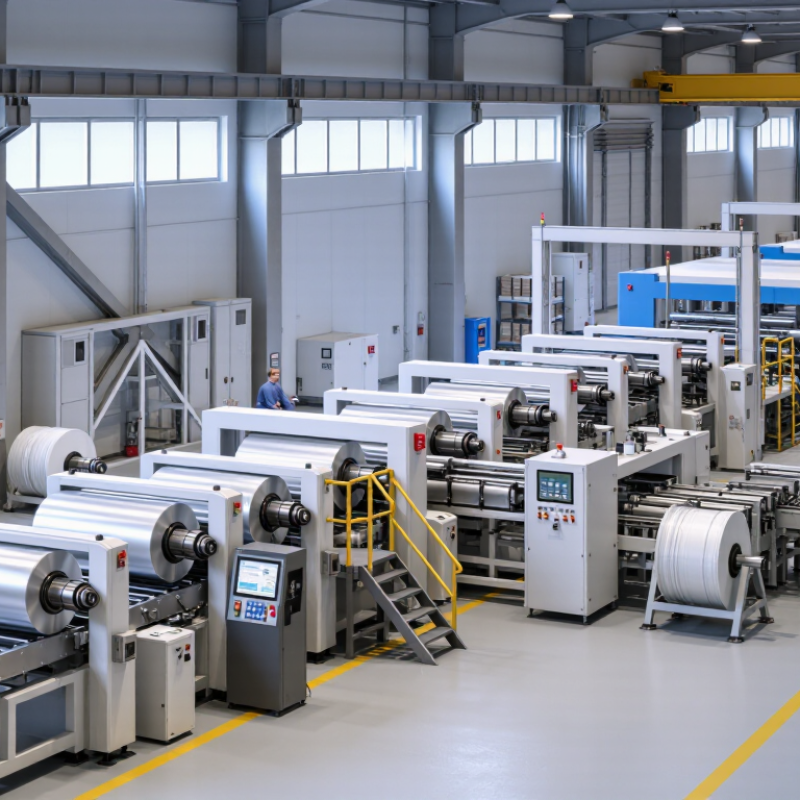
A PS sheet extrusion line turns polystyrene pellets into continuous, flat plastic sheets. The pellets are heated, melted, and pushed through a flat die. A chill roll then cools the sheet, while rollers control its thickness and surface. It sounds simple. In practice, temperature shifts and uneven cooling can cause curling or cloudy patches.
These lines typically include a feeding system, extruder, screen changer, die, cooling rolls, and winding or cutting equipment. Operators adjust screw speed, melt temperature, and roll pressure to match the required sheet thickness. PS sheets are used in food packaging, disposable trays, stationery, and formed retail displays. When comparing manufacturers in 2026, check whether the line supports your resin grade, target output, and downstream forming process. A fast line may still waste material if thickness varies across the sheet.
Tips: Ask for a sample run using your intended material. Measure thickness across the sheet, not just at the center. Review changeover time, cleaning access, and energy use. These details are easy to overlook during a showroom visit.
Key Criteria for Evaluating PS Sheet Extrusion Line Manufacturers
A PS sheet extrusion line manufacturer should be evaluated by how consistently its equipment handles your intended resin grades, sheet widths, and thicknesses. Ask for operating data under conditions close to your own, not only a headline output figure. During a factory trial, check whether the sheet stays even across its width and whether edge trim remains manageable. Small details matter.
Inspect the screw and barrel configuration, die adjustment range, temperature zones, and cooling-roll design. These affect melt consistency and the effort required to change production settings. Ask how quickly operators can stabilize thickness after a restart. Numbers can mislead. A fast line may be a poor fit if it produces frequent scrap or demands constant manual correction.
Service capability deserves equal attention. Clarify which wear parts are stocked, how technical support is delivered, and what training operators receive. Request references for installations with comparable products, then ask about actual maintenance intervals and downtime. Review the electrical drawings, spare-parts list, and acceptance-test criteria before ordering. A supplier’s documentation may look complete yet leave practical gaps; check who resolves those gaps and by when. No single specification proves reliability, so compare trial results, support commitments, and total operating needs together.
Top 10 PS Sheet Extrusion Line Manufacturers in 2026
Comparing the top 10 PS sheet extrusion line manufacturers in 2026 starts with the product, not the brochure. A buyer should match line capacity to the required sheet width, thickness, and daily output. For example, a packaging producer may need stable thin-gauge sheet, while a thermoforming shop may prioritize consistent heating and roll handling. Ask for measured samples, not just projected production figures.
A capable supplier should explain screw design, temperature zones, melt filtration, and cooling-roll control in plain technical terms. These details affect thickness variation, surface quality, and startup waste. Request operating data from a comparable installation, including energy use and material throughput. Small details matter. So does service: check spare-part availability, commissioning support, and operator training before comparing prices.
A neat specification sheet can still hide compromises. I would question any quoted output that lacks material grade, sheet thickness, and test conditions. It is also worth asking how quickly settings can be repeated after a product change. A demonstration run may look smooth, yet everyday production includes pauses, adjustments, and occasional scrap. That part is easy to overlook. Use the same acceptance criteria for all ten candidates, and record what each supplier can verify in writing.
Top 10 PS Sheet Extrusion Line Manufacturers in 2026
Buyer evaluation criteria and suggested weighting—not manufacturer rankings or surveyed market data.
Use these suggested weights to compare suppliers consistently. Prioritize production capacity, sheet-thickness capability, and product quality according to your application; adjust the weighting to fit your project.
Comparing Manufacturers by Technology, Capacity, and Service
A credible comparison of PS sheet extrusion line manufacturers starts with the finished sheet, not the headline speed. Ask how each line controls thickness across the full web, especially at edges and during material changes. Inspect the extruder, screen changer, die, chill rolls, and winding system as one process. A faster extruder is not useful if the rolls leave visible gauge variation. PlasticsEurope’s Plastics—The Fast Facts 2024 reports global plastics production of 413.8 million tonnes in 2023. That scale makes energy use and material efficiency relevant comparison points, even for a single sheet line. Ask suppliers for measured output using your resin, sheet width, and target thickness. Test results matter more than brochure figures.
Capacity should include stable, saleable output—not just maximum speed. OECD’s Global Plastics Outlook (2022) estimates that 353 million tonnes of plastic waste were generated in 2019, with only 9% recycled. This broader data does not predict PS demand, but it reinforces the value of accurate trim control and repeatable processing. Service deserves equal scrutiny. Compare commissioning plans, operator training, remote diagnostics, spare-part lead times, and local technician coverage. Request references from plants running similar sheet dimensions. Small details count. A weakness in many evaluations is trusting promised response times without checking them. Ask what happens when a drive fails on a weekend, and who owns troubleshooting after installation.
PS Sheet Extrusion Market Trends and Selection Considerations in 2026
In 2026, PS sheet extrusion buyers are balancing output, consistency, and material efficiency. Demand for lightweight packaging keeps rising, while converters want sheets that thermoform evenly and trim with less waste. Interest in recycled inputs is also growing, though feedstock variation can complicate color, impact strength, and gauge control. The trend is real; the results are not automatic.
When comparing a line, match its working width and output range to actual production orders, not brochure maximums. Ask for trial data on the intended resin and sheet thickness. Check screw design, melt filtration, die-lip adjustment, and the temperature stability of the cooling rolls. A difference of a few degrees can affect sheet appearance and forming behavior. Short changeovers matter, too, especially when operators switch thicknesses or formulations during a shift.
Useful selection criteria include energy use per kilogram, scrap rates, maintenance access, and availability of process support. Request clear service intervals and component specifications. Watch a production run if possible. A polished control screen proves little. Operators should be able to correct thickness drift without guesswork. One caveat: precise automation cannot compensate for inconsistent material or weak process discipline. Compare measured samples, not promises, and leave room in the evaluation for assumptions that may prove wrong.