


Top 10 Electric Motorcycle Wheels for Global Buyers

Electric Motorcycle Wheels are often treated as simple replacement parts, but the right choice affects handling, braking, durability, and serviceability. Global buyers face a varied market, from compact urban commuters to heavier motorcycles built for longer journeys. The International Energy Agency’s Global EV Outlook 2024 reports nearly 10 million electric two- and three-wheelers sold worldwide in 2023, representing roughly one-fifth of new sales. That growth makes careful component selection more important.

This guide compares ten wheel options through practical buying considerations: rim size, load rating, brake compatibility, hub-motor fit, materials, and access to replacement tires and spokes. A polished product photo tells only part of the story. Buyers should verify measurements against their motorcycle’s specifications and ask suppliers for clear fitment and warranty details. Fit matters. Even similar-looking wheels can differ in axle spacing, mounting points, or brake-disc alignment.

The IEA report provides market context, not a ranking of wheel quality; no single source can establish that every listed wheel suits every rider. Product availability and specifications may also change by region. That limitation deserves attention. A wheel that performs well on smooth city roads may not be the best choice for rough surfaces or frequent heavy loads. The selections below are intended as a starting point for comparing options, not a substitute for model-specific verification or advice from a qualified technician. Compare the details before buying.
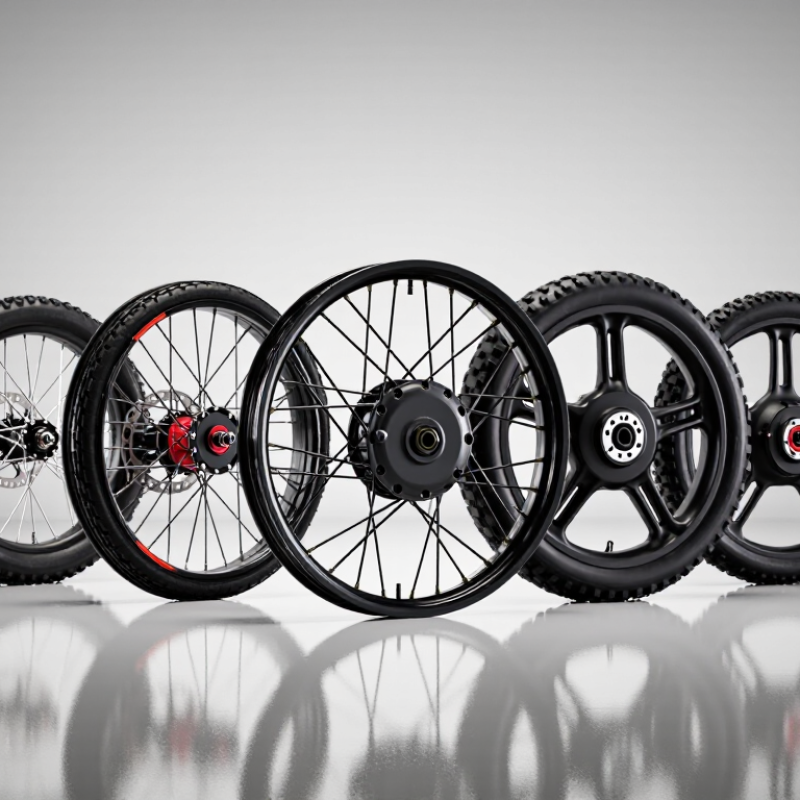
Top 10 Electric Motorcycle Wheels for Global Buyers

What Electric Motorcycle Wheels Are and How They Affect Performance

An electric motorcycle wheel is more than a round frame for a tire. Its assembly typically includes a rim, hub, spokes or a solid structure, and the tire itself. Some models place the motor in the hub; others drive the wheel through a separate motor and transmission. Small details matter. Wheel diameter, width, and total mass influence how the motorcycle responds to bumps, steering inputs, and acceleration.

A lighter wheel can reduce unsprung mass, helping the suspension follow uneven pavement. It may also feel more responsive when changing direction. But lighter is not automatically better. A wheel still needs enough strength for the motorcycle’s weight, braking forces, and intended road use. Tire choice matters just as much: tread, compound, and pressure affect grip, comfort, and rolling resistance. Lower resistance may support range, but no wheel choice can guarantee a specific distance.

For buyers comparing electric motorcycles, check the wheel and tire specifications alongside load ratings and brake compatibility. A wider tire may look reassuring, yet it can change steering feel and may not suit every chassis. Small differences can be hard to judge from a product listing. It is worth asking how replacement tires are sourced and whether the wheel is designed for the motorcycle’s actual motor and braking setup. The trade-off is rarely obvious at a glance.


Key Wheel Specifications Global Buyers Should Compare

Wheel fit is not a styling detail; it affects clearance, handling, and serviceability. The IEA’s Global EV Outlook 2024 estimates nearly 10 million electric two- and three-wheeler sales in 2023, around 15% of global segment sales. More buyers mean more varied designs. Compare rim diameter and width against the tire maker’s approved fitment range. A 17-inch rim alone tells you very little. Check axle diameter, hub width, bearing size, and brake-disc offset; a few millimetres can prevent clean installation. No single number tells enough.

Next, verify tire load and speed markings, using UNECE Regulation No. 75 as a reference for motorcycle tire requirements. Match rated load to the bike’s permitted weight, rider, passenger, and luggage—not just its battery mass. For hub-motor designs, confirm connector routing, axle flats, and torque-arm clearance. For spoke wheels, ask about spoke replacement and rim sealing; for cast wheels, inspect impact-repair guidance. Wheel mass matters, too, but published figures may exclude the tire, disc, or bearings. Ask for the complete assembly weight. I still see specification sheets that omit it. That gap makes comparison harder.

Wheel Materials, Sizes, and Compatibility Across Markets

Electric motorcycle wheels vary across markets, and a familiar size does not guarantee a direct fit. Check rim diameter and width, axle diameter, hub spacing, and brake mounting points before ordering. A few millimeters can affect clearance around the fork, swingarm, or brake caliper.

Material matters, too. Aluminum alloy wheels are relatively light and widely used, while steel can offer practical durability but adds weight. Neither choice is automatically better; load rating, construction quality, and intended road conditions matter. For rough pavement, inspect the wheel’s stated load capacity and ask for test documentation. Small details count.

Sizing labels can be confusing. A tire’s marked diameter is not the same as the wheel’s rim diameter, so compare the manufacturer’s fitment data rather than guessing from appearance. Spoke and cast wheels may also use different hubs, bearings, or brake interfaces. When replacing a wheel, confirm compatibility with the motorcycle’s model year and existing components. I have seen buyers focus on the rim and overlook the axle or sensor location; that mistake can turn a promising purchase into a costly return. Regional measurements and product descriptions are not always consistent, so request a dimensional drawing when specifications seem incomplete.

Top 10 Electric Motorcycle Wheels for Different Riding Needs

Electric motorcycle wheels should match terrain, load, and motor layout—not just appearance. For tight city streets, a compact, lighter wheel can feel easier to turn. A standard commuter setup favors durable rims and readily available tire sizes. For wet roads, prioritize dependable tire grip and inspect tread grooves regularly.

Small details matter.

Long-distance riders may prefer stronger rims and tires with stable profiles. Highway use calls for checking the motorcycle’s specified load and speed ratings. Gravel roads benefit from reinforced wheels and tires with more open tread. Trail riding demands impact resistance, though extra weight can dull steering.

Cargo riders need capacity verified for the complete wheel assembly. For nimble handling, a lighter front wheel may help, provided braking and suspension remain compatible. All-weather riders should consider corrosion-resistant hardware and sealed bearings.

These ten setups serve different priorities, not every rider equally. Check axle dimensions, brake-disc fit, sensor clearance, and hub-motor compatibility before buying. A wheel may fit the frame yet sit out of alignment. Easy to miss. Verify the manufacturer’s specifications, then have a qualified technician inspect the installation. A rugged wheel can feel heavy on a daily commute, while a lightweight option may need gentler use.

Safety, Maintenance, and International Purchasing Considerations

Choosing among the top ten electric motorcycle wheels starts with fit and safety, not appearance. Check rim diameter, width, axle size, bearing dimensions, brake-rotor offset, and any ABS sensor ring. For hub-motor wheels, confirm connector and controller compatibility too. A wheel that looks identical may still shift the brake disc by a few millimeters. That is enough to cause rubbing. The WHO’s Global Status Report on Road Safety 2023 attributes about 21% of road traffic deaths to powered two- and three-wheeler users, a sobering reason to verify load ratings and inspect wheel alignment.

Tips: Before ordering, photograph your existing wheel and measure the axle and rotor position. Ask the seller for the wheel’s rated load, compatible tire sizes, and installation guidance. After fitting, check spoke tension, fasteners, tire pressure, and brake clearance. Recheck them after the first few rides.

For international purchases, request clear specifications, packing details, and written warranty terms before payment. Customs fees, delivery times, and service access can vary by destination; confirm these with the seller and local carrier. The IEA’s Global EV Outlook 2024 reports roughly 10 million electric two- and three-wheelers sold worldwide in 2023, reflecting a fast-growing market with varied vehicle designs. A part listed as “universal” may not be universal in practice. I would treat that label cautiously, especially when wheel dimensions or replacement support are unclear. Keep the invoice and product measurements in case a return is needed.

Top 10 Electric Motorcycle Wheels for Global Buyers — Safety, Maintenance, and International Purchasing Considerations

A reference chart of ten common motorcycle tire-size designations. Rim diameter is taken from the size marking; this is not a popularity ranking or a guarantee of vehicle fitment.

The first number in each tire-size designation indicates nominal section width in millimetres, and the number after the hyphen indicates nominal rim diameter in inches. Before buying internationally, verify the vehicle maker’s approved size, load and speed ratings, rim compatibility, and local requirements. Maintain tires at the specified pressure and inspect them regularly for wear or damage.

Kontaktbox-Frau

  • CNC-STEP – Quick contact