What Are the Top Types of Cosmetic Packaging?
Cosmetic Packaging does more than hold a formula. It protects delicate products, guides daily use, and shapes what shoppers notice on a crowded shelf. A glass serum bottle feels cool and substantial; an airless pump helps limit contact with the remaining product. Small choices matter. They also involve trade-offs: heavier materials may feel premium, but they can be less convenient to ship and handle.
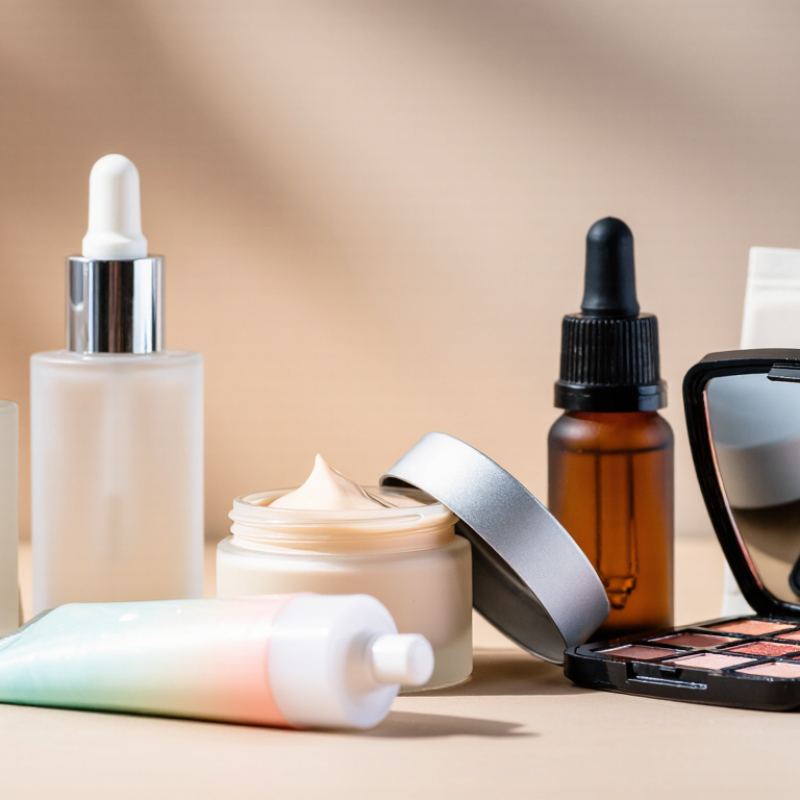
Beauty-packaging designer Marc Rosen has said, “Packaging is the first physical conversation a beauty product has with its customer.” That idea offers a useful lens for comparing the main formats. Bottles suit liquids, oils, and lotions, while jars make creams easy to reach but expose more product during use. Tubes are portable and squeezable. Pumps and droppers offer more controlled dispensing, though their parts can complicate recycling. Compacts and palettes protect powders and make color products easier to carry. No format wins every time.
This guide looks at the top types of Cosmetic Packaging, including bottles, jars, tubes, pumps, droppers, compacts, and flexible packs. It considers material, closure, dispensing, shelf appeal, and practical handling. A neat package is not automatically a better one. The best choice depends on the formula, the user, and how the product will be stored and shipped. Some decisions remain imperfect. That deserves a closer look.
Cosmetic Packaging by Function: Primary, Secondary, and Tertiary Formats
Cosmetic packaging serves three functions: primary, secondary, and tertiary. Primary packaging directly holds the formula. Think of a glass serum bottle, a lotion pump, or a compact jar. Its material and closure affect dispensing, product protection, and the feel in a customer’s hand. A pump can limit contact with air and fingers, but it may leave product trapped inside. That trade-off deserves testing.
Secondary packaging surrounds the primary pack, often as a folding carton or sleeve. It can carry instructions and protect a bottle from scuffs on a shelf. Tertiary packaging groups products for storage and transport, using shipping cases, dividers, and pallets. These layers are easy to overlook. Yet the OECD’s Global Plastics Outlook (2022) reports that packaging generated 40% of plastic waste globally in 2019. This figure covers all packaging, not cosmetics alone, but it underscores why material choices across every layer matter.
Tips: Match each layer to its job. Use sturdy dividers when glass bottles travel, and avoid oversized cartons that add bulk without meaningful protection. Check whether customers can separate materials easily. A package may look efficient on a design screen and still be awkward to recycle or empty in real use. Small details matter.
Glass Bottles and Jars: Protective Containers for Sensitive Formulas
Glass bottles and jars can help protect sensitive cosmetic formulas from air, moisture, and handling. Glass is generally nonreactive, so it is less likely to interact with ingredients than some packaging materials. But the full package matters. Caps, liners, droppers, and pumps can affect how well a formula stays protected.
Light needs special attention. Amber or opaque glass can reduce exposure, while clear glass displays a product but offers less light protection. A dropper bottle may help dispense serum in measured amounts. A pump can limit repeated contact with fingers and air, though it does not guarantee an airtight seal. Small design choices make a difference.
Jars are easy to access, but each opening exposes more of the product. A clean spatula may help, yet it can be inconvenient in daily use. Glass also has drawbacks. It is heavier than many alternatives and can break if dropped, especially near a sink. It is tempting to treat glass as automatically safer; that is too simple. Formula compatibility and stability should be checked in the chosen container, including its closure, before packaging decisions are made.
Plastic Tubes, Pumps, and Airless Packs: Packaging Generates 40% of Global Plastic Waste (OECD)
What Are the Top Types of Cosmetic Packaging?
Plastic tubes, pumps, and airless packs serve different products, but each can add to plastic waste. The OECD reports that packaging accounts for about 40% of global plastic waste. That figure covers packaging broadly, not cosmetics alone.
A face cream tube is convenient and light, while a pump bottle helps dispense liquid without dipping fingers into it. Airless packs can limit contact with air and help dispense thick formulas. They are not automatically easier to recycle.
Material choices matter. A tube with several bonded layers may protect its contents but complicate recycling. Pumps often combine plastic parts with small metal springs, making separation difficult. Airless containers can also use multiple components.
Where suitable, simpler designs and clearly identified materials may help recyclers handle packaging more effectively. Yet one format will not fit every formula. Convenience still wins too often, and packaging choices deserve more scrutiny.
Tips: Check whether the container is made from one material, and empty it before disposal. Follow local recycling guidance; rules and accepted items vary. A recyclable label alone does not guarantee that a package will be collected or processed.
Metal Aerosols and Compacts: Durable Formats for Controlled Dispensing
Metal aerosols and compacts offer durability with different kinds of control. An aerosol valve delivers a measured spray, while its metal can shields the formula from light and handling. European Aerosol Federation industry statistics reported about 5.3 billion aerosol units produced in Europe in 2022. Personal care was among the major application categories. That scale reflects established demand, but it does not prove every formula needs an aerosol. Compacts suit powders and solid products: a hinged case, fitted pan, and mirror keep application tools close at hand. Metal components can resist dents better than many lightweight alternatives, though hinges and coatings still wear.
Tips: Test the spray pattern, valve consistency, and leak resistance with the intended formula. For compacts, inspect hinge movement and closure after repeated use. Small details matter.
Packaging choices need practical testing. A fine mist may feel elegant, yet an uneven spray can waste product. A compact may look sturdy, but mixed materials can complicate sorting after use. These are easy details to overlook. Specify the metal type, coating, and component separation early, then check how the finished pack performs during transport and everyday handling.
Paperboard and Refillable Packs: EU Packaging Waste Recycling Reached 65.4% in 2022 (Eurostat)
Eurostat reported that 65.4% of packaging waste in the EU was recycled in 2022. This figure covers packaging overall, not cosmetics alone. Still, it gives cosmetic companies a useful measure of the wider recycling system. Paperboard cartons can fit into familiar recycling streams when they are kept clean and use few mixed materials.
Think of a small face cream box: a simple paperboard sleeve may protect the jar while avoiding a complex outer layer. Good design matters. Foil, plastic windows, and heavy coatings can make sorting harder. Paperboard is not automatically recyclable everywhere, either; local collection rules and mill processes vary. That detail is easy to overlook.
Refillable packs offer another route, but reuse must happen often enough to offset extra material and transport. A sturdy outer case with a replaceable inner container can make refilling practical. It also needs clear instructions and an easy-to-clean shape. Not every customer will refill it. That is the imperfect part. Packaging choices work best when designers assess material weight, recycling access, and real reuse habits—not just the promise on the label.