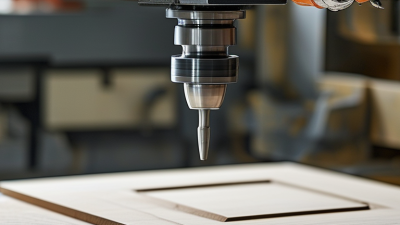


Why Choose a CNC Wood Carving Machine?
A cnc wood carving machine can turn a carefully drawn idea into a repeatable wooden part. It can cut signs, cabinet doors, relief panels, furniture components, and detailed prototypes. The process begins with a digital design, toolpath planning, material selection, and a secure workholding setup. Each step matters. A small error in measurement can appear across an entire production batch.
Edward Ford, a respected CNC educator and Shapeoko founder, offers a practical reminder: “The machine is only as good as the design, setup, and operator behind it.” This principle explains why experienced woodworkers do not treat automation as magic. They check spindle speed, cutting depth, feed rate, dust collection, and bit condition before pressing start. A clean test cut often prevents a costly mistake.
The strongest reason to choose a cnc wood carving machine is controlled consistency. It can reproduce the same pattern while reducing repetitive manual work. It also gives craftspeople more time for finishing, assembly, and creative decisions. Still, the machine requires learning. Software can feel confusing, and the first carved edge may be rougher than expected. That is part of the process.
A reliable machine should match your materials, workspace, production volume, and skill level. Solid calibration matters. So does operator training and responsible workshop practice. When technology supports judgment rather than replacing it, CNC carving becomes more than faster cutting. It becomes a practical bridge between digital design and tangible craftsmanship.
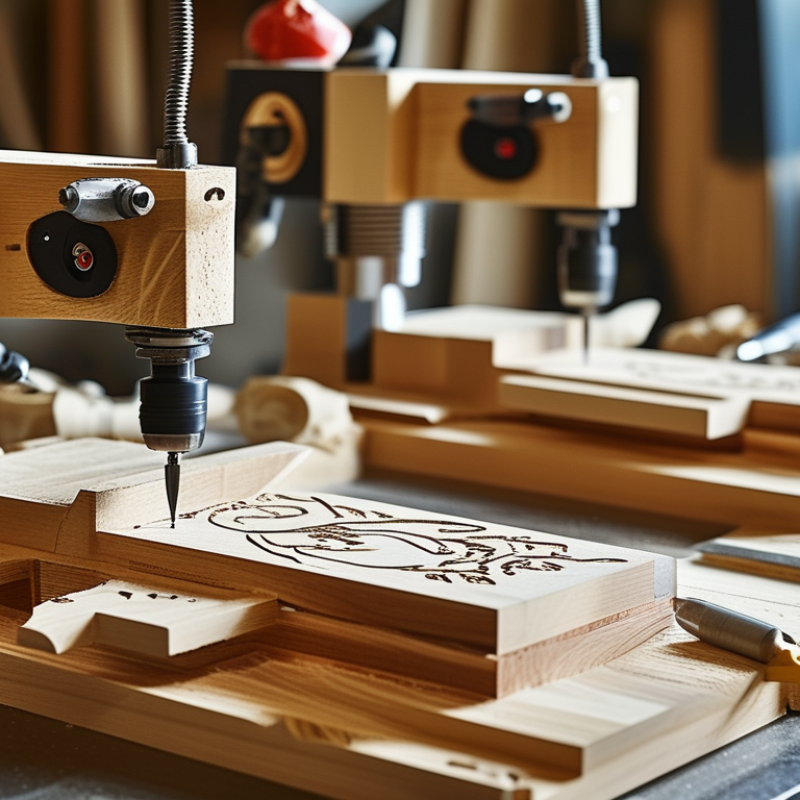
What Is a CNC Wood Carving Machine?
A CNC wood carving machine is a computer-controlled tool that cuts, engraves, and shapes timber with programmed accuracy. CNC means computer numerical control. The operator creates a design in CAD software, converts it into CAM toolpaths, and sends those instructions to the machine controller. A spindle then moves along three, four, or five axes. It removes material layer by layer.
The workpiece may be plywood, hardwood, MDF, or laminated panels. A typical job begins with measuring the board, fixing it firmly, and setting the cutting depth. The machine can carve a shallow sign, cut cabinet joints, or produce a detailed relief. Tool choice matters. A flat end mill removes broad areas, while a V-bit creates narrow lettering. Dust extraction is essential. So is checking the toolpath before cutting.
Industry figures show why this technology receives attention. Grand View Research estimated the global CNC machine market at about 83.8 billion dollars in 2023, with projected growth through 2030. MarketsandMarkets also forecasts continued expansion, although its market boundaries and figures differ. That difference deserves caution. Reports may include metalworking equipment, not only wood routers. In practice, CNC does not remove every skill. It transfers much of the repetition to software and setup. It is not magic. Errors remain. A loose board, incorrect zero point, or excessive feed rate can ruin expensive wood within minutes.
How Does CNC Wood Carving Technology Work?
Why Choose a CNC Wood Carving Machine?
CNC wood carving begins with a digital drawing or 3D model. Design software defines lines, depths, curves, and cutting areas. CAM software then converts this information into toolpaths and G-code. The controller reads each command and moves the cutting head along the X, Y, and Z axes. The spindle removes material layer by layer. It feels almost automatic, but small errors still matter.
A practical operator checks the tool diameter, cutting speed, feed rate, and wood grain before machining. A dull bit can burn edges. Excessive speed can produce rough walls. Dust extraction also protects visibility and machine movement. According to Grand View Research, the global CNC machine market is projected to grow at about 9.5% annually from 2024 to 2030. This growth reflects demand for repeatable production, not effortless production.
Accuracy depends on calibration, rigidity, and software settings. ISO 230-1 provides methods for evaluating machine-tool geometric accuracy. That standard does not guarantee perfect carvings. Material moisture can still cause movement after cutting. A carved panel may match its digital file closely, yet sanding can soften fine details. This is an imperfect process. Skilled users inspect the first piece, measure critical areas, and adjust the next toolpath. The real advantage is controlled repetition, especially for relief patterns, furniture parts, and detailed signs.
What Advantages Does CNC Wood Carving Offer?
A CNC wood carving machine turns a digital design into controlled cutting movements. In a workshop, this precision helps create matching panels, signs, reliefs, and furniture details. Small measurements matter. A difference of one millimeter can change how two parts fit.
One major advantage is repeatability. After testing the toolpath, the machine can reproduce the same pattern with consistent depth and spacing. This saves time on repeated work and reduces manual marking. It also supports detailed carving that may be tiring by hand, such as fine lettering or layered textures. Different wood types produce different results, though. Softer boards can tear, while dense timber may require slower cutting. CNC is useful, but it is not magic. Poor design files still create poor parts.
Tips: Secure the wood firmly before cutting. Check the bit, cutting depth, and feed rate first. Make a small test carving on scrap wood. This simple step can reveal grain direction, unwanted vibration, or rough edges. Keep dust collection effective and wear suitable eye and hearing protection. Experienced operators still inspect the first piece carefully, because an incorrect setting can waste both material and time. Allow room for mistakes. They often show where the process needs improvement.
Why Choose a CNC Wood Carving Machine? - What Advantages Does CNC Wood Carving Offer?
| Advantage | How CNC Wood Carving Helps | Typical Practical Result | Best-Fit Applications |
|---|---|---|---|
| Repeatable Accuracy | A programmed toolpath guides the cutting tool along the same coordinates for every workpiece. | Consistent dimensions and patterns across repeated parts, provided the material, tooling, and machine are properly set up. | Furniture components, signs, panels, templates, and decorative product lines. |
| Complex 2D and 3D Designs | Digital design files can be converted into toolpaths for reliefs, contours, lettering, pockets, and intricate shapes. | Detailed patterns can be reproduced without manually redrawing or measuring every feature. | Relief carvings, ornamental panels, 3D signs, artistic plaques, and prototypes. |
| Improved Productivity | The machine performs programmed cutting and can continue a repeatable operation with limited manual intervention. | More production time can be spent on setup, finishing, inspection, and preparing the next job. | Small workshops, custom orders, batch production, and time-sensitive projects. |
| Design Flexibility | Changing a digital design usually requires editing the file or toolpath rather than rebuilding a physical pattern. | Custom sizes, names, logos, motifs, and one-off designs can be produced more efficiently. | Personalized gifts, interior décor, architectural models, and custom furniture. |
| Reduced Manual Rework | Automated routing, profiling, drilling, and carving reduce the need for repeated hand cutting and manual layout. | Less dependence on highly specialized hand-carving skills for repeatable geometric work. | Grooves, holes, slots, edge profiles, lettering, and repeated decorative details. |
| Material Versatility | With suitable cutters, feeds, speeds, and workholding, CNC routers can process many wood-based materials. | A single machine may handle solid wood, plywood, MDF, particleboard, and some wood composites. | Cabinet parts, furniture panels, craft products, signs, and construction templates. |
| Digital Workflow | CAD and CAM software connects design, toolpath planning, simulation, and machine operation in one workflow. | Design revisions and file-based production are easier to document and reproduce. | Design studios, education, product development, and digitally managed workshops. |
| Scalable Production | The same verified program can be used for prototypes and larger quantities, with adjustments for material and tooling. | Production methods can scale without creating a new manual pattern for every unit. | Prototype-to-production work, repeat orders, and standardized product collections. |
| Safer, More Organized Operation | The operator controls the process from outside the cutting zone, while guards, emergency stops, dust extraction, and correct procedures help manage risk. | Less direct contact with cutting edges during the machining cycle; operator training and safety controls remain essential. | Professional workshops, maker spaces, technical schools, and production environments. |
Note: Actual accuracy, cutting speed, surface finish, productivity, and operating cost depend on machine construction, spindle and cutter selection, material properties, workholding, software settings, maintenance, and operator skill.
Which Materials and Projects Suit CNC Wood Carving?
A CNC wood carving machine becomes useful when material choice matches the cutter, grain, and finish. In practice, plywood offers stable sheets for cabinet doors, maps, and layered signs. MDF cuts cleanly for painted reliefs and templates. Solid hardwood adds warmth, but knots and changing grain demand slower feeds and sharper tools. Test pieces matter.
FAO’s Global Forest Products Facts and Figures 2023 recorded roughly 391 million cubic metres of wood-based panels produced worldwide in 2022. That scale supports plywood and MDF for repeatable commercial work. Suitable projects include carved wall panels, lettering, furniture inlays, toy prototypes, and shallow bas-reliefs. Dense hardwood suits detailed heirloom pieces, while softer wood works better for larger textures. Acrylic and soft plastics may also be possible with suitable cutters, though they require different feeds and dust control.
Moisture can quietly ruin accuracy. The USDA Forest Products Laboratory’s Wood Handbook notes that interior wood commonly reaches about 6–8% moisture content in conditioned spaces. I still occasionally overtrust a perfect preview. A board can warp after machining. Start conservatively. Check grain direction, secure the workpiece firmly, and inspect the first pass before increasing depth. Projects should reward repeatability, not merely impressive detail.
What Factors Should Guide Your Machine Selection?
Why Choose a CNC Wood Carving Machine?
What Factors Should Guide Your Machine Selection?
Choosing a CNC wood carving machine should begin with your actual workload, not its advertised speed. Grand View Research valued the global CNC machine market at approximately 88 billion US dollars in 2023. Its report also forecasts strong growth through 2030, driven by automation and precision demand. Those figures suggest opportunity, but they do not guarantee profitability for every workshop.
Measure your largest intended panel first. A generous working area helps with furniture parts, yet an oversized machine can waste floor space and increase maintenance costs. Check spindle power, collet compatibility, positioning accuracy, and dust extraction design. For detailed relief carving, control and repeatability usually matter more than maximum feed speed. Software compatibility also deserves attention. A machine is only useful when operators can prepare reliable toolpaths without constant correction.
Tips: Request a sample cut using your own wood. Test delicate grain, deep pockets, and repeated pieces. Ask for measured tolerances, not vague claims. Review ISO 230-1 testing principles where applicable. Safety features, emergency stops, guarding, and training support should be verified before purchase. The U.S. Occupational Safety and Health Administration stresses effective machine guarding and hazard control. I would not judge value from price alone; a cheaper machine may create more sanding, rework, and downtime. My own selection checklist would include service response time, spare-part availability, and operator skill, though these factors are easy to underestimate.
Why Choose a CNC Wood Carving Machine?
What Factors Should Guide Your Machine Selection?
A suitable CNC wood carving machine should match the required workpiece size, material hardness, production volume, cutting accuracy, and operating environment. Typical woodworking routers use spindle power from about 1.5 to 9 kW, working areas from approximately 600 to 2,000 mm, feed rates from 4,000 to 24,000 mm/min, and positioning repeatability commonly around 0.02 to 0.10 mm. Select higher specifications when processing hardwood, thick panels, large furniture parts, or continuous production workloads.
Related Posts
-
Discover the Best CNC Router Kit for Your Business Needs?
-
10 Best Industrial CNC Machines for Maximum Precision in 2023
-
The Ultimate Guide to Maximizing Efficiency with Industrial CNC Machines
-
How to Optimize Your DIY CNC Router for Precision and Speed Using Expert Techniques
-
Why Choose a CNC Wood Router Machine for Your Woodworking Needs?
-

Why Choose a Desktop CNC Router for Your Business Needs?

Siemensstraße 13-15
47608 Geldern
NRW Deutschland
Mail: sale@atmmachinesolutions.com
Head office:
+49 (0) 2831 91021-20
Fax:
+49 (0) 2831 91021-99
SUPPORT and INFO
from 3 p.m. to 6 p.m:
+49 (0) 2831 91021-60
( please ring for a long time )
Monday to Friday
8.00 – 12.30
and 13.00 – 15.00
Visit / collection by appointment only!
➣ Sign up for our newsletter
Benefit from a 20% discount, don’t miss any events and always stay up to date.
To access the actual content, click on the button below. Please note that data will be passed on to third-party providers.
More information