Why Choose a Liquid Ring Vacuum Pump?
Why Choose a Liquid Ring Vacuum Pump?
Choosing a Liquid Ring Vacuum Pump begins with understanding the process, not chasing impressive specifications. In chemical plants, food facilities, and paper mills, operators often value stable performance over extreme vacuum levels. A rotating impeller forms a sealing liquid ring inside the casing. This design handles wet gas, vapor, and occasional liquid carryover with practical resilience.
John F. O’Hanlon, a respected vacuum-technology author, stated, “The purpose of a vacuum pump is to remove gas molecules from a volume.” That simple explanation remains useful. A Liquid Ring Vacuum Pump removes process gases while the liquid ring supports compression and sealing. Water is common, but oil or compatible process liquids may suit demanding applications better.
The benefits become visible on the factory floor. A properly selected pump can start reliably, tolerate moisture, and operate without complex dry-running seals. It can also provide quiet, continuous service when cooling, liquid quality, and discharge conditions are controlled. Maintenance teams should inspect corrosion, bearing temperature, seal condition, and liquid consumption. Small changes often reveal larger process problems.
No pump is perfect. Liquid ring systems can consume significant water and lose efficiency when liquid temperature rises. Poor sizing creates unnecessary energy costs. A careful engineer therefore checks suction pressure, gas composition, vapor load, liquid compatibility, and required flow before choosing equipment. This article examines those decisions honestly. It explores where the Liquid Ring Vacuum Pump delivers dependable value, where it may disappoint, and how real operating experience should guide the final choice.
How Liquid Ring Vacuum Pumps Work
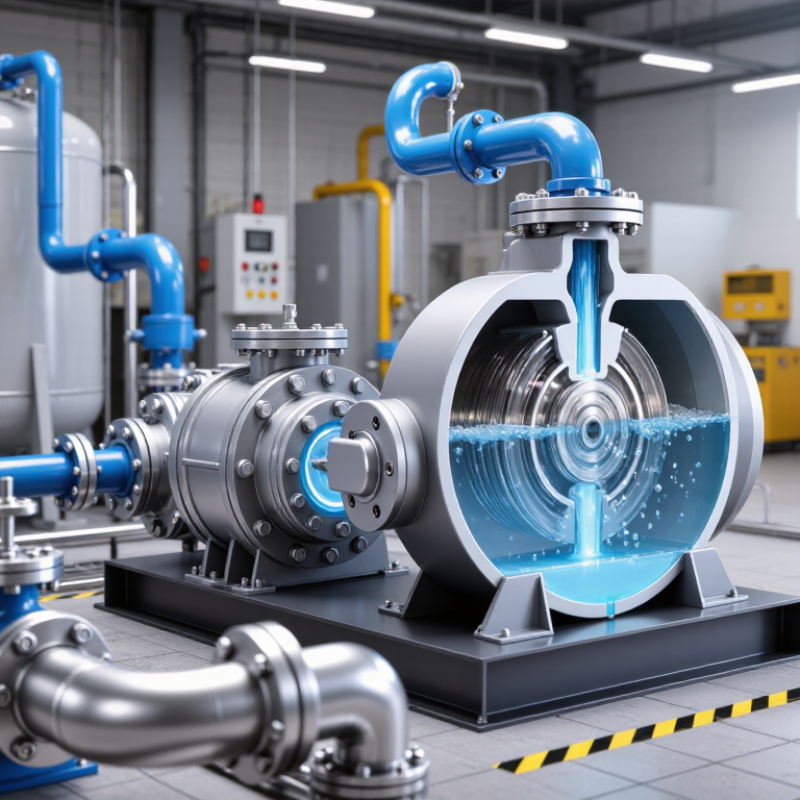
A liquid ring vacuum pump creates vacuum through a rotating impeller and a sealing liquid, usually water or another compatible fluid. The impeller sits slightly off-center inside the casing. As it turns, centrifugal force pushes the liquid against the casing wall and forms a moving ring.
This ring creates separate pockets between the impeller blades. Gas enters these pockets near the suction port. Their volume decreases as the impeller rotates, compressing the gas before discharge. The liquid also removes heat and helps seal small internal clearances. The process is mechanical and continuous.
Simple, but sensitive.
In practical operation, liquid temperature matters greatly. Warmer liquid has higher vapor pressure and can limit the achievable vacuum. A separator can remove discharged liquid, while a heat exchanger may control recirculated fluid temperature. Operators should check inlet restrictions, seal-liquid flow, vibration, and unusual noise during routine inspections.
Wet gases are often handled well. However, dissolved chemicals or abrasive particles can damage internal surfaces and contaminate the liquid circuit. I have seen troubleshooting become harder when operators monitor only ultimate vacuum. Pump speed, gas load, liquid quality, and system leaks must be considered together. A clean gauge reading does not always prove efficient operation. The overlooked detail may be the liquid itself.
Key Advantages of Liquid Ring Vacuum Technology
Why Choose a Liquid Ring Vacuum Pump?
Liquid ring vacuum technology offers practical advantages in demanding industrial environments. A rotating impeller forms a liquid seal inside the casing, creating vacuum without sliding contact between metal surfaces. This design tolerates wet gases, vapors, and small liquid carryover better than many dry alternatives. That matters near condensers, evaporators, and filtration equipment.
Reliability is a major benefit. The liquid ring absorbs heat and reduces internal friction, helping the pump operate steadily during long production cycles. There are fewer tightly fitted wearing parts. Maintenance can therefore become more predictable, although seal-water quality still deserves daily attention.
The U.S. Department of Energy reports that pumping systems can represent up to 25% of industrial electricity use, according to its Improving Pumping System Performance sourcebook. Correct sizing remains essential because an oversized vacuum pump can waste power continuously.
The technology also supports stable operation under changing loads. Operators can adjust the seal-liquid flow, control vacuum levels, and monitor discharge temperature at the skid. In food processing, chemical production, and paper manufacturing, this tolerance can reduce unplanned interruptions.
It is not perfect. Water consumption, corrosion, and discharge treatment may increase operating costs.
A 2023 report from the International Energy Agency highlights the growing industrial importance of energy efficiency and process optimization, but vacuum equipment is often assessed too narrowly. Buyers should examine total lifecycle demand, not only the purchase price. A cooler, quieter pump may still perform poorly if the system leaks.
Industries and Applications for Liquid Ring Vacuum Pumps
Liquid ring vacuum pumps serve demanding industries because they tolerate moisture, vapor, and occasional liquid carryover. Their sealed design supports stable vacuum generation in chemical processing, food production, pulp and paper, mining, power generation, and wastewater treatment. In chemical plants, they assist solvent recovery, filtration, evaporation, and vacuum drying. Food manufacturers use them for deaeration, packaging, and gentle product transfer. Pulp mills often apply them to dewatering and paper-machine vacuum systems.
The U.S. Department of Energy reports that pumping systems can consume 25% to 50% of industrial facility electricity in some applications. Correct sizing therefore matters. A pump running far below its design point may waste energy and deliver unstable vacuum. In wastewater facilities, liquid ring pumps support priming, sludge dewatering, and biogas-related service, where wet gas can challenge dry vacuum equipment. The U.S. Environmental Protection Agency estimates that water and wastewater services use about 3% to 4% of national electricity in the United States. Small efficiency gains become significant.
Tips: Match seal liquid temperature, vapor pressure, corrosion resistance, and required vacuum range before purchasing. Operators should inspect the separator, monitor seal-water flow, and record motor load. Real conditions are often messier than specifications. An overlooked vapor load can change performance quickly. Review the selection with maintenance staff, not only the process engineer. Data from the U.S. DOE and EPA offers useful benchmarks, but site measurements remain more reliable than generic tables.
Factors to Consider When Choosing a Liquid Ring Pump
Why Choose a Liquid Ring Vacuum Pump?
Factors to Consider When Choosing a Liquid Ring Pump
Choosing a liquid ring vacuum pump starts with the process, not the catalog. Define the required vacuum level, gas flow, operating hours, and expected load changes. A pump suitable for steady vapor service may struggle during frequent startups. Fit matters.
The sealing liquid deserves careful attention. Its temperature, vapor pressure, cleanliness, and compatibility affect vacuum performance. Water is common, but some processes require another liquid to prevent contamination or corrosion. At a warm site, I would check vapor pressure before sizing the pump. This detail is often missed. A liquid that flashes easily can reduce the achievable vacuum and increase energy use.
Materials should match the gas, liquid, and cleaning procedure. Stainless steel may resist corrosion, but it does not solve every chemical problem. Review the impeller, casing, shaft seal, and separator as one system. Ask for tested capacity curves at the actual liquid temperature, not only standard conditions. Field experience also shows that oversized pumps can waste power and operate poorly at low loads. A smaller pump, or a staged arrangement, may be more stable. However, this choice needs verified data.
Maintenance access is equally important. Inspect the liquid supply, bearings, seals, and discharge separator regularly. Confirm noise limits, cooling needs, drainage, and local installation requirements before purchase. I would also request references from similar applications, while remembering that every process has its own surprises.
Operating, Maintenance, and Environmental Considerations
Why Choose a Liquid Ring Vacuum Pump?
Operating, maintenance, and environmental factors often decide whether a liquid ring vacuum pump is practical. Its rotating impeller creates vacuum through a sealing liquid, usually water. This design tolerates moisture, dust, and occasional liquid carryover better than many dry systems. That tolerance matters in chemical processing, food production, and filtration.
Energy use still deserves close attention. The U.S. Department of Energy reports that motor-driven systems consume about 70% of industrial electricity. A poorly sized pump can therefore create avoidable operating costs. Field checks should include suction pressure, seal-water temperature, leakage, and motor load. A warmer seal liquid reduces vacuum performance.
Blocked separators can also increase power demand. The calculation may look correct, yet real piping losses often change the result. I have seen maintenance teams adjust the pump before checking a partially closed valve.
Environmental performance depends on the sealing liquid. The European Commission’s Industrial Emissions reference documents emphasize water efficiency, monitoring, and wastewater control in industrial operations. A closed-loop seal-water circuit can reduce consumption and stabilize temperature. However, contaminated water requires proper treatment. Reusing it blindly can damage internal parts and increase downtime.
Tips: Measure actual vacuum demand before selecting capacity. Inspect bearings, seals, and separators on a fixed schedule. Record water flow, temperature, and motor current. Compare monthly trends, not single readings. Small deviations often appear before failure.