


Why Do You Need a Sludge Sensor?
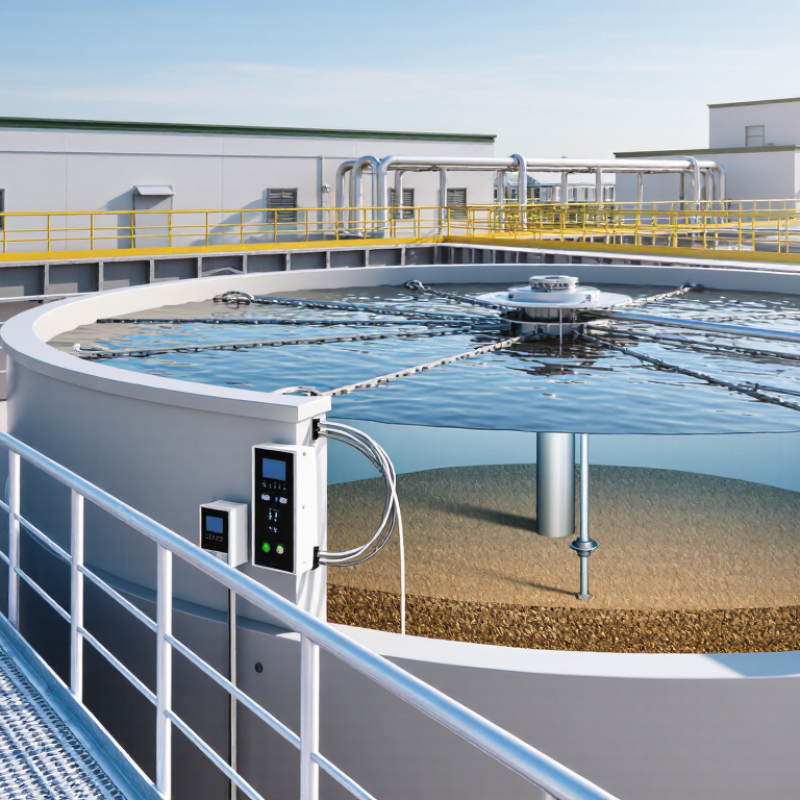
A sludge blanket can rise quietly inside a clarifier, hidden beneath a calm-looking surface. By the time poor settling or cloudy effluent becomes obvious, operators may already be adjusting pumps and wasting valuable process time. A Sludge Sensor helps make this hidden condition measurable. It tracks the position or concentration of solids, giving operators a clearer view of what is happening in the tank.
The right sensor can support more consistent sludge withdrawal, reduce unnecessary pumping, and provide useful data for process decisions. Its readings may help identify a rising blanket before it reaches a critical level. Small changes matter. Sensor choice depends on the application, including tank depth, solids characteristics, cleaning needs, and installation location. A device that performs well in one basin may struggle in another, especially when foam, turbulence, or changing sludge properties affect the signal.
Reliable monitoring is not simply a matter of installing equipment and trusting every reading. Sensors need suitable placement, routine inspection, and comparison with operating observations or sampling where appropriate. That takes attention. Even good instruments can drift, foul, or miss local variations in a tank. Understanding these limits is part of using the data responsibly. This guide explains why a Sludge Sensor matters, how it supports wastewater operations, and what to consider when selecting and maintaining one. The goal is practical: better visibility, fewer surprises, and decisions grounded in conditions operators can verify.
What a Sludge Sensor Measures
Why Do You Need a Sludge Sensor?
What a Sludge Sensor Measures
A sludge sensor tracks the boundary between settled solids and clearer water in a clarifier. It typically reports sludge blanket depth, measured from the sensor to the sludge-water interface. Operators use that reading to adjust sludge withdrawal and spot a rising blanket before solids escape with the treated water. That is the core measurement. It does not automatically reveal sludge quality.
Some instruments estimate solids concentration, but this depends on sensor technology and site calibration. An interface reading should not be mistaken for a lab measurement of suspended solids. EPA’s 2010 Nutrient Control Design Manual gives secondary clarifier design criteria, including surface overflow rates commonly in the range of 400–800 gallons per day per square foot. Those are design benchmarks, not sensor alarms; actual operating conditions matter. A blanket-depth trend can help operators judge whether settling and withdrawal are keeping pace.
Readings can shift with turbulence, bubbles, uneven sludge, or a fouled probe. A number can look precise and still mislead. Compare it with manual depth checks and visual observations, especially after maintenance or process changes. The sensor is useful, but it is not infallible. A small mismatch between the display and the tank may deserve investigation.

How Sludge Sensors Detect and Track Settling
Why Do You Need a Sludge Sensor?
How Sludge Sensors Detect and Track Settling
A sludge sensor helps operators track the boundary between settled solids and clearer water. Many models send an ultrasonic pulse through the tank and measure the returning echo. Changes in the echo can indicate where the sludge blanket sits. Optical sensors use light instead, so the detection method depends on the equipment. Neither reading tells the whole story. Air bubbles, uneven solids, and mixing can affect measurements.
Repeated readings show whether the blanket is rising, sinking, or staying stable. This trend can help staff adjust settling and sludge removal before solids carry over into treated water. For example, a sudden rise after a flow change deserves attention, but it may not prove a process failure. Check the sensor’s location and compare its readings with routine field observations. Still, that comparison can be imperfect.
Tips: Keep the sensing face clean, follow the maker’s calibration guidance, and log readings at consistent times. Note unusual flow or mixing conditions beside the data. Trends are useful. Context matters.
Where Sludge Sensors Are Used in Treatment Systems
Sludge sensors are used wherever solids settle and operators need a clearer view of the sludge blanket. In wastewater plants, common locations include primary clarifiers, secondary settling tanks, and sludge thickeners. A sensor mounted near the tank wall can track the boundary between settled solids and clearer water. That reading helps staff adjust sludge withdrawal before the blanket rises too far. It is a useful signal, not a substitute for checking the process.
In activated-sludge systems, blanket readings can help operators judge return-sludge pumping and spot unusual settling. In thickening tanks, sensors support decisions about when to draw off concentrated material. Some installations also use them in industrial treatment basins, where incoming solids may change quickly. The right location depends on tank geometry, mixing, foam, and the sensor’s measuring method. Readings can drift when probes foul or sludge properties shift. Check them against manual observations. Not the whole story.
Tips: Choose a mounting point away from strong turbulence and direct inlet flow. Keep access safe for cleaning. Compare sensor trends with periodic samples, especially after maintenance or process changes. If readings disagree, investigate before changing pump settings. Small checks matter.
Why Do You Need a Sludge Sensor? - Where Sludge Sensors Are Used in Treatment Systems
| Treatment Location | What the Sensor Monitors | Why Monitoring Matters | Typical Measurement Approach | Practical Considerations |
|---|---|---|---|---|
| Primary clarifier | The position of the settled-solids blanket and, where applicable, the interface between settled solids and clearer water. | Helps operators manage sludge withdrawal and avoid excessive solids accumulation or solids carryover into downstream treatment. | Fixed or scanning ultrasonic and optical instruments can detect changes in solids concentration or the sludge-water interface. | Performance depends on tank geometry, flow conditions, and the characteristics of the wastewater and settled solids. |
| Secondary clarifier | Sludge blanket depth in activated-sludge settling tanks. | Supports consistent return activated-sludge and waste activated-sludge control, and helps identify a rising blanket before solids escape with the effluent. | Ultrasonic or optical blanket-level sensors are commonly used; the reading may be integrated with a plant control system. | Blanket readings should be interpreted alongside settling tests, flow rates, and visual observations; one reading does not diagnose the cause of poor settling. |
| Sludge thickener | The settled-solids interface or sludge level, depending on the thickener design and sensor type. | Helps maintain an appropriate solids inventory and coordinate sludge withdrawal with thickener operation. | Interface-level monitoring is used where a distinct sludge-water boundary can be detected. | Thickened sludge can be highly variable; sensor placement and cleaning access are important for reliable readings. |
| Flotation treatment unit | The sludge layer or float blanket at the surface of a dissolved-air flotation (DAF) unit. | Can help operators manage skimming and sludge removal while maintaining the intended separation process. | Level or interface instruments may be selected to suit the float layer, surface conditions, and equipment layout. | Foam, splashing, and moving skimmer equipment can affect installation and signal reliability. |
| Sludge storage or holding tank | Sludge level or tank contents, depending on whether the process requires level measurement or solids-interface detection. | Helps prevent overfilling and supports scheduling of pumping, hauling, or transfer to the next treatment step. | Level sensors are used for inventory and high-level alarms; interface sensors are used when locating a sludge boundary is important. | Choose the measurement type for the actual operating need: a tank-level reading is not necessarily a sludge-blanket reading. |
| Anaerobic digester | Liquid or sludge level; specialized monitoring may be used where solids accumulation or stratification must be assessed. | Provides operational information for tank inventory and can support checks for abnormal accumulation. | Level measurement is selected for the vessel conditions; sludge-interface monitoring requires a sensor suited to the material and installation. | Digester contents may be mixed and produce gas. Instrument selection and installation must suit the vessel design and process conditions. |
| Sludge dewatering feed and process area | Feed-tank level or sludge inventory rather than a clarifier-style blanket in many installations. | Helps coordinate feed supply to centrifuges, belt presses, or other dewatering equipment and can reduce interruptions from low or high tank levels. | Level instrumentation is commonly used for tank control; a solids or interface measurement may be added when the process requires it. | Sludge concentration and consistency can change during operation, so measurements should be matched to the control task. |
| Across the treatment system | Trends in sludge blanket depth, sludge level, or solids interface at selected process points. | Provides timely process information, supports more consistent sludge withdrawal, and can reduce reliance on occasional manual checks. | Continuous sensors can provide readings to a local display or supervisory control system; periodic verification is still necessary. | Calibration, cleaning, correct mounting, and comparison with field observations help maintain useful measurements. |
How Sludge Sensors Improve Process Control
In a clarifier, sludge can rise quietly until solids begin escaping with the treated water. A sludge sensor tracks the blanket level, giving operators timely readings instead of relying only on visual checks or fixed pumping schedules. That information helps teams adjust sludge withdrawal and react to changing flow or settling conditions. Small changes matter.
For example, a rising blanket reading during a busy shift may signal that the current withdrawal rate is too low. Operators can investigate before solids carry over, while avoiding unnecessary pumping when the blanket is stable. Trends also help compare performance across shifts. A sensor is not a perfect picture, though: placement, buildup on the probe, and basin conditions can affect readings. Check the instrument regularly and compare its data with process observations and occasional manual measurements.
Tips: Choose a mounting point that represents the basin, not a corner or inlet plume. Clean and verify the sensor on a set schedule. Treat sudden jumps as prompts to inspect, rather than automatic proof that the sludge level changed.
Key Factors in Selecting a Sludge Sensor
A sludge sensor helps operators track the sludge blanket and spot changes before they affect settling or downstream treatment. Choosing one starts with the tank, not the product sheet. Consider tank depth, shape, expected blanket range, and whether scrapers or aeration create movement. Sludge thickness and bubbles can influence readings, especially with ultrasonic equipment. Record typical operating conditions first; estimates from memory are often less useful.
Tips: Check the measuring range against the shallowest and deepest expected blanket levels. Place the sensor away from strong turbulence where practical. Keep it accessible for cleaning and inspection. A sensor that is difficult to reach may be neglected.
Compare measurement methods, mounting options, output signals, and cleaning needs. Confirm the sensor can handle site conditions, including solids, temperature, and moisture. Ask how readings are verified during commissioning and how staff can recognize fouling or signal loss. Set alarms around actual process limits rather than default values. Conditions vary. Even a well-chosen sensor needs periodic checks; field conditions can expose assumptions that looked sound on paper.
Why Do You Need a Sludge Sensor? — Key Factors in Selecting One
Choose a sensor with a measurement range suited to the solids concentration in your process. The ranges below are typical values and can vary with treatment design and operating conditions.
Check the expected concentration range, measurement method, and process conditions before selecting a sensor. A suitable range helps prevent readings from falling outside the instrument’s measurement limits.
Article Source:
Siemensstraße 13-15
47608 Geldern
NRW Deutschland
Mail: sale@atmmachinesolutions.com
Head office:
+49 (0) 2831 91021-20
Fax:
+49 (0) 2831 91021-99
SUPPORT and INFO
from 3 p.m. to 6 p.m:
+49 (0) 2831 91021-60
( please ring for a long time )
Monday to Friday
8.00 – 12.30
and 13.00 – 15.00
Visit / collection by appointment only!
➣ Sign up for our newsletter
Benefit from a 20% discount, don’t miss any events and always stay up to date.
To access the actual content, click on the button below. Please note that data will be passed on to third-party providers.
More information