



Best CNC Router UK 2026 Which One Should You Buy?
Choosing the best CNC router in the UK for 2026 starts with the work you actually plan to make. A compact machine may suit engraved signs and cabinet parts. A larger bed can handle full sheets, but it also needs more floor space, power, and dust extraction. Bigger is not automatically better.
The UK Government’s 2017 Made Smarter Review estimated that adopting industrial digital technologies could add up to £455 billion to UK manufacturing over ten years. This was a projected opportunity, not a CNC-router market forecast. Still, it highlights why reliable, practical equipment matters to workshops seeking better productivity. The report also makes an important distinction: technology only helps when businesses can use it effectively.
This guide compares machines by working area, frame rigidity, spindle capability, software, support, and likely ownership costs. Check whether a quoted bed size matches your usable cutting area. Ask about replacement parts, warranty terms, and local technical support before ordering. A router that cuts accurately on day one must also be maintainable later. That detail is easy to miss.
There is no universal winner. A hobbyist making small signs has different needs from a joinery shop processing sheet goods. Even a modest machine may be the sensible choice. Some specifications look impressive on paper, yet say little about real cutting performance. This cnc router uk guide weighs those trade-offs so you can choose equipment that fits your materials, workspace, and budget—not just a product listing.
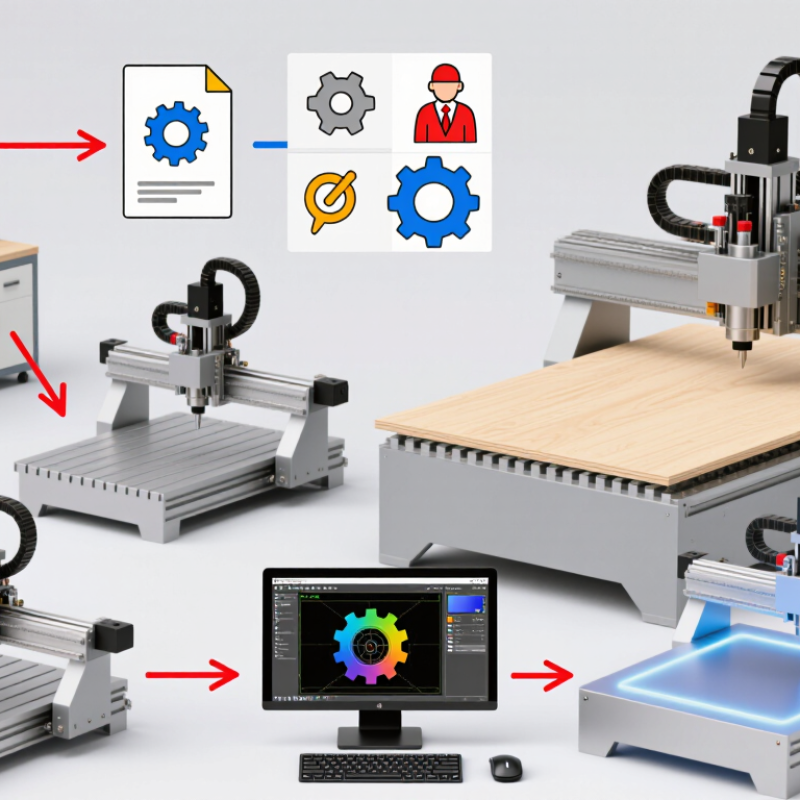
What a CNC Router Is and How It Works
A CNC router is a computer-controlled machine that cuts or engraves flat materials. It typically has a moving spindle, a cutting tool, and a bed that supports the workpiece. The spindle rotates the tool while motors move it along the X, Y, and Z axes. In simple terms, it follows programmed instructions to remove material. It does not shape a piece by guesswork.
The process starts with a digital drawing. CAM software turns that drawing into a toolpath: a set of movements, cutting depths, and speeds. The operator secures the sheet, fits the correct cutter, and checks the settings before starting. Then the machine follows the path, often making several shallow passes instead of one deep cut. A small cutter can produce fine lettering, but it may take longer. Details matter.
A useful example is a sign cut from plywood. The router can trace the lettering and clear away the surrounding surface, leaving raised text. The result depends on the design, cutter, material, and setup. A loose board can shift; an unsuitable speed can leave rough edges or burn marks. Dust extraction and eye and hearing protection are important, too. The software may look precise, but the finished cut still needs sensible checks. Beginners sometimes expect perfect results from the first file. That is not always realistic.
Best CNC Router UK 2026 Which One Should You Buy? - What a CNC Router Is and How It Works
A CNC router is a computer-controlled cutting machine. It moves a rotating cutting tool along programmed paths to cut, engrave, or shape sheet materials and some solid materials. The ranges below are typical examples, not specifications for a particular machine; actual capacity depends on the design and configuration.
| Router Type | Typical Working Area | Typical Spindle or Router Power | Common Materials | Best Suited To | What to Check Before Buying |
|---|---|---|---|---|---|
| Compact hobby router | About 300 × 180 mm to 600 × 400 mm | Roughly 100–800 W | Wood, plastics, engraving wax, and some non-ferrous metals with suitable tooling and conservative settings | Small signs, craft parts, nameplates, and learning CNC basics | Frame rigidity, workholding, software compatibility, and dust collection |
| Benchtop router | About 600 × 400 mm to 900 × 600 mm | Roughly 500 W–1.5 kW | Wood, plywood, MDF, plastics, and limited aluminium work when the machine is designed for it | Prototyping, furniture components, model-making, and small workshops | Available Z-axis travel, collet size, usable cutting area, and whether the table fits your workspace |
| Workshop-size router | About 900 × 600 mm to 1,300 × 900 mm | Roughly 1–3 kW | Solid wood, plywood, MDF, plastics, and selected non-ferrous metals subject to machine rigidity and tooling | Cabinet parts, larger panels, repeat workshop jobs, and small-batch production | Table flatness, gantry stiffness, spindle cooling, extraction, and electrical requirements |
| Full-sheet production router | Commonly around 2,440 × 1,220 mm for standard sheet work; other sizes are available | Often about 3–9 kW or more | Sheet goods, solid wood, plastics, and other materials specified by the machine manufacturer | Signmaking, cabinetry, nesting, and higher-throughput production | Floor space, material loading, vacuum hold-down, extraction, servicing, and power supply |
How a CNC Router Works
| Step | What Happens | Practical Consideration |
|---|---|---|
| 1. Create a design | A 2D drawing or 3D model defines the shape and dimensions of the part. | Check that the design software can export a file supported by the machine’s workflow. |
| 2. Generate toolpaths | CAM software selects cutting paths, tool movements, and cutting settings, then produces machine instructions such as G-code. | Tool choice, feed rate, cutting depth, and spindle speed depend on the material and cutter. |
| 3. Secure the workpiece | Clamps, a fixture, or a vacuum table hold the material in place. | The workpiece must be secure and clear of the cutter’s intended path. |
| 4. Set up and run | The operator fits the cutter, sets the work origin, checks the program, and starts the machine. | Use appropriate guarding, eye and hearing protection, and dust extraction. |
| 5. Cut and inspect | The controller moves the cutting tool along the programmed axes; the finished part is then checked and cleaned. | Stay near the machine during operation and stop it if the cutter, material, or machine behaves unexpectedly. |
Buying guide: Choose a machine by the largest part you expect to make, the materials you will cut, and the rigidity and support the job requires. For UK installations, confirm the machine’s stated electrical supply, plug or connection requirements, available space, extraction needs, and local service support before purchase. Do not assume that every router can safely cut metal.
Related Posts
-
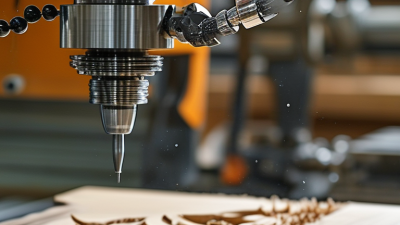
Top 10 Tips for Choosing the Right CNC Router for Your Needs?
-
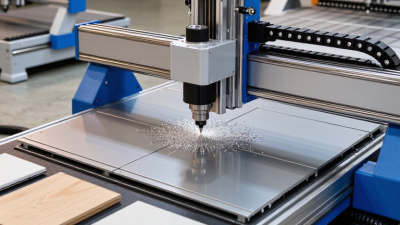
China Top 10 CNC Router Kit Manufacturers for Global Buyers
-
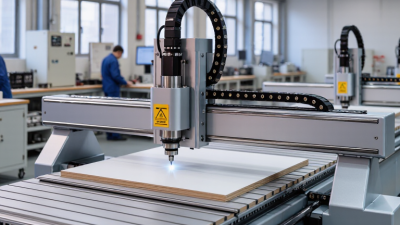
Top China CNC Router Manufacturers for Global Buyers
-
China Top 10 CNC Routers for Woodworking Which Is Best
-
What Is the Best CNC Wood Cutting Machine from China?
-
What Is a Woodworking CNC Machine?