

What Is a Woodworking CNC Machine?
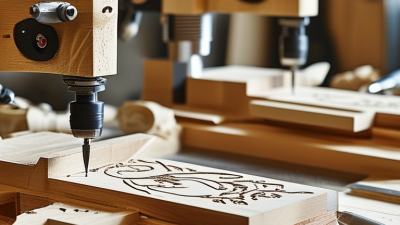
A woodworking CNC machine is a computer-controlled tool that cuts, drills, or carves wood according to a digital design. CNC means computer numerical control. Instead of guiding every cut by hand, an operator prepares a toolpath that tells the machine where to move and how fast to work. Many woodworking CNC machines are routers, with a motor-driven bit mounted on a moving gantry. The setup may also include design software, a controller, clamps, and dust collection. That sounds simple. The results depend on each part working together.
On a cabinet panel, a CNC router can repeat holes and grooves with consistent spacing. It can also carve lettering, shape furniture parts, or cut intricate patterns that would take longer by hand. Accuracy is not automatic, though. A loose workpiece, worn bit, incorrect toolpath, or unsuitable feed rate can spoil a cut or create a safety risk. Material matters, too: solid wood, plywood, and MDF respond differently, so test cuts are useful before committing to a full sheet. Still, automation is not the same as judgment. Operators must check designs, secure stock, use appropriate protection, and monitor the machine. This guide explains the main components, how a woodworking CNC machine works, common uses, and what to consider before choosing one. It also looks at practical limits, because machine size, software skills, maintenance, and budget can shape what is realistic in a home shop or professional workshop.
What a Woodworking CNC Machine Is
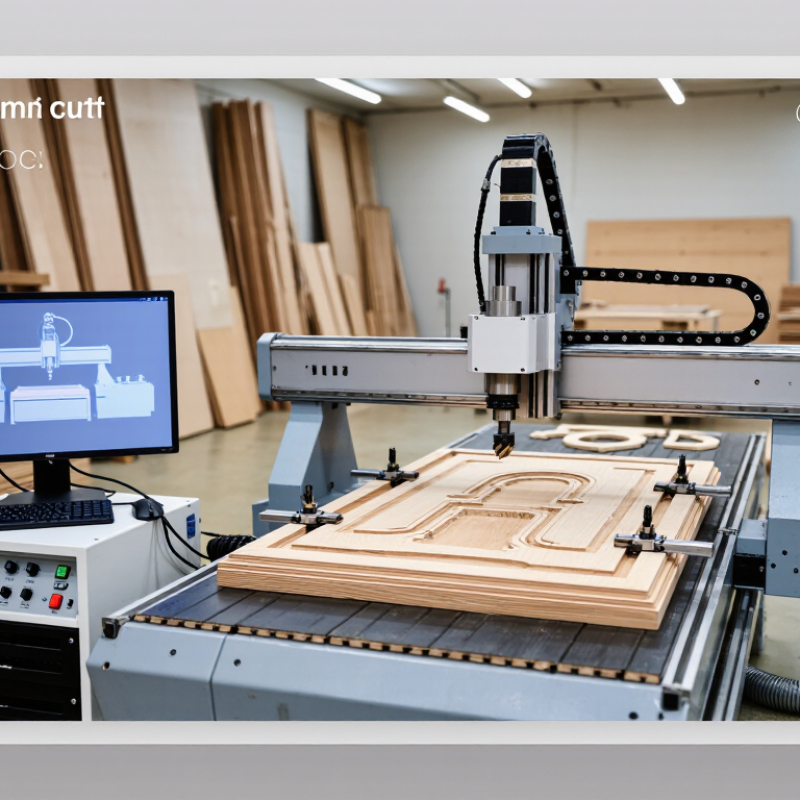
A woodworking CNC machine is a computer-controlled tool that cuts, drills, or carves wood from a digital design. A router-style spindle follows programmed paths across a workpiece, while clamps or a vacuum table hold the material still. The design becomes a toolpath: a set of coordinates, cutting depths, and movement instructions. That is the core idea. It is not simply a faster hand router; the machine repeats the same programmed movement, but the result still depends on tool choice, setup, and material.
Wood behaves less predictably than the screen suggests. The USDA Forest Products Laboratory’s Wood Handbook (2021, FPL-GTR-282) describes wood’s fiber saturation point as generally near 30% moisture content; below it, changing moisture can cause shrinkage or swelling. That can shift a carefully planned fit. A cabinet panel may emerge cleanly, yet a dull bit can leave fuzzy edges, and poor workholding can spoil a cut. Small details matter. Operators check stock flatness, grain direction, and cutter condition before running a job. One limitation is easy to overlook: a CNC machine follows instructions faithfully, even when the instructions are wrong.
The Main Components and Their Functions
What Is a Woodworking CNC Machine?
The Main Components and Their Functions
A woodworking CNC machine uses computer instructions to move a cutting tool through wood. Its frame supports the moving parts and helps limit vibration. The gantry carries the spindle across the work area, while the machine’s axes guide movement in different directions. That movement matters. The spindle rotates the bit, and the bit’s shape determines whether it cuts a groove, drills a hole, or trims an edge. Small detail, big effect. The worktable holds the material in place, often with clamps or a vacuum system. If a panel shifts during cutting, even a sound toolpath can produce a poor result.
The controller reads the programmed toolpath and sends commands to drive motors, which move the axes. Limit switches help define travel boundaries, while other sensors may monitor position or machine conditions. Dust collection removes chips from the cutting area and helps keep the workpiece visible. It also makes the workspace easier to maintain. A practical setup depends on more than cutting speed: the bit must be suitable, the material must be secured, and the machine must be calibrated. It is easy to focus on the spindle and overlook these basics. That can be a costly oversight.
What Is a Woodworking CNC Machine? — The Main Components and Their Functions
| Component | What It Is | Main Function | Why It Matters in Woodworking |
|---|---|---|---|
| Machine frame and base | The structural body that supports the machine’s moving parts and work surface. | Provides rigidity and helps keep the axes aligned during cutting. | A rigid structure helps reduce vibration, which can affect cut quality and dimensional accuracy. |
| Worktable or spoilboard | The surface on which the wood or sheet material is placed. A spoilboard is a replaceable layer that can be cut into slightly. | Supports the workpiece and provides a surface for clamping or vacuum workholding. | A flat, properly secured workpiece is less likely to shift during machining. |
| Gantry and spindle carriage | The bridge-like assembly that travels across the machine, with a carriage that holds the cutting unit. | Moves the cutting tool across the work area along one or more axes. | Its travel range determines which parts of the material can be reached. |
| Linear guides and bearings | Rails, bearings, or other guiding elements fitted to the machine axes. | Guide moving assemblies along straight, controlled paths. | Properly maintained guides support smooth movement and help limit unwanted play. |
| Drive system | Motors and mechanical transmission components, such as lead screws, ball screws, or rack-and-pinion drives. | Convert motion commands into movement along the machine axes. | The drive system affects travel, positioning, and the machine’s ability to follow programmed toolpaths. |
| Spindle | A powered rotating unit that holds and turns the cutting tool. | Provides the rotation needed for routing, drilling, and other cutting operations. | Tool type, spindle speed, and feed rate must suit the material and operation to help prevent burning or poor cuts. |
| Collet and cutting tool | The collet grips a cutter in the spindle; the cutter may be an end mill, router bit, drill, or another suitable tool. | Transfers spindle rotation to the cutting edge that removes material. | A clean, undamaged, correctly sized tool helps produce the intended profile and surface finish. |
| CNC controller and control software | The control hardware and software that interpret machining instructions, commonly generated from a CAD/CAM workflow. | Coordinate axis movement, spindle commands, and other programmed operations. | It translates a digital design into machine actions; toolpaths and setup should be checked before cutting. |
| Workholding system | Clamps, screws, fixtures, or a vacuum system used to secure the material. | Holds the workpiece in position while the tool cuts. | Secure workholding helps reduce movement, inaccurate cuts, and the risk of a workpiece being displaced. |
| Dust collection and extraction | A dust shoe or hood connected to an extraction system. | Captures chips and airborne dust near the cutting area. | Effective extraction improves visibility and housekeeping; it does not replace appropriate respiratory and fire-safety measures. |
| Limit and homing switches | Sensors positioned to detect axis reference points or travel limits. | Help the controller establish machine position and prevent travel beyond configured boundaries. | Correct setup supports repeatable positioning and helps avoid unintended overtravel. |
| Safety devices and enclosure | Physical guards, emergency-stop controls, and other protective measures, depending on machine design. | Help reduce exposure to moving parts, flying chips, and other operational hazards. | Operators should follow the machine’s safety instructions and use suitable eye, hearing, and dust protection. |
How a CNC Machine Turns Designs into Woodwork
What Is a Woodworking CNC Machine?
How a CNC Machine Turns Designs into Woodwork
A woodworking CNC machine follows digital instructions to move a cutter across a secured board. The process begins with a design, then CAM software converts its lines, pockets, and holes into toolpaths. The operator sets the stock dimensions, cutter, feed rate, and cutting depth. Clamps or a vacuum bed hold the panel while the spindle follows those paths. A cabinet door might receive a routed profile, hinge holes, and an outer cut in one setup. Small details matter. The machine repeats coordinates, but it cannot judge grain direction or spot a flawed measurement.
Software makes the process repeatable, not foolproof. The 2022 Deloitte and MAPI Smart Manufacturing Survey found that 86% of manufacturing executives expected smart factory initiatives to drive competitiveness within five years. This finding covers manufacturing broadly, not woodworking alone. Still, it shows why shops invest in connected, consistent production. A toolpath preview can look convincing while hiding a clamp in the cutter’s path. That is worth checking twice. Plywood can splinter, and a dull bit may leave scorch marks, even when the design file is correct.
Tips: Secure the board, confirm the zero point, and make a shallow test cut in scrap. Check tool clearance and dust extraction before starting. Record settings, but don’t assume one feed rate suits every wood species.
Materials and Tasks a Woodworking CNC Can Handle
A woodworking CNC machine cuts and shapes sheet goods or solid timber by following digital toolpaths. Common materials include plywood, MDF, particleboard, and hardwoods such as maple or oak. Each behaves differently. Plywood edges can splinter, while dense hardwood may need slower passes and sharp bits. MDF cuts evenly but creates fine dust, so extraction matters.
These machines can cut cabinet parts, shelves, sign blanks, and furniture components. They also rout pockets for hinges, drill repeatable shelf-pin holes, engrave lettering, and form grooves or simple joints. A shallow test pass helps reveal whether a design’s dimensions and cut depth are right. That small check saves material. It is easy to underestimate how much a dull bit changes the edge.
A CNC can also carve relief patterns or nest several parts on one panel to reduce waste. Results depend on the machine’s rigidity, workholding, cutter, and settings—not just the drawing. Thin stock may lift if it is poorly secured; delicate details can burn or break. Even familiar wood can vary in grain and moisture. I would treat recommended speeds as starting points, then inspect a sample cut before committing to a full sheet.
Common Types of Woodworking CNC Machines
What Is a Woodworking CNC Machine?
Common Types of Woodworking CNC Machines
A woodworking CNC machine follows programmed instructions to cut, drill, or shape wood and sheet materials. Different machine designs suit different jobs. A CNC router is a common choice for cabinets, signs, and furniture parts. Its gantry moves a spinning cutter across a fixed work surface, often cutting plywood sheets or carving shallow details. Check the machine’s working area and spindle power against the materials and cutter sizes you plan to use.
A CNC nesting machine is built to cut many cabinet components from large panels. It can arrange parts efficiently, though setup and material handling still matter. CNC mills are generally more rigid and useful for precise, smaller parts or heavier cuts. For turned objects such as table legs, a CNC wood lathe rotates the stock while a tool shapes it. Some machines add a rotary axis for carving columns or curved furniture parts. That extra motion is useful, but it can take time to program well.
Five-axis CNC machines can tilt or rotate the cutting tool, reaching complex surfaces with fewer repositioning steps. They are often used for sculpted furniture and detailed components, but they require careful toolpath planning. Dust collection, secure workholding, and the right cutter affect results as much as machine type. A small test cut helps reveal problems early. I’ve found that even a promising setup can leave rough edges when the feed rate or cutter choice is off.
Related Posts
-
Why Choose a CNC Wood Carving Machine?
-
10 Tips to Choose the Best Wood CNC Machine?
-
China Top 10 CNC Router Kit Manufacturers for Global Buyers
-
Top China CNC Router Manufacturers for Global Buyers
-
China Top 10 CNC Routers for Woodworking Which Is Best
-
What Is the Best CNC Wood Cutting Machine from China?

Siemensstraße 13-15
47608 Geldern
NRW Deutschland
Mail: sale@atmmachinesolutions.com
Head office:
+49 (0) 2831 91021-20
Fax:
+49 (0) 2831 91021-99
SUPPORT and INFO
from 3 p.m. to 6 p.m:
+49 (0) 2831 91021-60
( please ring for a long time )
Monday to Friday
8.00 – 12.30
and 13.00 – 15.00
Visit / collection by appointment only!
➣ Sign up for our newsletter
Benefit from a 20% discount, don’t miss any events and always stay up to date.
To access the actual content, click on the button below. Please note that data will be passed on to third-party providers.
More information